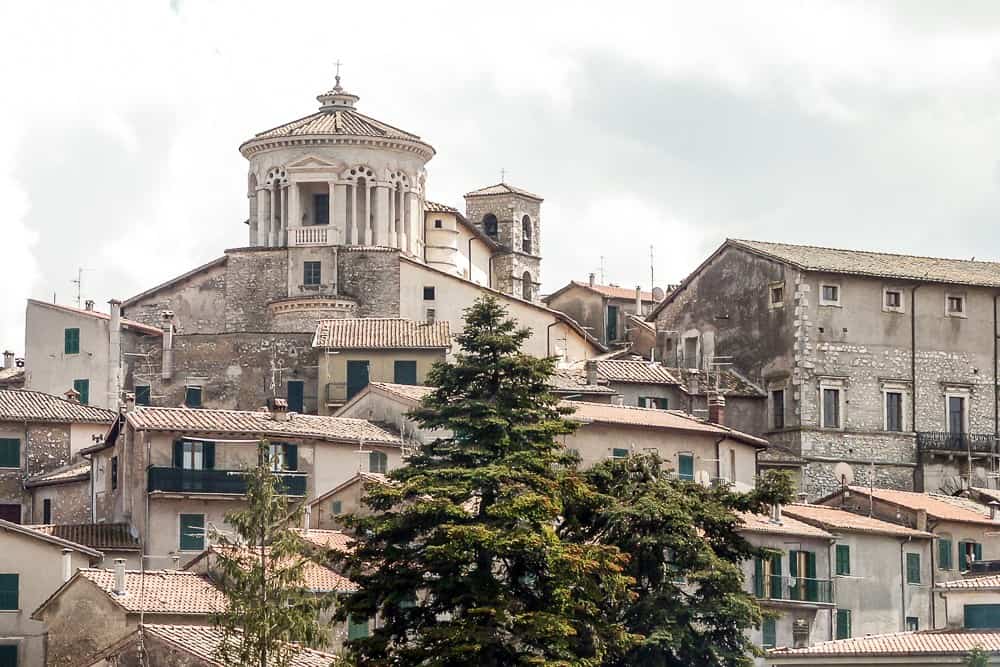
56. Mosciarella of Capranica Prenestina
History
The first historical sources on the Prenestina chestnut date back to Cato's 'De Agri Cultura' (160 BC). In this area, the chestnut played a fundamental role in feeding the population to such an extent that a legend has it that, during the long siege of Silla, it was the Prenestini people's only source of survival.
An important boost to chestnut cultivation was recorded in the Middle Ages thanks to Matilda of Canossa. In the statutes of the municipality, drawn up before 1200, the use of chestnut groves was scrupulously regulated, both for the production of the fruit and for wood, and penalties were provided for those responsible for damage or theft.
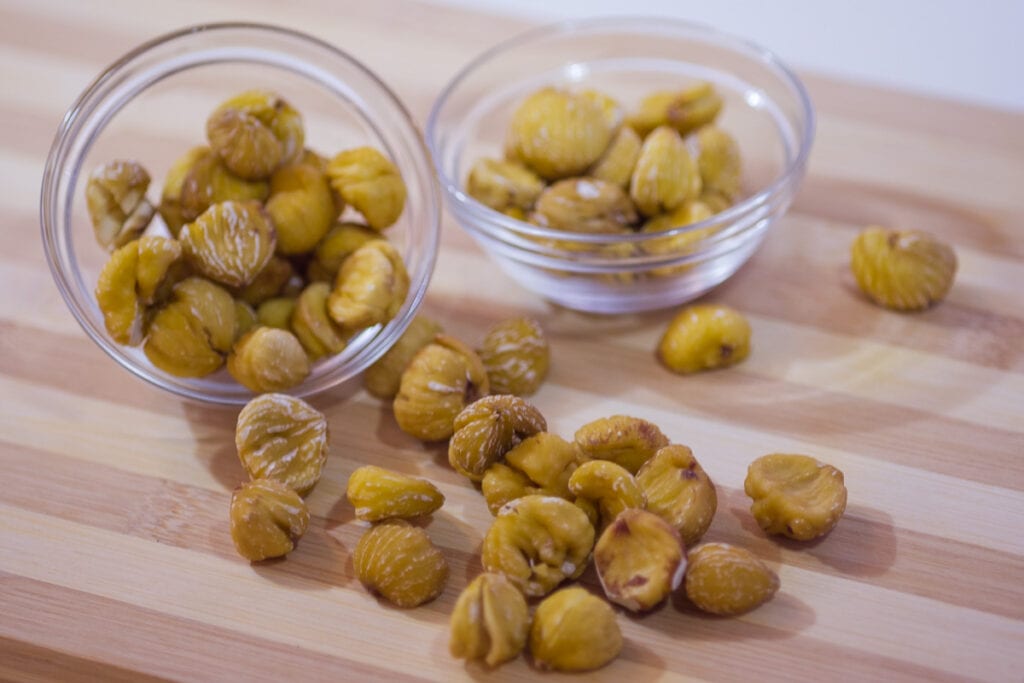
The Prenestina chestnut is characterised by its small, elongated fruit, thin, easily peeled skin and sweet flavour. For storage, the chestnuts are first dried in so-called 'casette' and then smoked for a month.
In the local tradition, they are eaten boiled in water or milk or in legume or pork soups to which they lend a delicate sweetness and a slight smoky note. Mosciarella is also ground to obtain a flour to be used in the preparation of cakes and various types of pasta.
The product
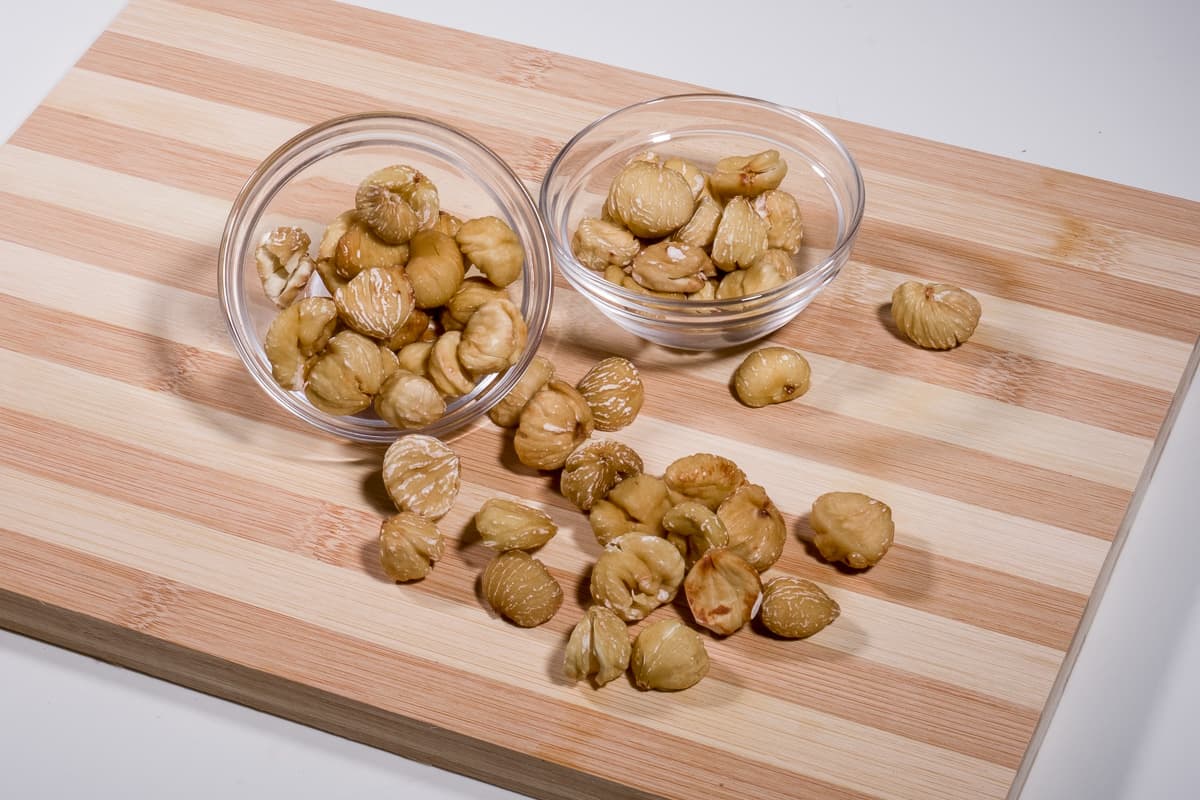
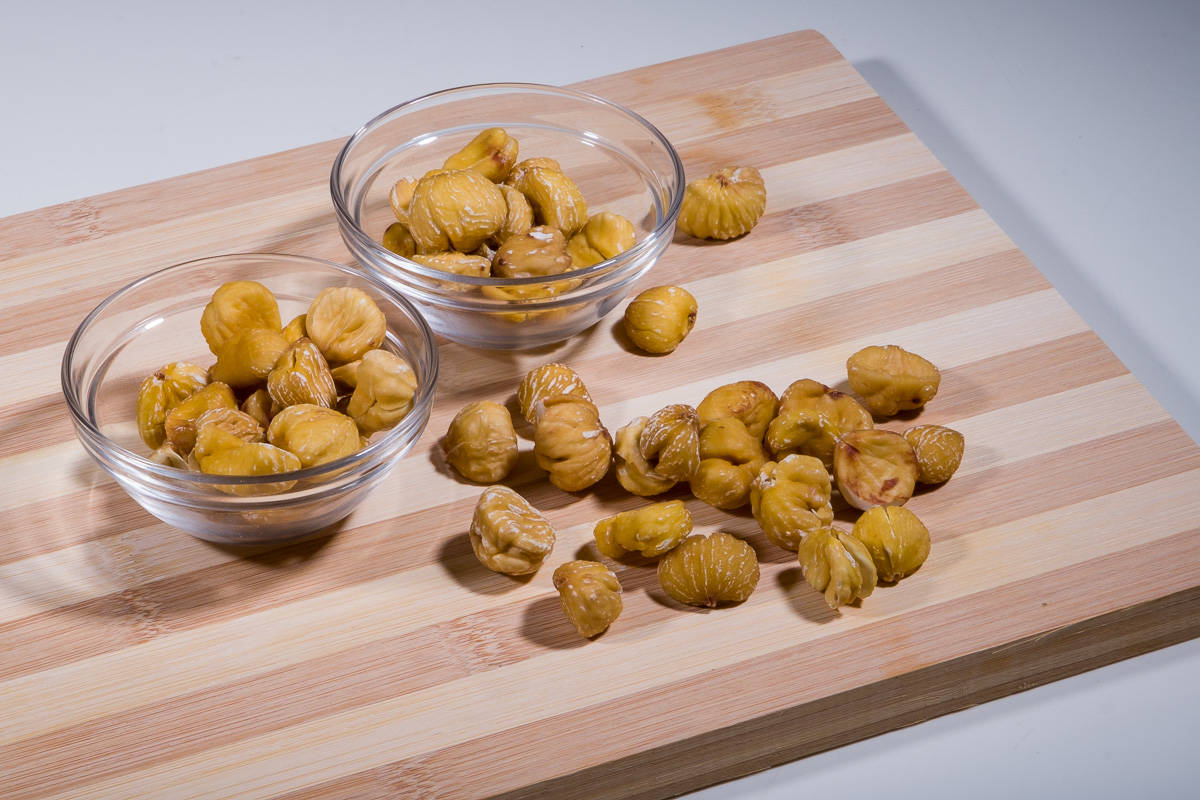
The Mosciarella, characterised by its elongated shape with a slightly pointed apex, has a light beige colour and an intense aroma of chestnut with a light smoky note. It is sweet to the taste. Medium chewiness and aromatic persistence.