
46. Stringozzi Talocciani of Fara in Sabina
History
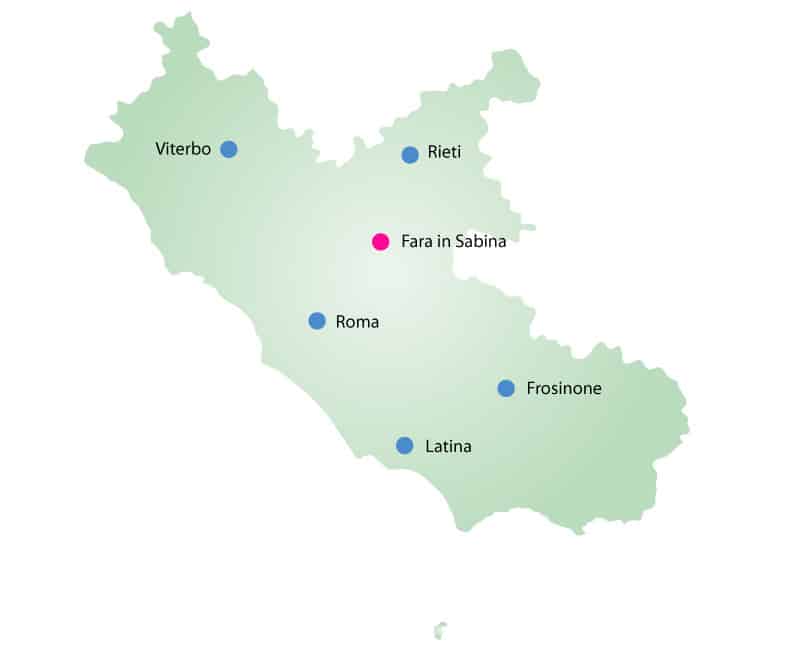
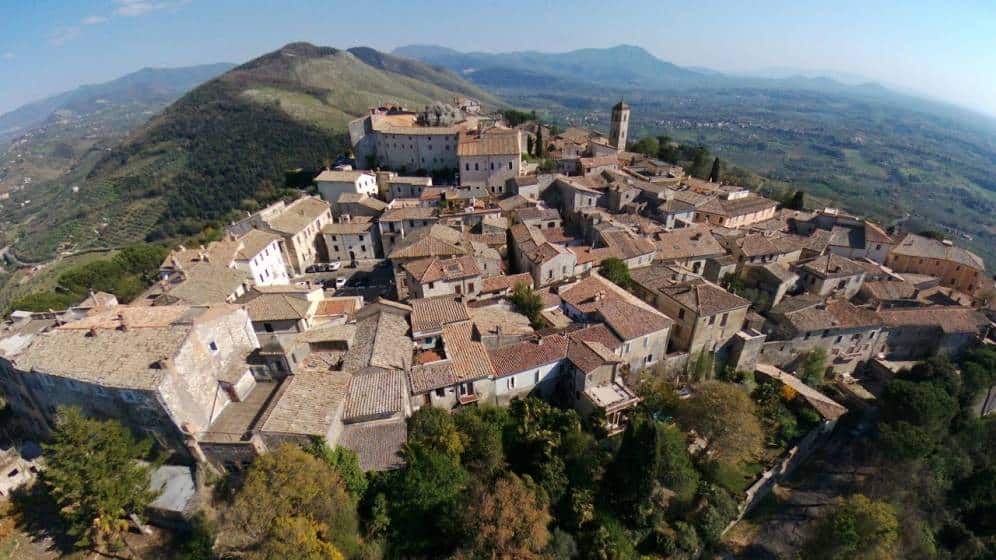
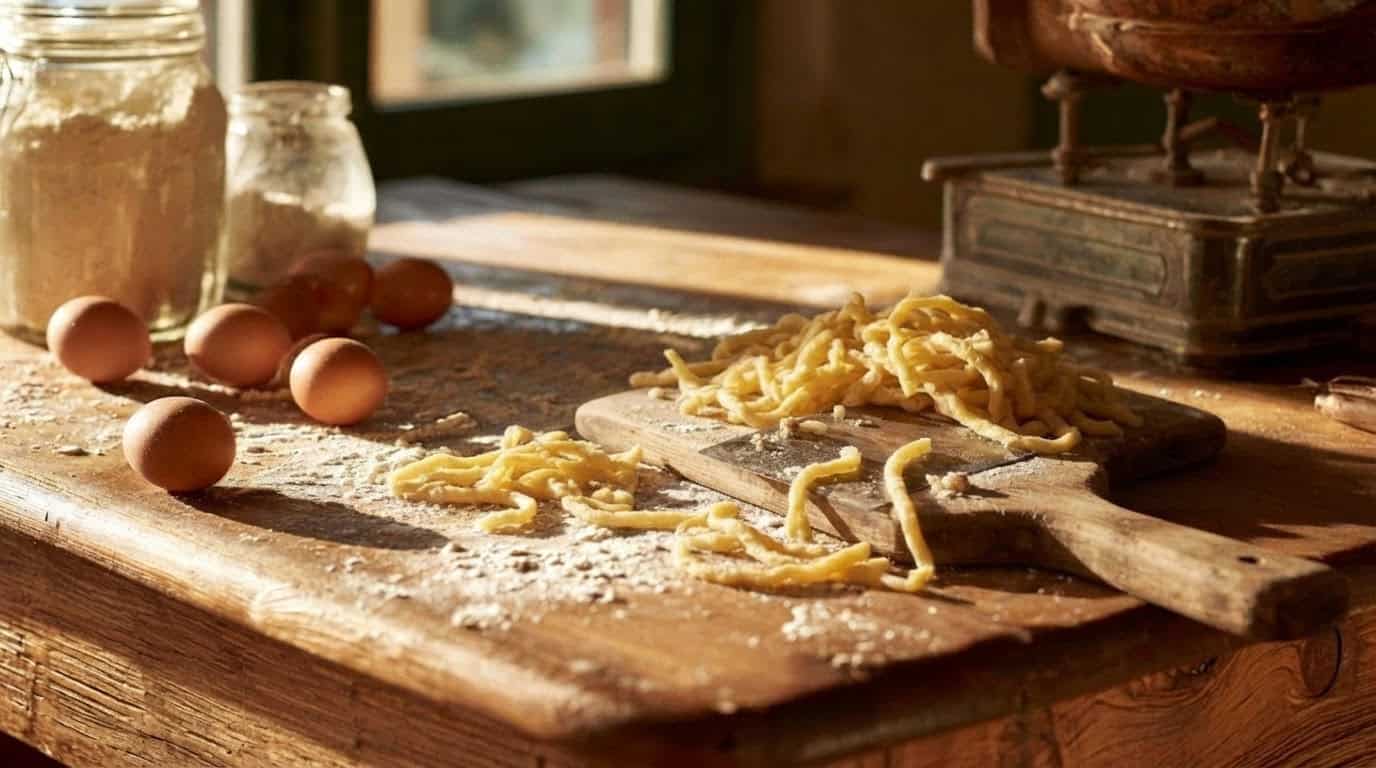
Talocciano stringozzo is the traditional fresh pasta typical of Talocci, a hamlet of Fara in Sabina, a historical village of medieval origins perched on the Buzio Hill, located between the Sabine Mountains and the Tiber Valley, in the province of Rieti and known for housing the monumental Farfa Abbey in its territory. Its recipe was created thirty-two years ago by a group of friends in their thirties, members of the Proloco Talocci who, after various attempts, found the perfect recipe for this kind of square-shaped spaghetti and did their best to organise the first festival in Talocci, entirely dedicated to it. Its recipe is made with simple ingredients such as water, wheat flour, extra virgin olive oil and eggs. The resulting dough is drawn in bronze directly into boiling salted water, using a special press conceived and designed by the Protalocci Association itself. The result is a pasta shape that is characterised by its square cut, reminiscent of the leather laces that were once used as shoelaces, which may be where the name comes from. After a very short cooking time of only one or two minutes, the pasta is drained and then seasoned with a typical, long-processed ragout made from local products, i.e. tomato, guanciale (pork cheek) and mixed meat. The dish should be eaten hot, adding parmesan or pecorino cheese to taste. Still today, after many years, the Sagra degli Stringozzi (Stringozzi Festival) is held in Talocci in the first week of July where this traditional first course can be enjoyed.
The product
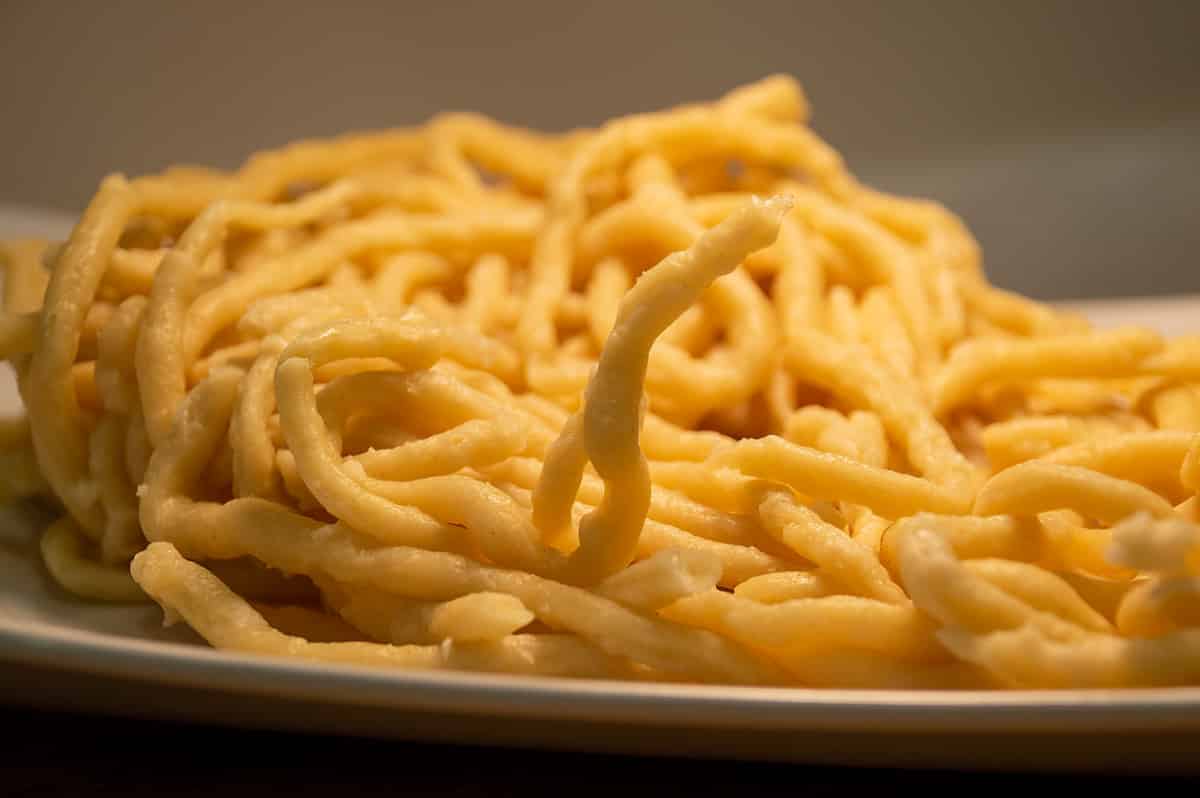
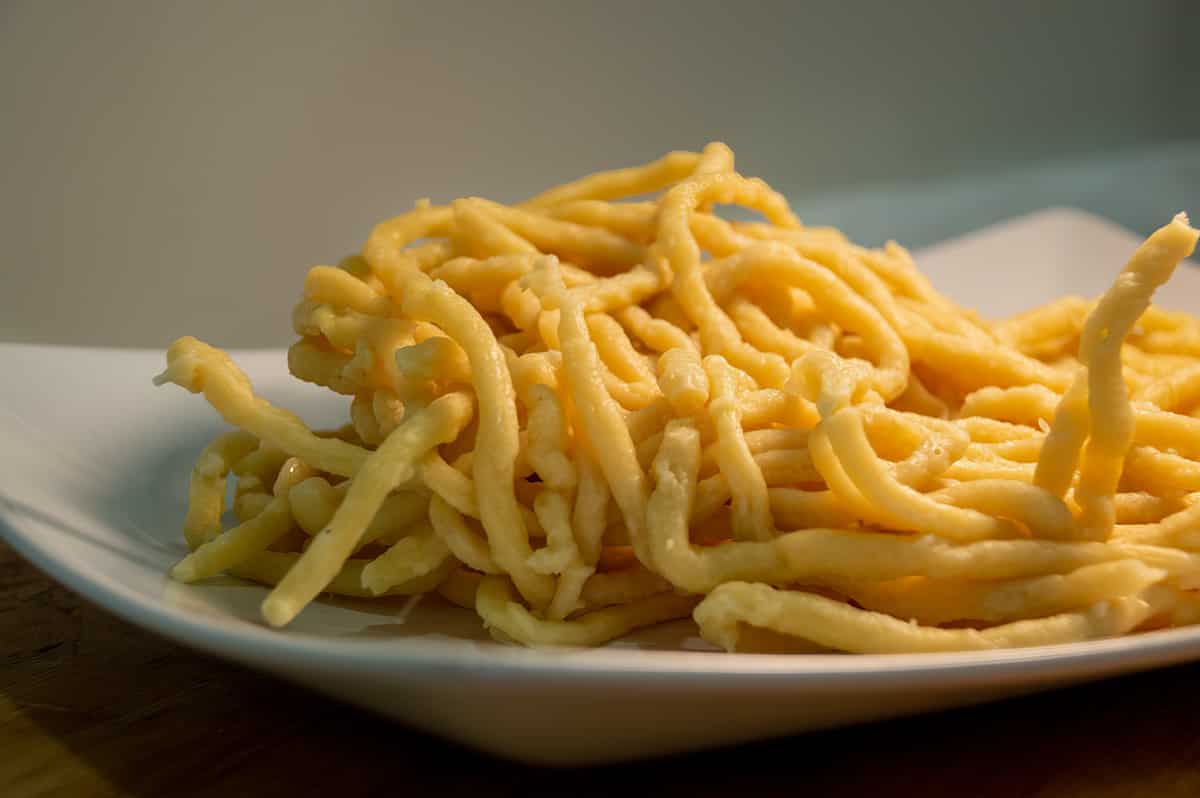
Stringozzo Talocciano has a medium intense and homogeneous straw yellow colour and is characterised by high integrity after cooking. Its high olfactory intensity is characterised by notes of cereals, flour and egg. The taste is harmoniously sweet with a slight salty note. Good consistency and elasticity.
THE ABBEY OF FARFA... A MONASTIC JEWEL IN SABINA
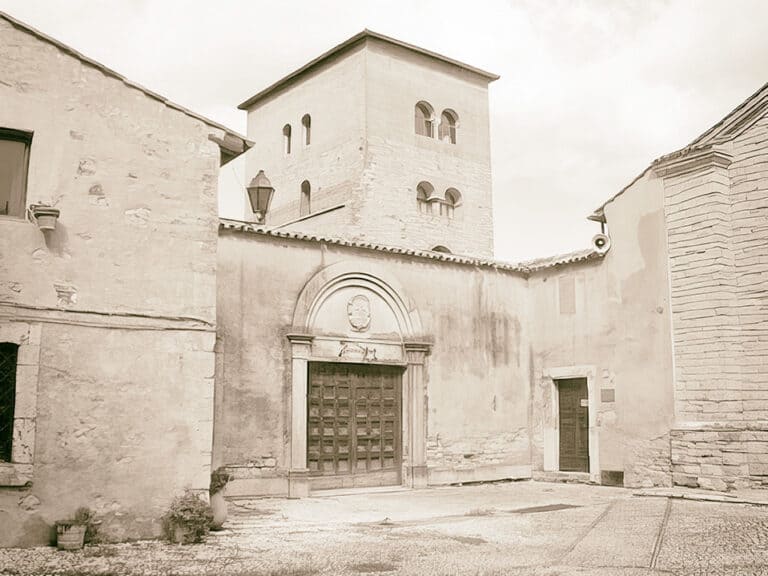
Nestled amidst the green Sabine olive groves, a few kilometres from Fara in Sabina, stands the monastic complex of the Abbey of Santa Maria di Farfa, founded in the 6th century and still today enveloped in an atmosphere of great peace and spirituality. Destroyed by the Lombards and rebuilt in 680, the Abbey soon became one of the major religious and political centres of the Middle Ages. Emperor Charlemagne also stayed there during his journey to Rome, which granted him autonomy from all civil and religious powers. It was precisely this privilege that allowed the Abbey to enrich itself with new possessions, becoming one of the most important and powerful in central Italy as well as the seat, with the Cluniac reform, of an important scriptorium. A fortified wall, accessed through a beautiful Romanesque portal with Gothic additions dating back to 1210, encloses the small medieval village that still preserves intact the cobbled streets and original houses. The Abbey is entered through a Gothic portal, above which is a fresco by Cola dell'Amatrice from 1508. The interior, with three naves divided by the original 12th-century Ionic columns, retains a coffered ceiling, while the ceiling of the transept and apse are decorated with unusual grotesques by Zuccari. Below the high altar, the original masonry of the primitive church can be seen. Finally, the beautiful Romanesque bell tower preserves 9th-10th century frescoes in its base.