44. Pizza Pe Tera of Labico
History
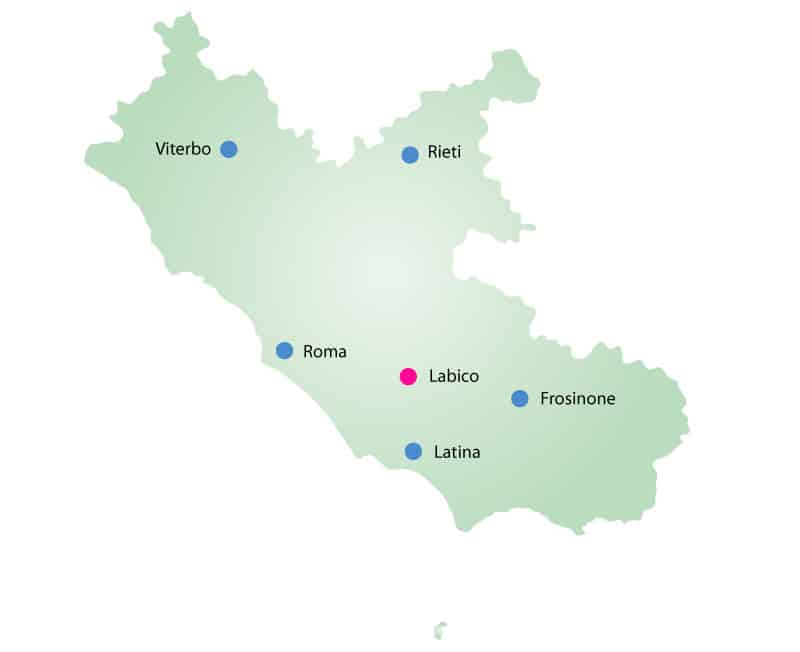
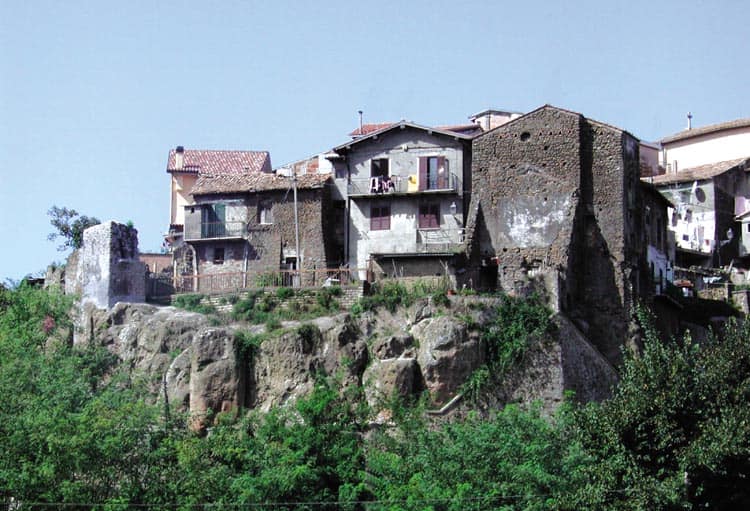
Pizza Pe Tera' is a gastronomic excellence of the municipality of Labico, a town with an ancient history belonging to the Prenestina Area and the Lepini Mountains. It is a baked product traditionally prepared during the Easter period. The long and elaborate procedure requires simple ingredients such as 00 wheat flour, sugar, milk and seed oil (or margarine), yeast, eggs, aniseed, liqueur and salt. The first stage involves the preparation of a dough called 'lazza' in dialect, made with only flour, brewer's yeast and water and left to rise for a couple of days. Then more flour and yeast are added to the dough, followed by eggs, sugar, milk, oil, liqueur and aniseed. The dough is kneaded to form loaves, weighing between 800 grams and 1 kilo, which are again left to rise for about ten hours. After rising, the surface is brushed with beaten egg and the loaves are baked in the oven for about 35 minutes.
The name of this Easter speciality is linked to the fact that although it resembles a loaf of bread, its preparation is much more similar to pizza. The fact that it is placed directly on the oven, without the aid of baking tins, explains the use of the term 'pe tera'. This unique pizza, different from other Easter specialities, can be accompanied by sweet toppings such as chocolate, but Labico traditionally prefers it with the local coral salami.
The product
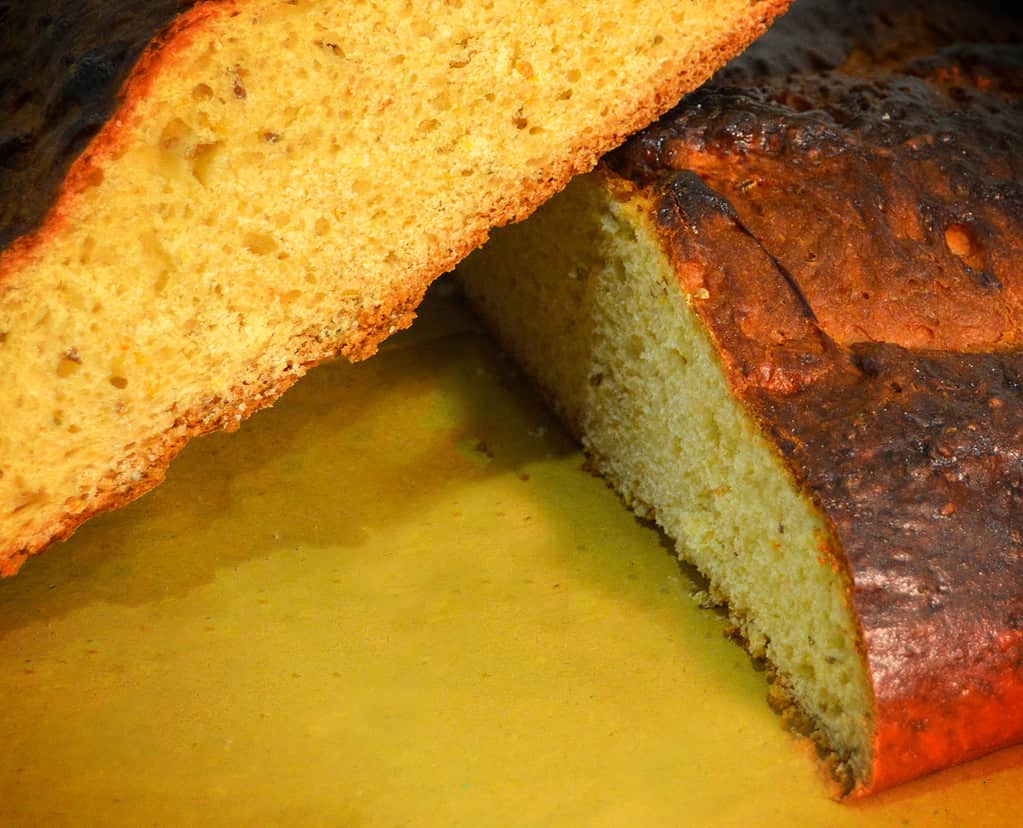
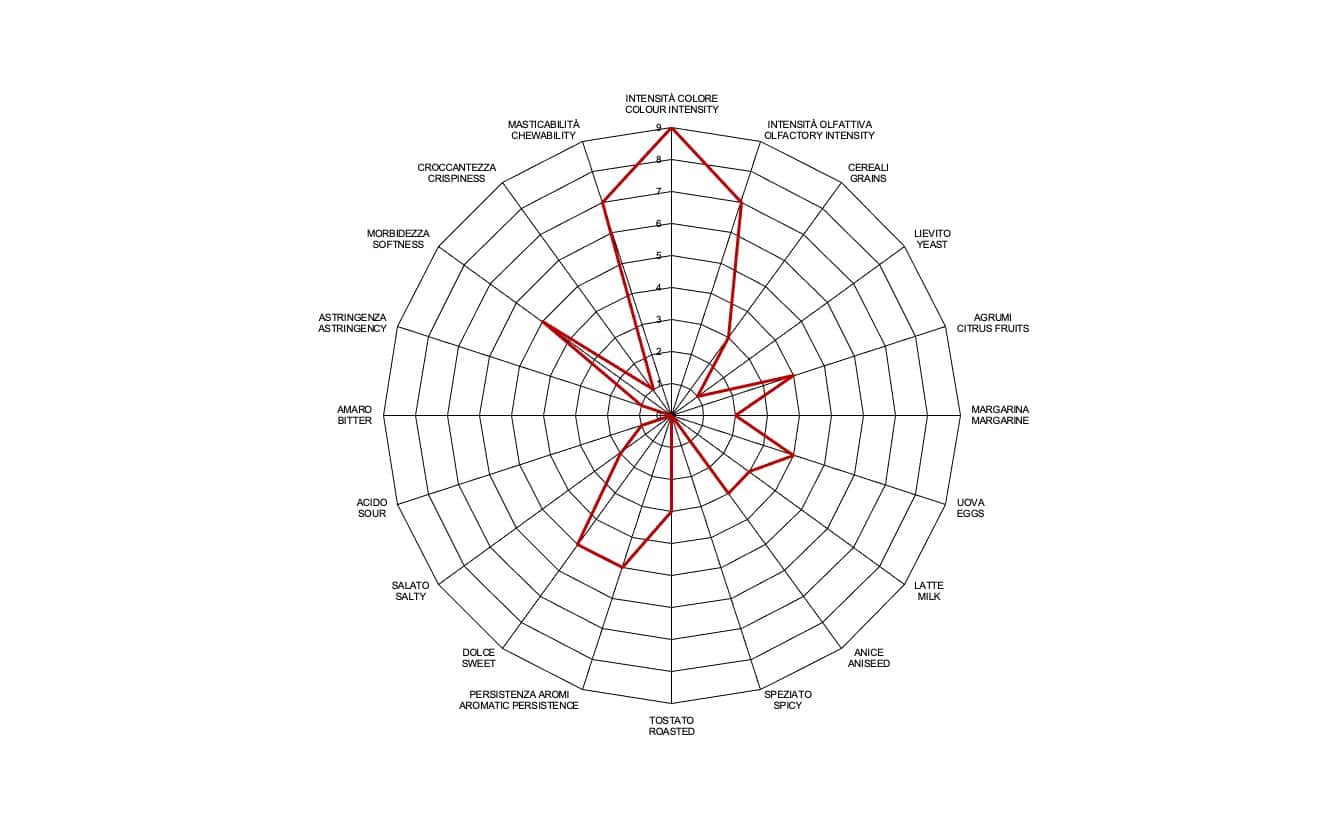
The Pizza Pe Tera from Labico, characterised by its loaf shape, has a very dark brown colour. Its high olfactory intensity is characterised by pronounced notes of citrus fruits, eggs, milk, aniseed and margarine, combined with hints of flour and yeast. The taste is sweet with a slight salty note. The texture is soft with a medium aromatic persistence.
THE PATH OF THE LABICO SPRINGS
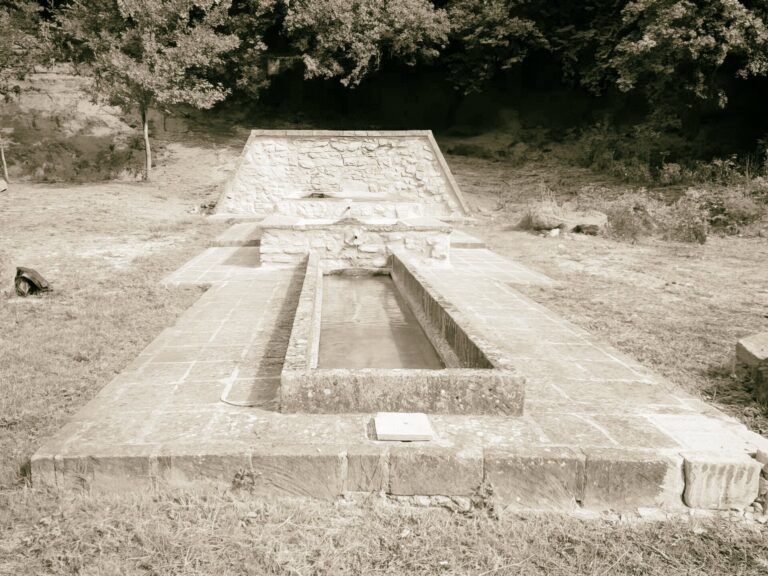
In the Labico area, it is possible to walk a beautiful route of about 5 km that winds through hazelnut groves, chestnut and hornbeam forests along the Valle delle Canepine (named after the hemp that was cultivated and processed in this area until about 1930). The route is called 'Percorso delle Fonti' (Sources Route) because it allows visitors to visit all the historical and architectural evidence (such as Roman tunnels, bridges, fountains and springs) related to the area's water supply.
The first fountain, called the 'Pantano', can be seen near the railway station; at the 'Forma' fountain, the remains of a bridge made of 'opus quadratum' blocks dating back to the Republican era have been discovered. After the 'Costa dei Casali' springs and the 'Fontana delle Brocche', one reaches the 'Fontana dei "Vignani"', with a round basin, now buried, used in the past for macerating hemp. Also at the 'Fontana di Centogocce', on the way back to the village, there is a basin used for processing hemp. Near the Lavatoio then, still working thanks to the waters coming from a Roman burrow, the fountain of the 'Bottino' can be seen, and again, going up along Via della Fontana, the complex of the 'Arnari'. Finally, before Piazza della Libertà, along what must have been the route of the ancient Via Casilina, there is a medieval basin, probably used as a public fountain.