43. Pecorino di Roiate
History
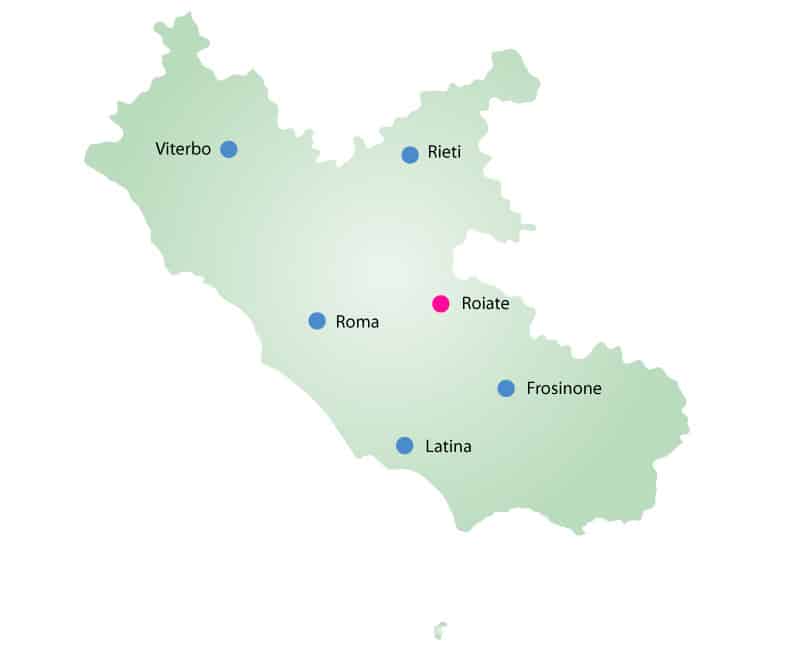
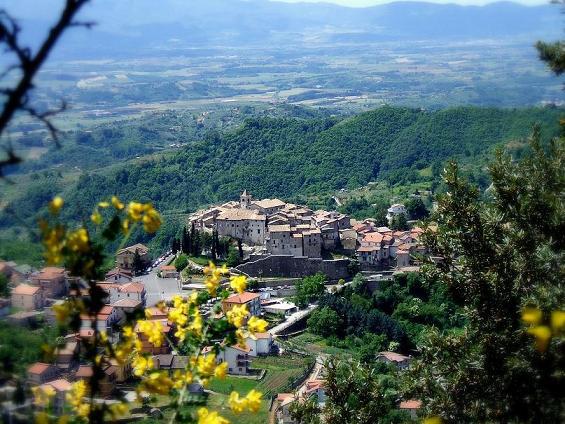
Pecorino Roiatese is a cheese made from whole sheep's milk from farms located in the municipality of Roiate, a small town perched on a beautiful tuff hill in the Monti Ernici, in the province of Rome. In the mountains of Roiate, at an altitude ranging from 750 to 1000 metres above sea level, with a centuries-old history of sheep-farming, Comisana breed sheep are reared in wild pasture. Equally centuries-old is the cheese-making tradition whose production techniques have been handed down orally from father to son and carried on today with a spirit of enterprise by the new generations. The production of this cheese involves heating the milk and coagulating it with lamb rennet. This is followed by the breaking of the curd, followed by semi-cooking in the case of prolonged ripening and the placing of the cheese in small moulds. After the stewing phase, to facilitate the draining of the whey, the cheese is salted. Roiatese cheese is then matured in the sandstone caves excavated inside the historic cellars in the ancient village. The flavour changes according to the seasoning: delicate for the first salt, more intense for the seasoned pecorino.
The product
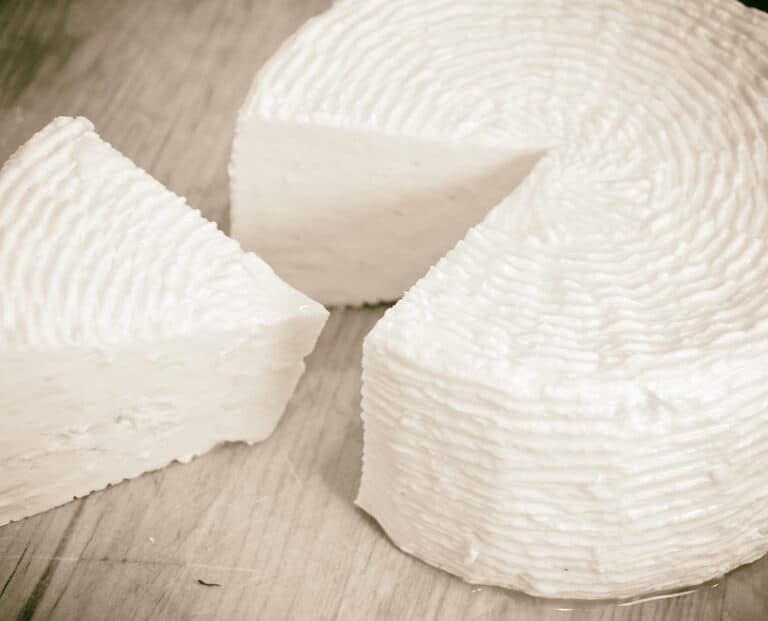
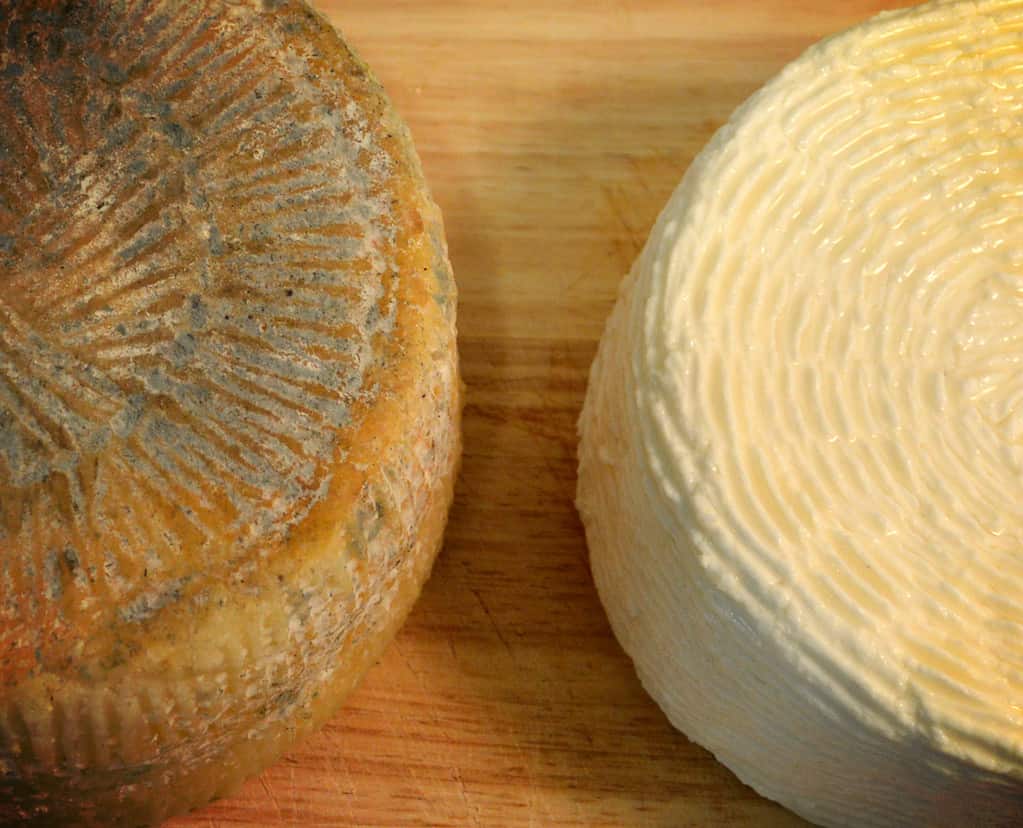
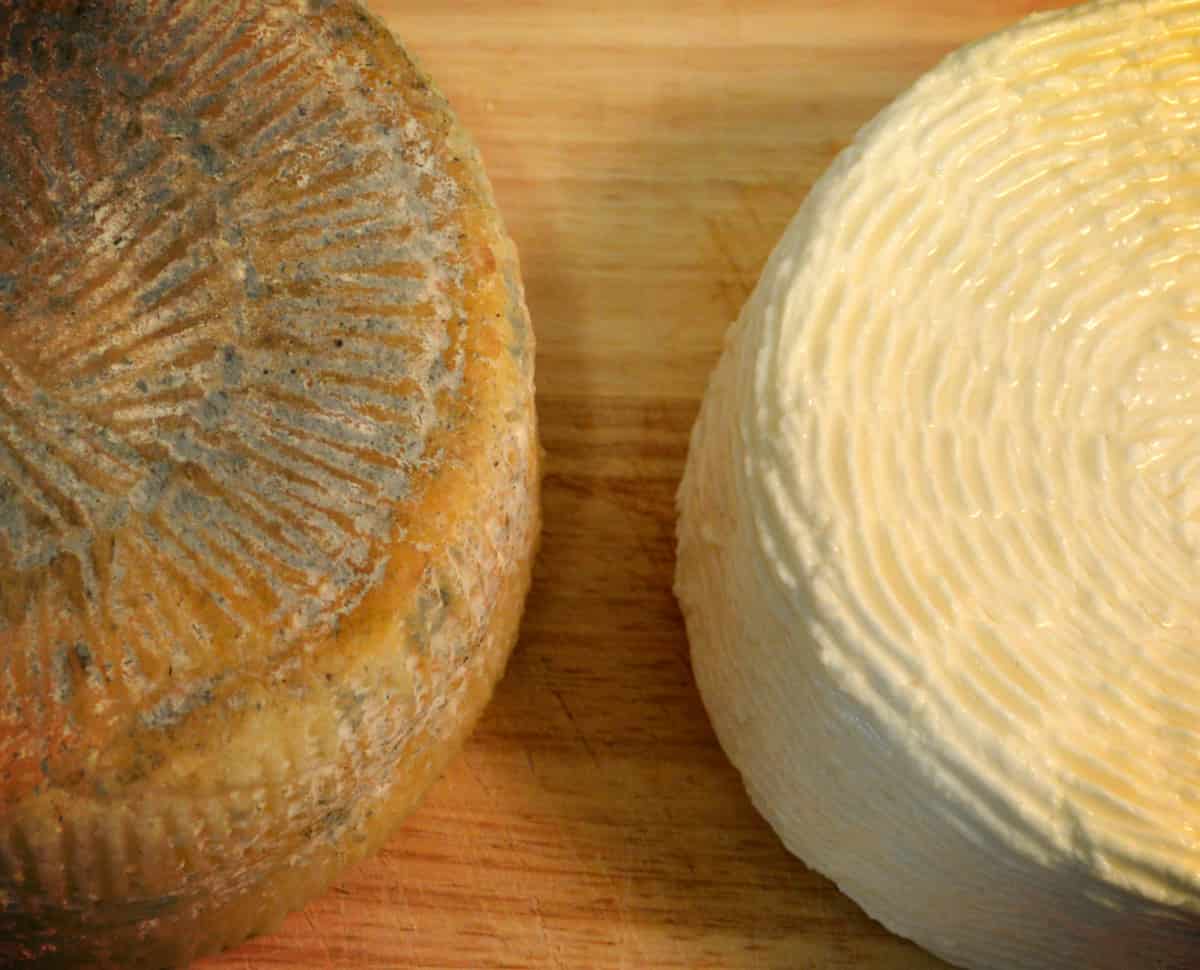
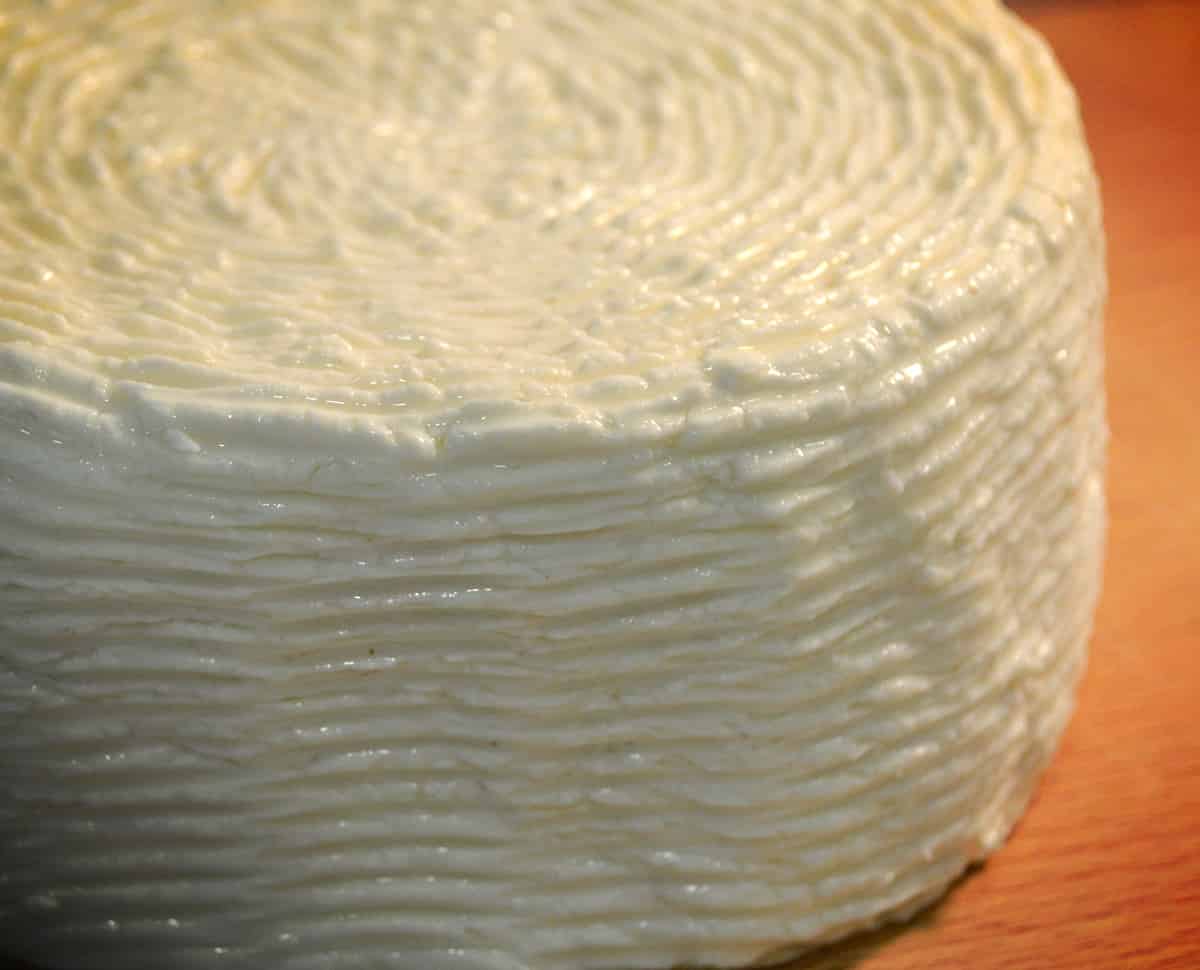
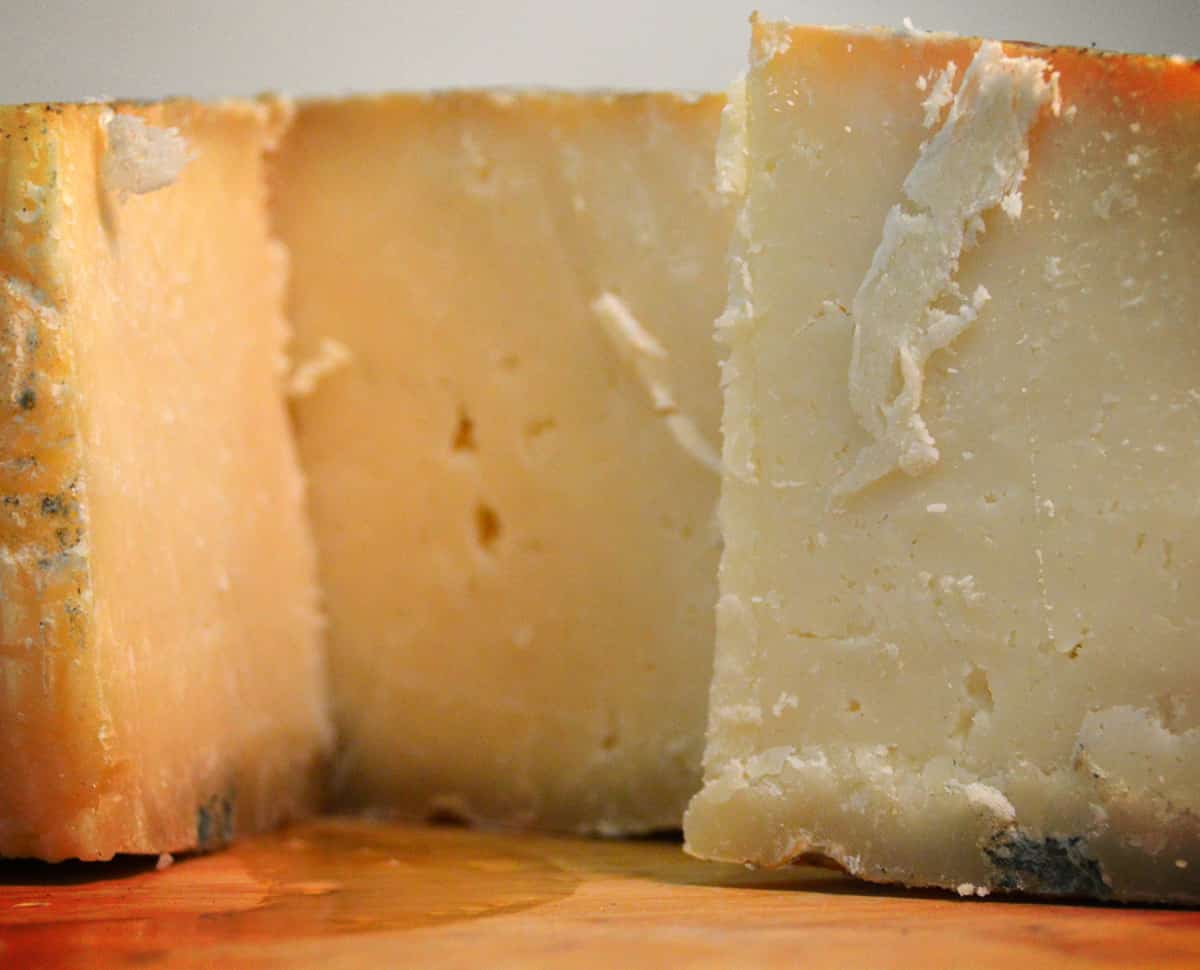
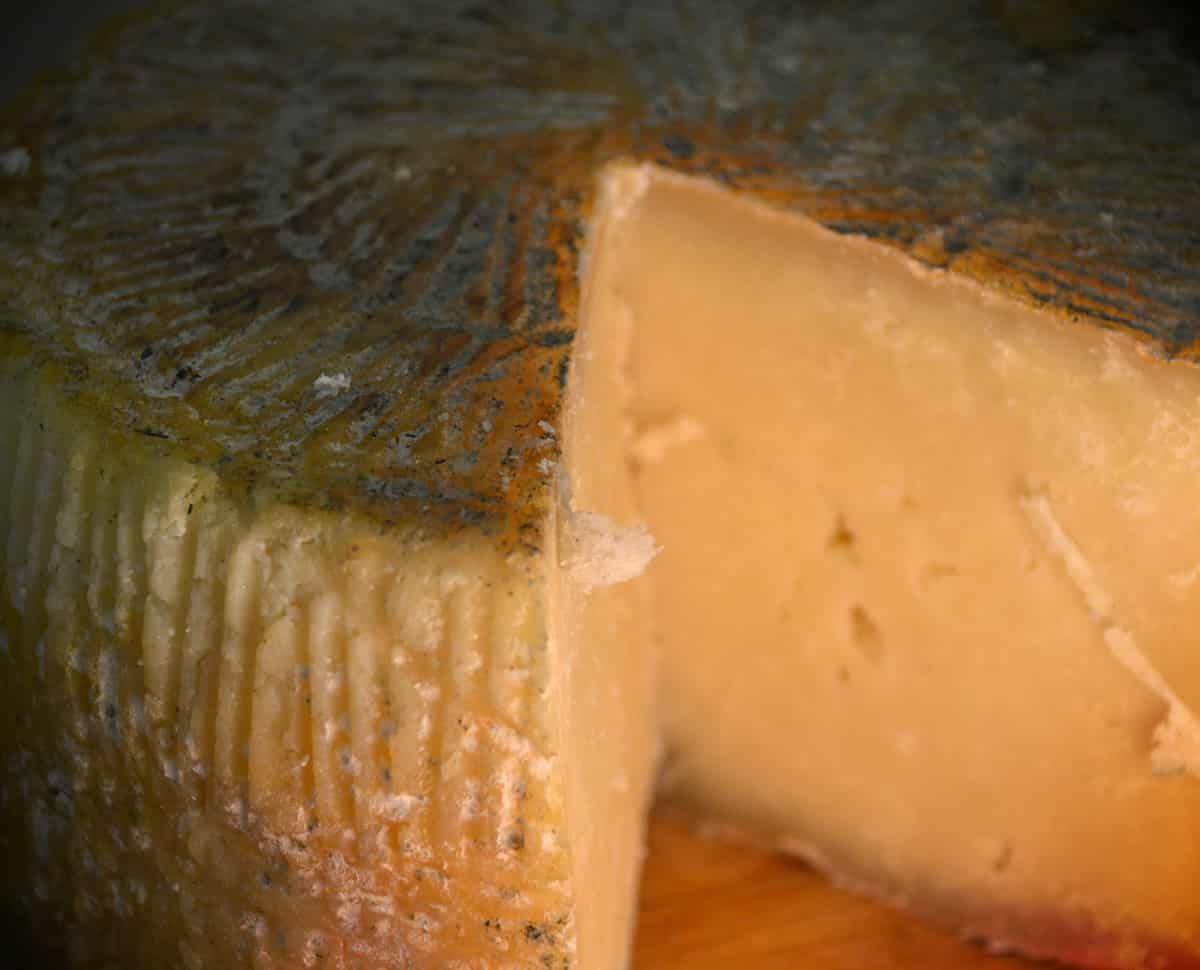
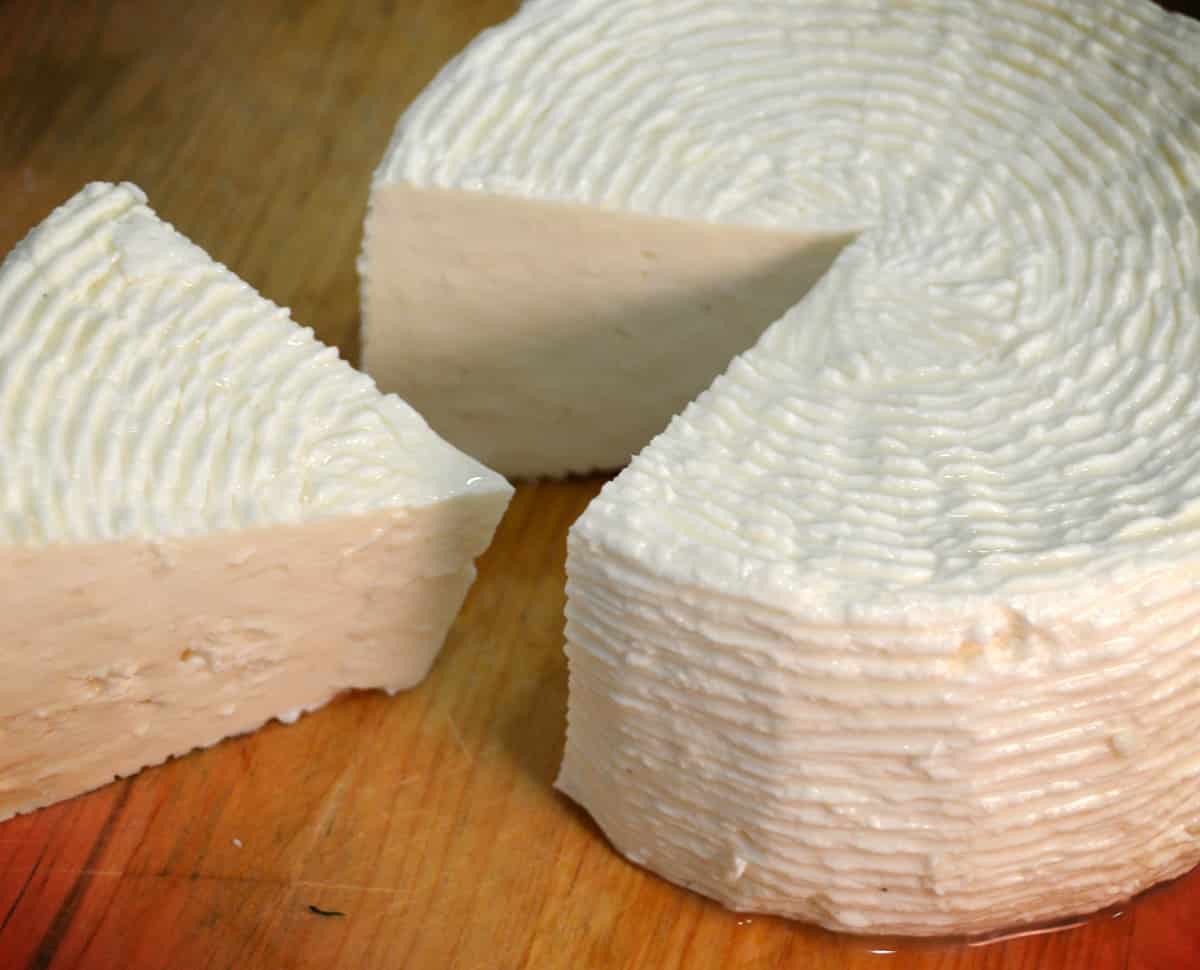
Pecorino Roiatese is a soft sheep's cheese in the Primo Sale version and semi-hard in the mature version, with a characteristic cylindrical canestrato shape. In the fresh version, the thin, rough, light straw-yellow rind encloses a soft, unctuous, ivory-coloured paste; in the ripened version, the thick, rough, dark-yellow rind encloses a soft, unctuous, deep straw-yellow paste. Dairy notes stand out on the nose, accompanied by hints of wild flowers and fresh grass and cooked vegetables. The taste is medium sweet and salty, slightly acidic and with a slight bitter and spicy note in the seasoned version. Medium solubility and aromatic persistence.

THE FLORIANI DAIRY OF ANGELO FLORIANI
Breeder and cheesemaker, Angelo Floriani runs his farm in Roiate with his family in an area with a pastoral tradition. "Here in Roiate, at one time everyone was a shepherd and cheesemaker," Angelo says, "but today there are only five or six of us left to do this job. On his farm, handed down from his grandfather to his father and then to him, Angelo raises over 200 head of cattle, mainly sheep and goats. His day begins at five o'clock and is entirely dedicated to the animals, while his mother and sisters are in charge of cheese production: he starts with milking, continues with grazing and again with a second milking. The animals are reared in the mountains, grazing freely with a few supplements of chopped hay and maize. It is a hard life, made up of sacrifices, without Saturdays and Sundays, that of Angelo, who proudly affirms: 'I was born a shepherd, if I hadn't had it in my blood, I wouldn't have been able to do this job'. He continues: 'In Roiate, the saying 'You are born with a stick' is still in use, and this is fortunately true. For me, in fact, it has been a beautiful, quiet, hard but satisfying choice of life'. Two types of pecorino are produced in his dairy, which are still sold locally, because the quantity produced is small: the first is more mature, dry and tasty, the second Primo Sale and therefore fresher. To these are added spicy versions with chilli pepper or truffle.