
40. Montelibretti Extra Virgin Olive Oil
History
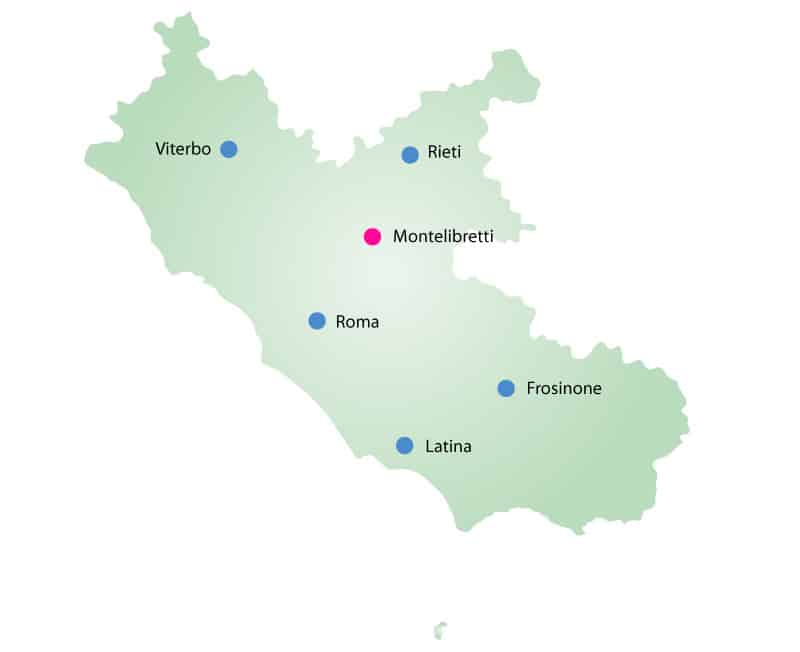
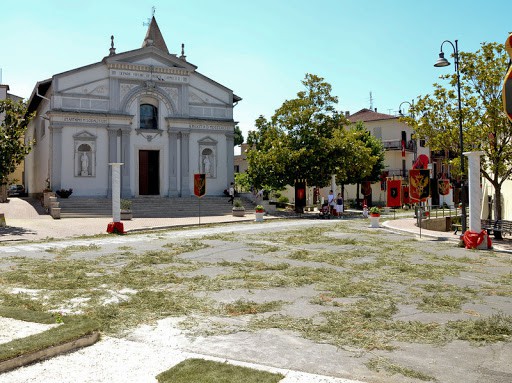
Situated on the slopes of the Sabine Mountains, a few kilometres from Rome, Montelibretti is a beautiful town with origins related to the Barberini family, rich feudal lords of the place.
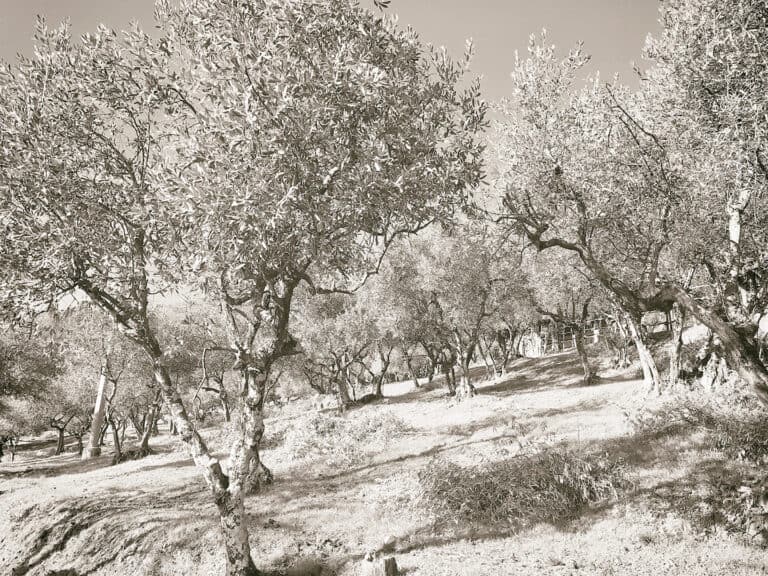
In its territory, entirely included in the Sabine area that has always been dedicated to olive production, the most widespread cultivations are naturally those of the centuries-old olive groves that produce a much appreciated extra virgin olive oil that is a source of pride for the inhabitants.
The traditional olive groves grow on hilly terrain, of limestone origin, permeable, dry but not arid. The most common cultivars present are those typical of Sabina, namely Carboncella, Leccino, Raja, Pendolino, Frantoio, Moraiolo, Olivastrone, Salviana, Olivago and Rosciola. The olive harvest, which takes place from the first of October to the end of January, is carried out manually or with the help of special combs or mechanical facilitators. Although the technique is very expensive, it is necessary because of the steep terrain and above all because it allows the fruit to be picked intact and at the right stage of ripeness. This is followed by the extraction and packaging operations: at local mills, the olives are washed at room temperature and then pressed with machinery that preserves the fruit's original characteristics. Once extracted, the oil can be marketed in glass bottles, metal or ceramic cans not exceeding 5 litres. With its delicate and characteristic flavour, extra virgin olive oil is the protagonist of village festivals and feasts but also an essential condiment for traditional dishes.

The product
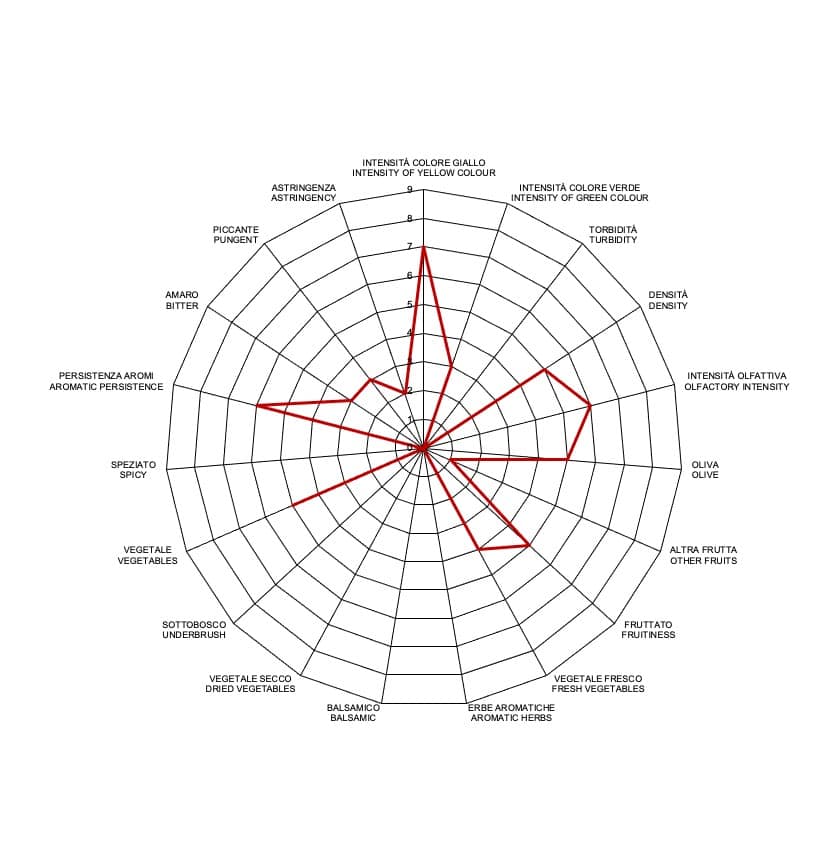
The oil is characterised by an intense yellow colour with slight greenish hues, medium fruity notes of olive, fresh vegetable (grass and artichoke) and slight notes of herbs (sage). The taste is slightly bitter and spicy, with medium aromatic persistence.
LUCA BRANCIANI, MAYOR OF MONTELIBRETTI
"If there is one aspect of Sabina that never ceases to amaze me, it is the immense expanse of olive groves that cover its rolling hills and in which you find yourself immersed as soon as you arrive in Montelibretti,' says Mayor Luca Branciani. 'Sabina is a land in which the entire agricultural landscape is dominated by the shapes and tones of the olive tree, and it is a sight that takes the breath away, not only for the first-time visitor but also for the inhabitants themselves. According to the mayor, everyone in Montelibretti has a family connection, almost ancestral, with the olive tree. His maternal grandmother was the owner of the Canneto olive tree, an olive tree more than a thousand years old, the largest in Europe, which still makes a fine show in Fara in Sabina. Luca Branciani himself and his wife have small olive groves from which, as amateur and passionate producers, they obtain oil for home consumption. To understand how deep-rooted the presence of the olive tree is in the village, the mayor recounts that in the past, the possession of one or more olive groves defined the social status of families and was held in high regard when marriages were arranged. "Today, many farms are springing up in our area, often run by young people, with the aim of taking advantage of the proximity of the Roman market and cultivating our olive groves, marketing a true product of excellence," says the mayor, who concludes: "We have in our hands a diamond in the rough that we want, we must protect and properly value.