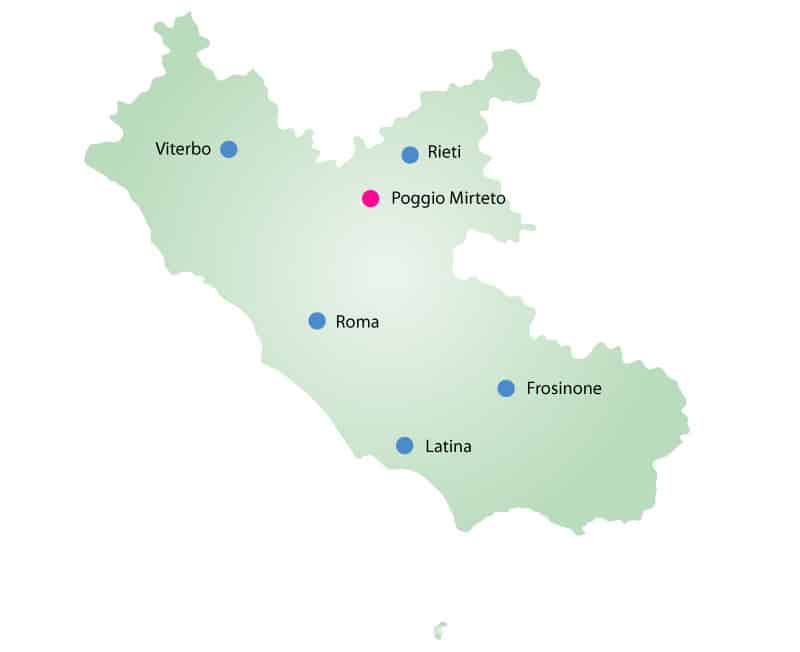
04. Cacio Magno of Poggio Mirteto
History
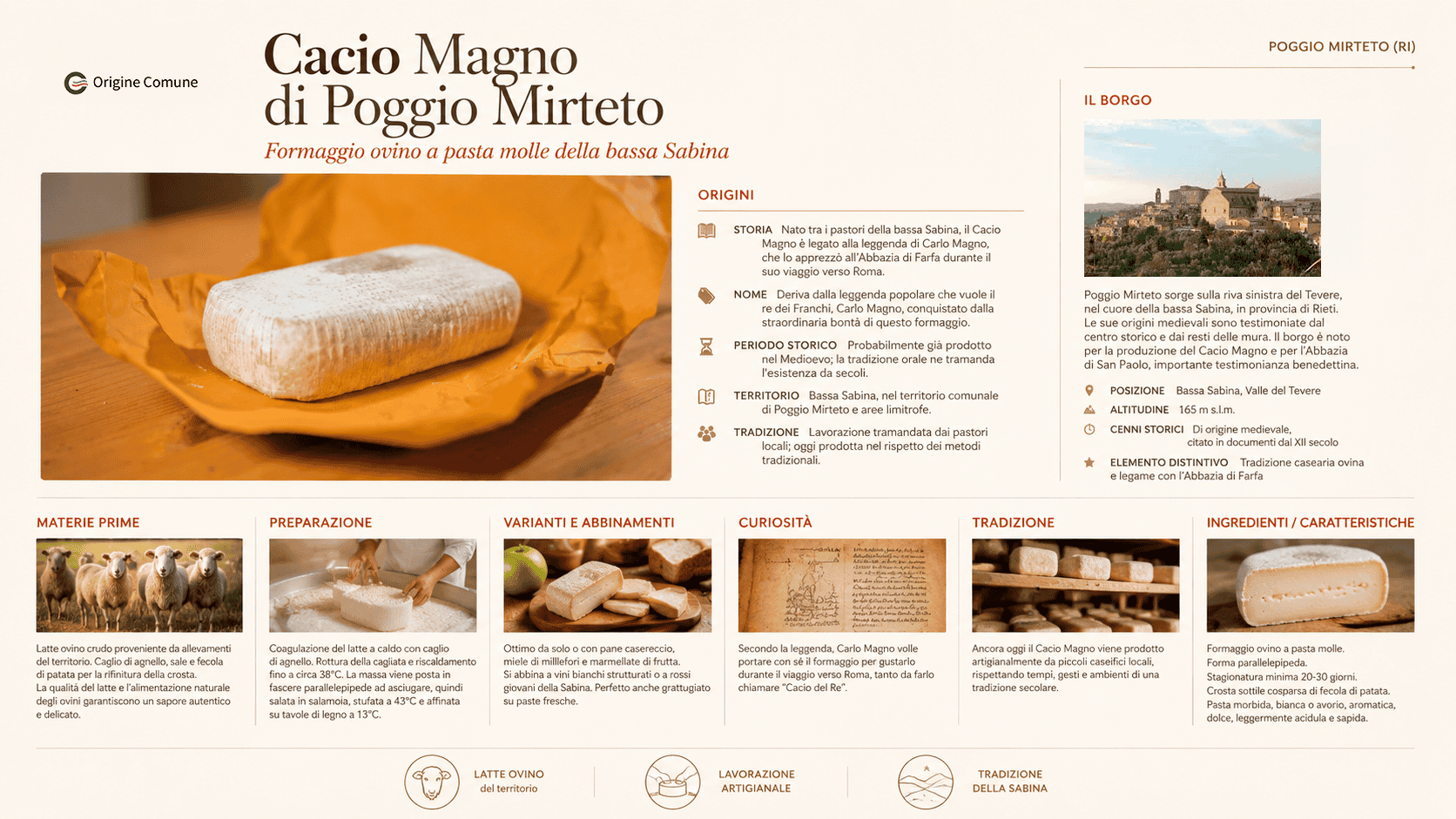
Produced in Poggio Mirteto, a charming village in the lower Sabina region not far from Rieti and nestled in the Tiber Valley, Cacio Magno owes its origins to a legend linked to Charlemagne, King of the Franks. It is said that, on his journey down to Rome to be crowned Emperor of the Holy Roman Empire, the king stopped at Farfa Abbey, where he tasted this cheese, which was quite unlike any other cheese known at the time. Its extraordinary flavour must have made such an impression on him that he wanted to take it with him to enjoy during his journey.
Legend aside, this sheep’s-milk cheese originated centuries ago amongst the shepherds of the lower Sabina region and today, after a long period of near-total obscurity, its production has been revived – specifically in the charming village of Poggio Mirteto – whilst fully respecting its traditional characteristics. The sheep’s milk, sourced from farms within the municipality, is heated and then coagulated using lamb rennet. The curd is first broken up, heated to a temperature of around 38°C, and then placed in special rectangular moulds to dry. This is followed by salting in brine, steaming at 43°C, a rest in the cold store on traditional wooden boards at a temperature of 13°C, and finally maturing for at least 20–30 days, during which the wheels are dusted with potato starch to achieve the characteristic outer rind.
The product
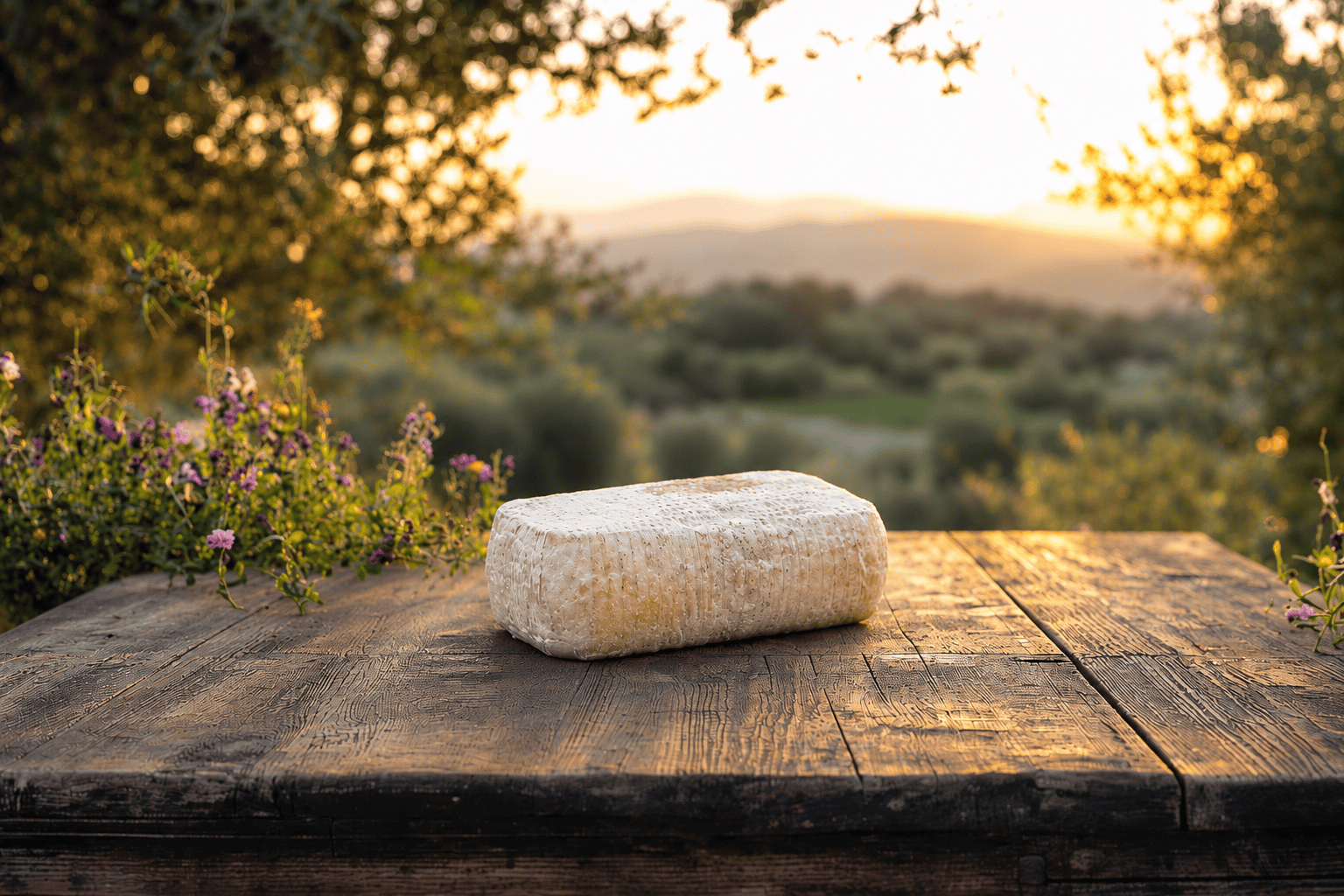
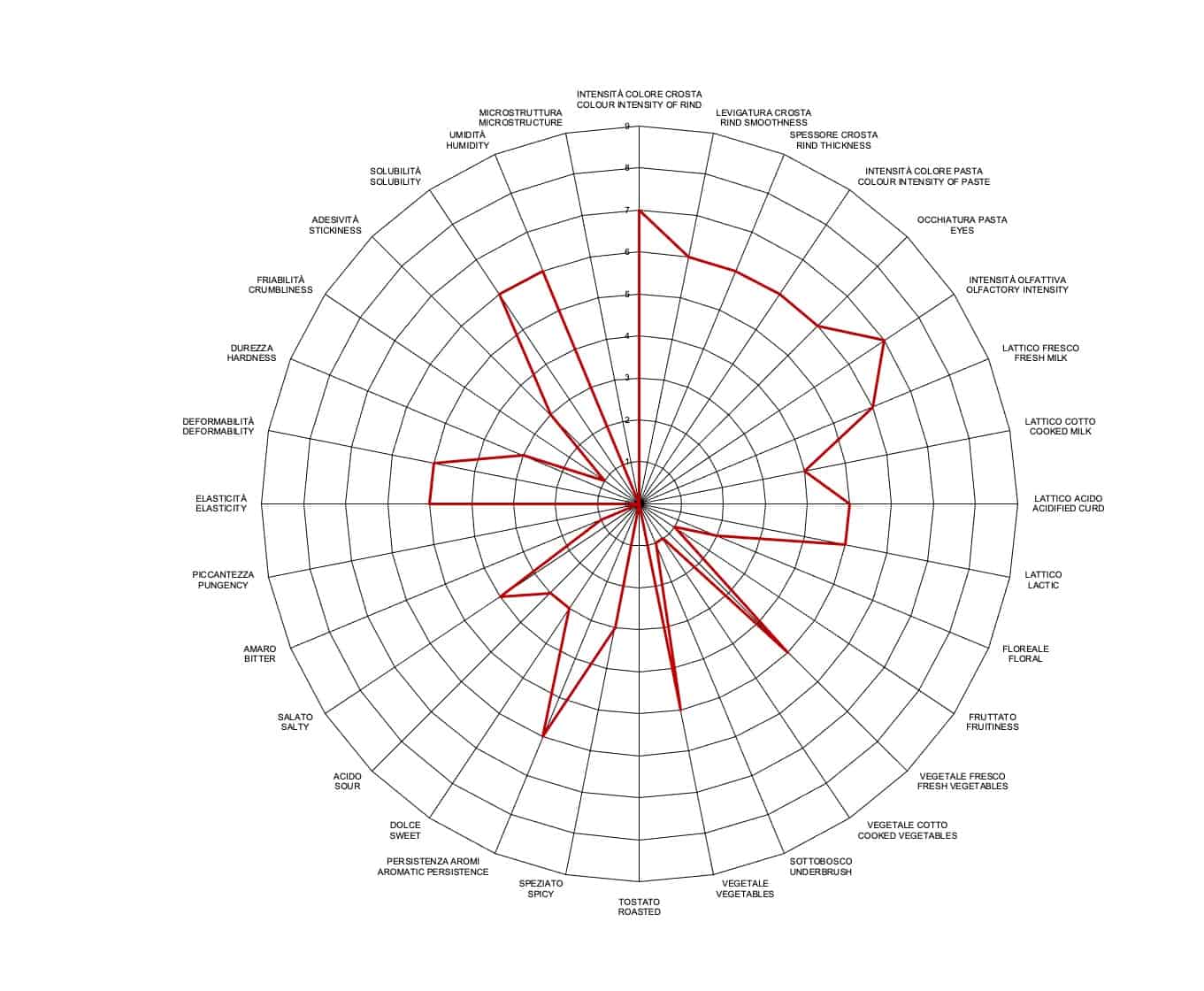
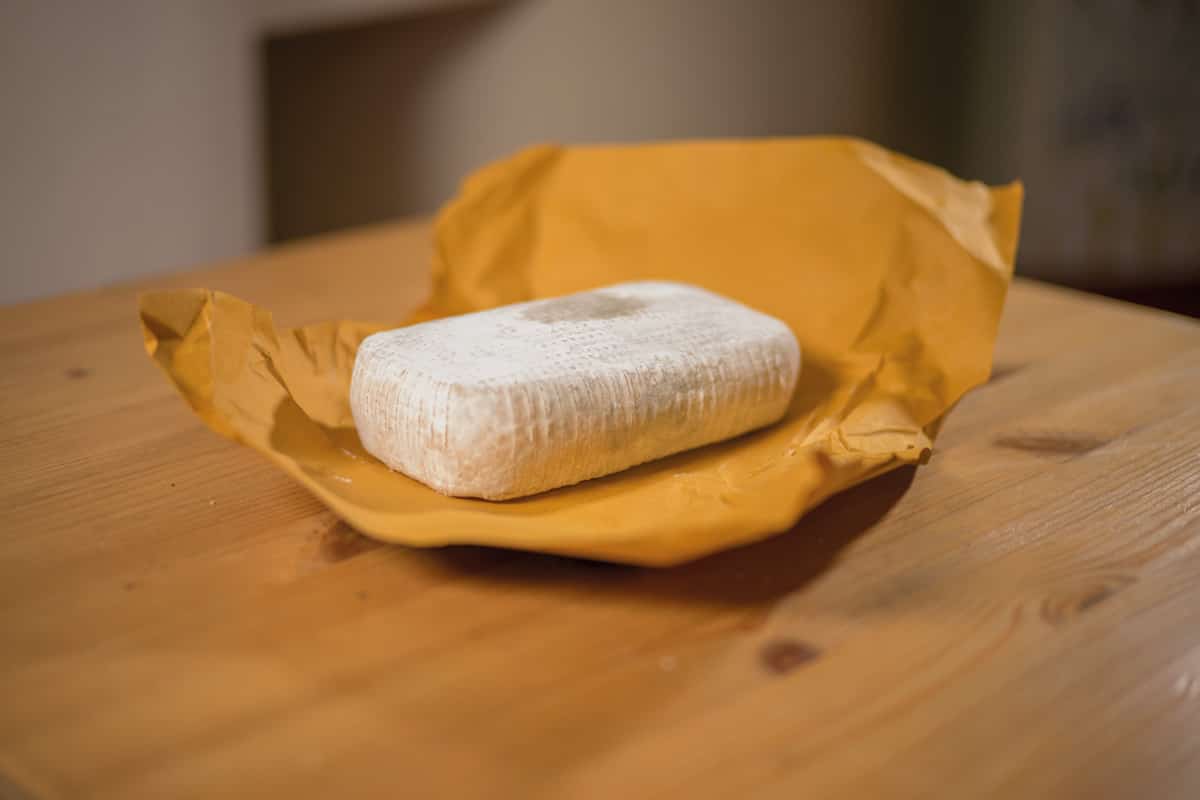
Cacio Magno is a soft sheep's cheese, matured over 20 days, with a characteristic parallelepiped shape with a square base and a typical rind sprinkled with potato starch. The thin, rough, straw-yellow or grey rind encloses a soft, unctuous, white or ivory-coloured paste. On the nose, lactic notes stand out, accompanied by hints of wild flowers and fresh grass. The taste is sweet, acidic and moderately salty with good solubility and aromatic persistence.

POGGIO MIRTETO: BETWEEN RURAL MIDDLE AGES AND INDUSTRIAL ARCHAEOLOGY
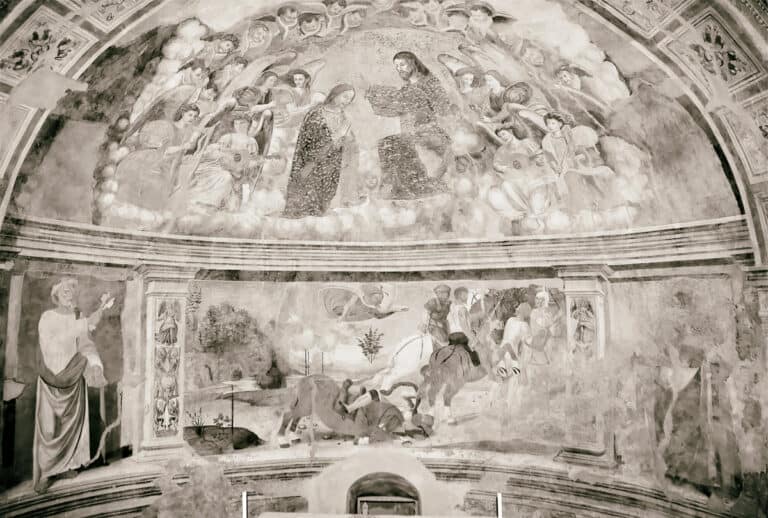
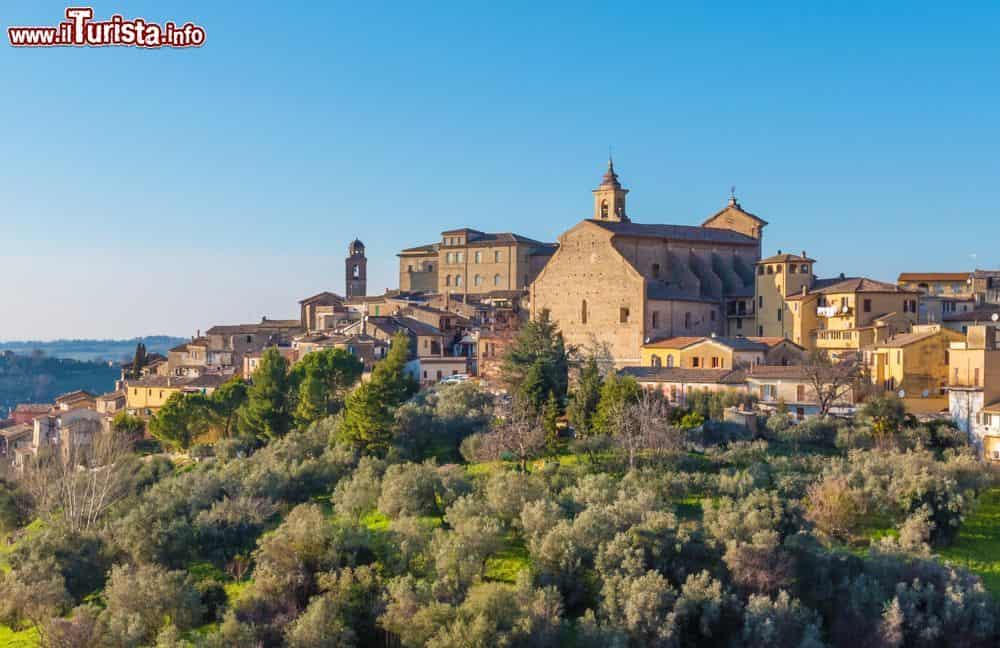
The town of Poggio Mirteto stands atop a hill overlooking a lush valley dotted with vast expanses of olive groves. Originally a possession of the Abbey of Farfa, it subsequently passed into the hands of the Farnese, the Orsini and the Bonaccorsi families, before finally coming under the control of the Papacy. The town’s layout contrasts the medieval old town with the modern part, which extends beyond the Porta Farnese. The town’s principal place of worship is the Cathedral of Santa Maria Assunta, with its distinctive terracotta façade, which houses a work of considerable value in the chancel: *The Assumption of the Virgin into Heaven* by Giovanni Baglione. Not far away, in the medieval quarter, stands the Romanesque church of San Paolo, where Lorenzo Torresani’s magnificent *Coronation of the Virgin* takes pride of place in the apse of the single-nave church.
Among the examples of civil architecture, in addition to the Baroque Porta Farnese and the 16th-century Clock Tower, stands the imposing structure of the Bishop’s Palace. But Poggio Mirteto also boasts, within its boundaries, a fine example of industrial archaeology: Italy’s first large-scale industrial glassworks, dating back to the early nineteenth century. All that remains of the complex is a chimney and a few neighbouring buildings, as well as the description provided by Giuseppe Marocco in his 1834 volume. According to the scholar, this factory aroused, thanks to the excellence of its crystal, "the admiration of cultured foreigners and artists".