39. Arpino Extra Virgin Olive Oil
History
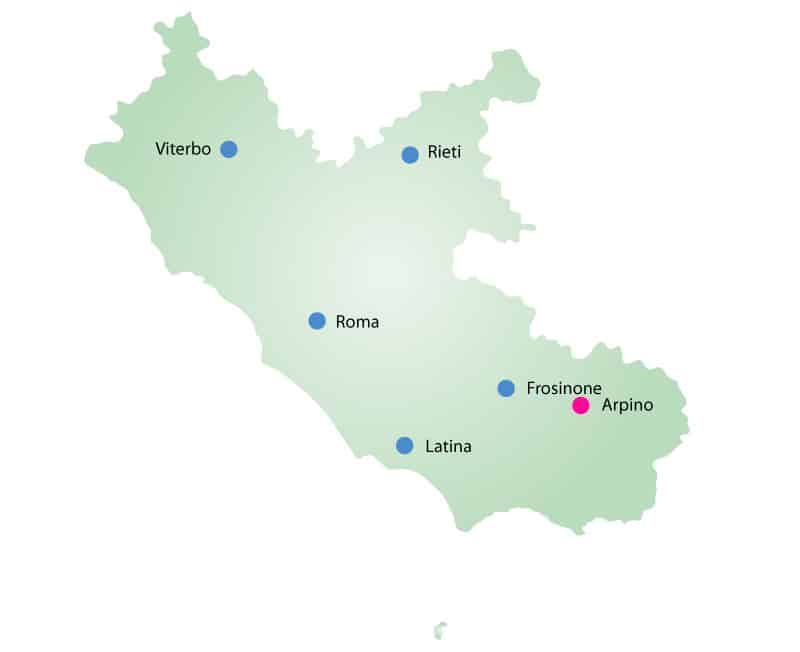
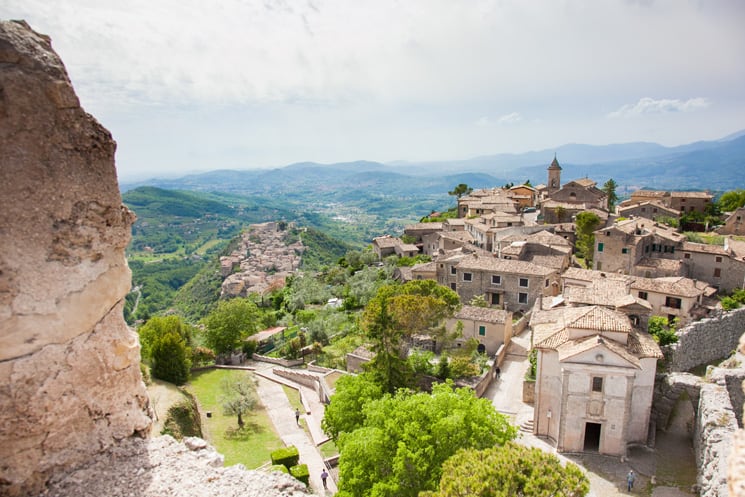
In Ciociaria lies this historically rich village, Arpino, whose place-name seems to derive from its urban layout, which, seen from above, resembles a harp. The town lies on the left side of the Liri River Valley and is surrounded by centuries-old woods and olive groves. Since time immemorial, olive cultivations have been the town's pride and joy, from which a characteristic extra virgin olive oil is made, an indispensable ingredient of the tasty local gastronomy.
Today, there are many olive growers in Arpino whose work is committed to the production of this gastronomic excellence, capable of telling the story of an area, its traditions and representing a local specificity. The traditional olive groves grow on hilly terrain, of limestone origin, permeable, dry but not arid. The most common cultivars are Moraiolo, Leccino and Frantoio, while Marina and Itrana are less common. The olive harvest, which takes place between the first of October and the end of January, is carried out manually, with the help of special combs or mechanical facilitators. The technique is undoubtedly expensive but allows the fruit to be picked intact and at the right stage of ripeness. After harvesting, the olives are taken to local mills, washed at room temperature and then pressed using mechanical processes that respect the fruit's original characteristics. Once ready, the extra virgin olive oil can be marketed in glass bottles, metal or ceramic cans not exceeding 5 litres.
The product
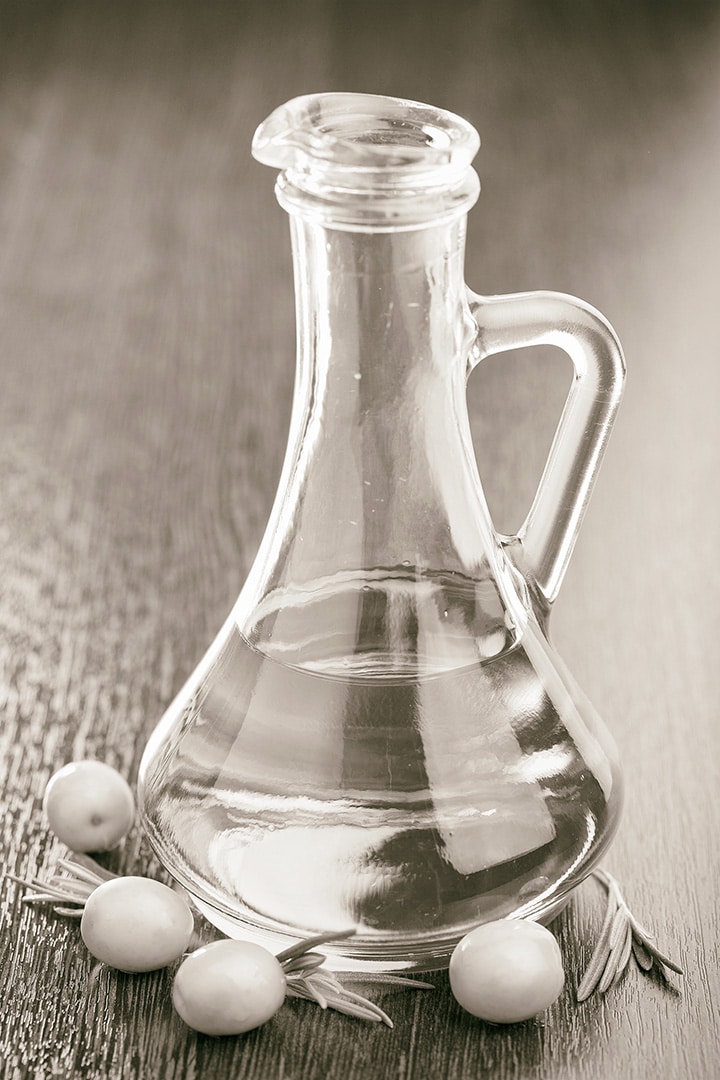
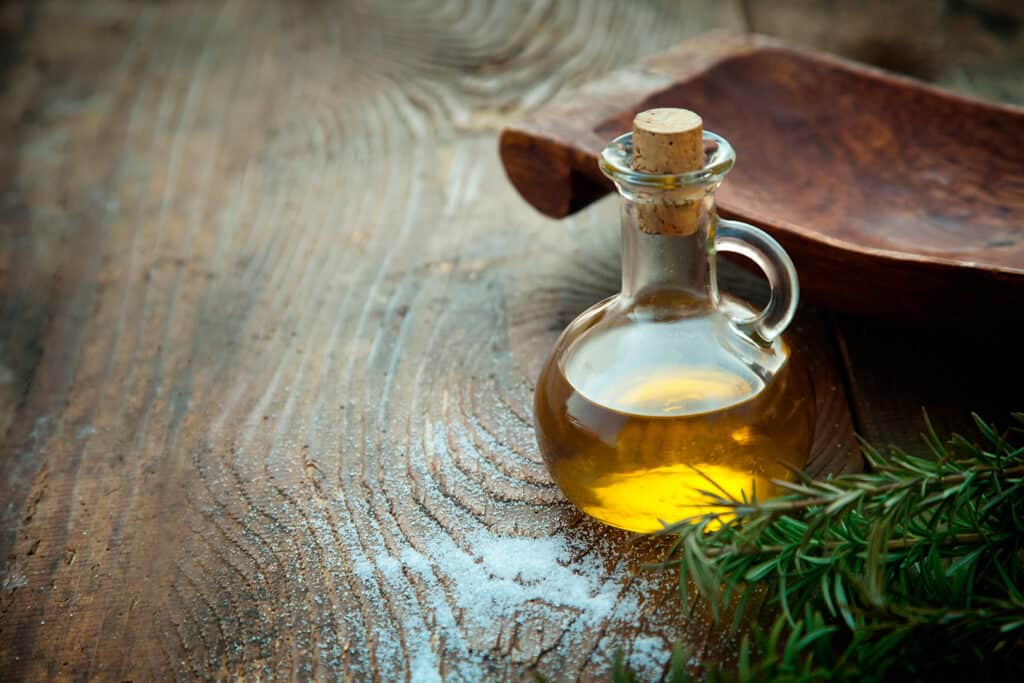
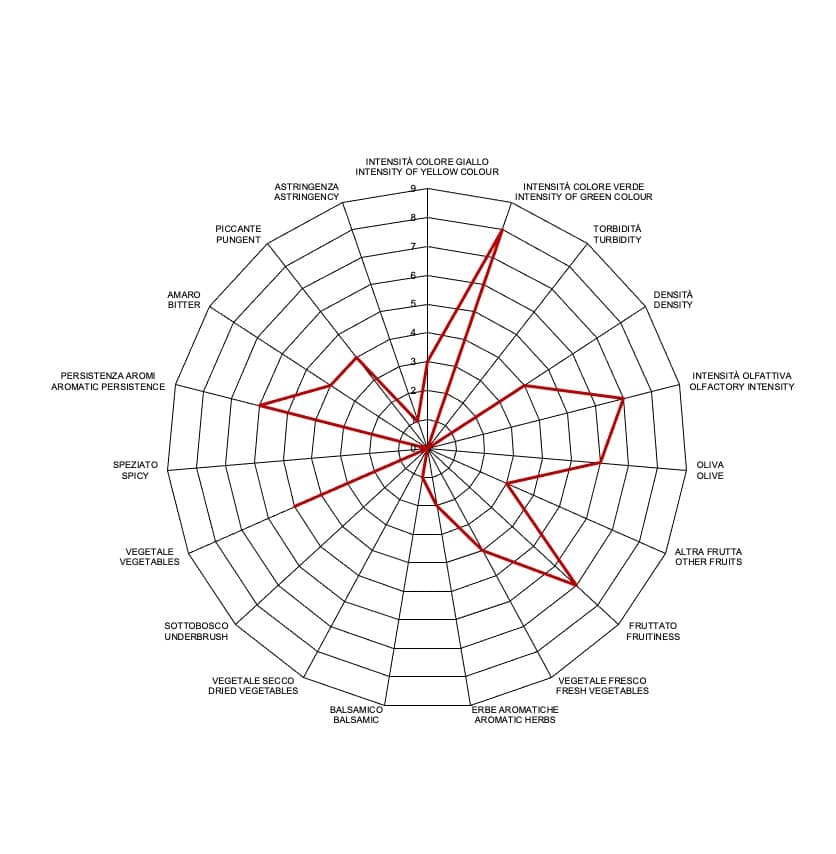
The oil is characterised by a deep green colour with slight golden hues, high fruity notes of olive, fresh vegetable (grass, green tomato and artichoke) and slight notes of herbs (sage). The taste is slightly bitter and spicy, with medium aromatic persistence.
FABRIZIO MARTINO OF THE MARTINO ORGANIC FARM
"Growing olives and producing oil is a real passion for me,' says Fabrizio Martino, an olive grower from Arpino. Here in Arpino, says Fabrizio, olive growing is an ancient practice rooted in the village culture. Even today, for example, the unit of measurement used in oil mills is not the litre but the much older cannata, corresponding to twenty-two litres. The hilly conformation of the land is well suited, according to the olive grower, to the Moraiolo, Leccino and Frantoio cultivars: 'the Moraiolo cultivar withstands various frosts well, withstanding temperatures as low as 7-8 degrees. To cultivate it, however, you have to be a persistent and very patient farmer. Because it is an unstable cultivar, it often causes unsatisfactory harvests. But when the year is right, the oil you extract from it will be remembered for a long time'. Harvesting, according to Mr Martino's experience, should be done by the end of October, quickly, to prevent over-ripe olives from impairing the quality of the oil. The olives are picked by hand, those that are not intact are discarded, thanks also to the help of the wind that makes the ripest ones fall to the ground. "The most satisfying thing about this work is noticing a rapprochement of younger people to oil production. It warms the heart to find more and more young entrepreneurs at the mill. School classes also often come to visit our olive groves. I try to pass on to them the culture of oil, my real passion.