
36. Lane of San Cesareo
History
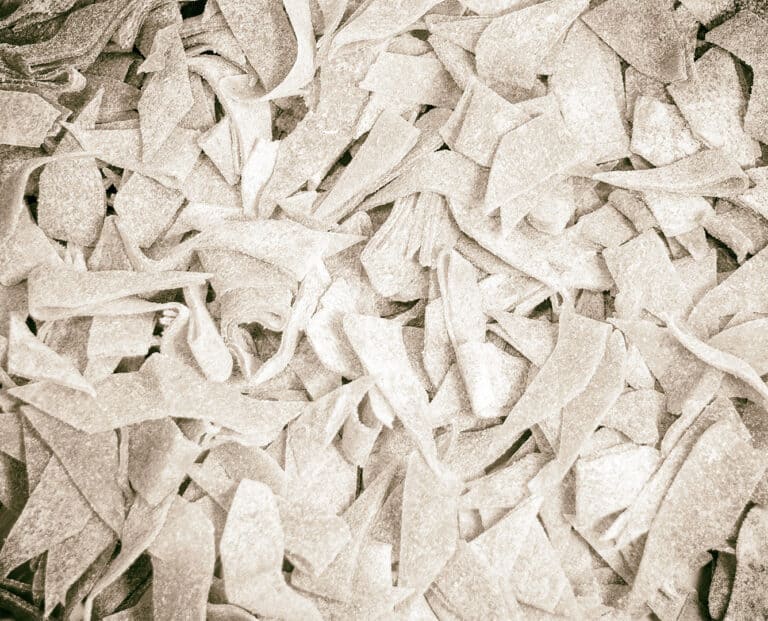
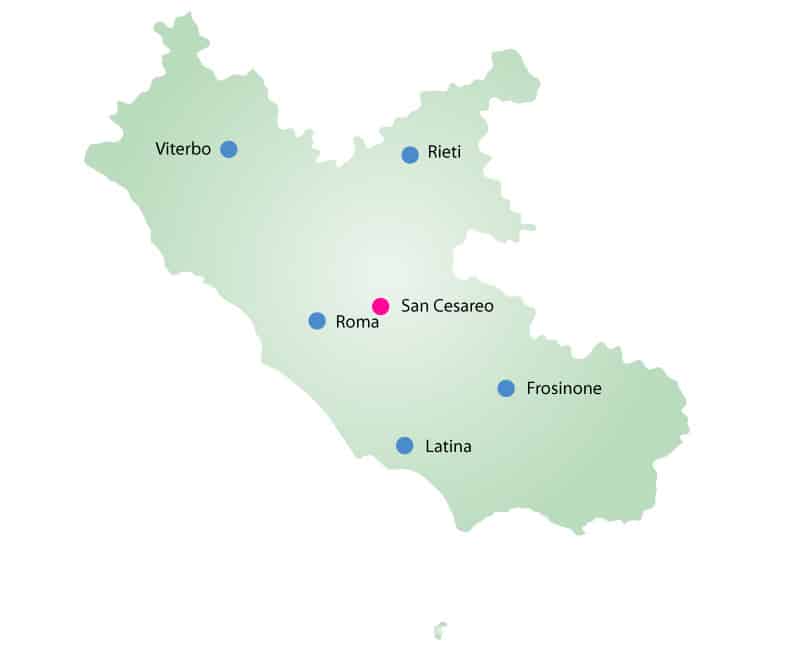
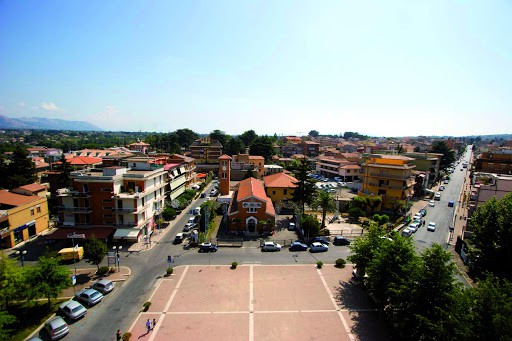
Lane is a fresh pasta that is the traditional dish of San Cesareo, a beautiful town located on the slopes of the Alban Hills, along the route of the Via Casilina. It is probable that the name Lane derives from a linguistic corruption of the Latin word laganum, used by the poet Horace (but later also by Apicius in De Re Coquinaria) who in his sixth Satire describes his meal of 'leeks et ciceris laganique', i.e. leeks, chickpeas and lagani, which some scholars believe to be a fritter or an oven-baked pasta similar to modern lagane. What is certain is that, according to tradition, the preparation of this kind of maltagliati should date back to the early 19th century when the lands of San Cesareo were the property of the great noble families such as the Rospigliosi Pallavicini, in whose service numerous families of peasants worked. The women of these farm labourers, who had to live on the Marcelli hill, in semi-seasonal accommodation (like huts made of wood and straw), were responsible for the preparation of this simple pasta to be eaten during frugal family dinners.
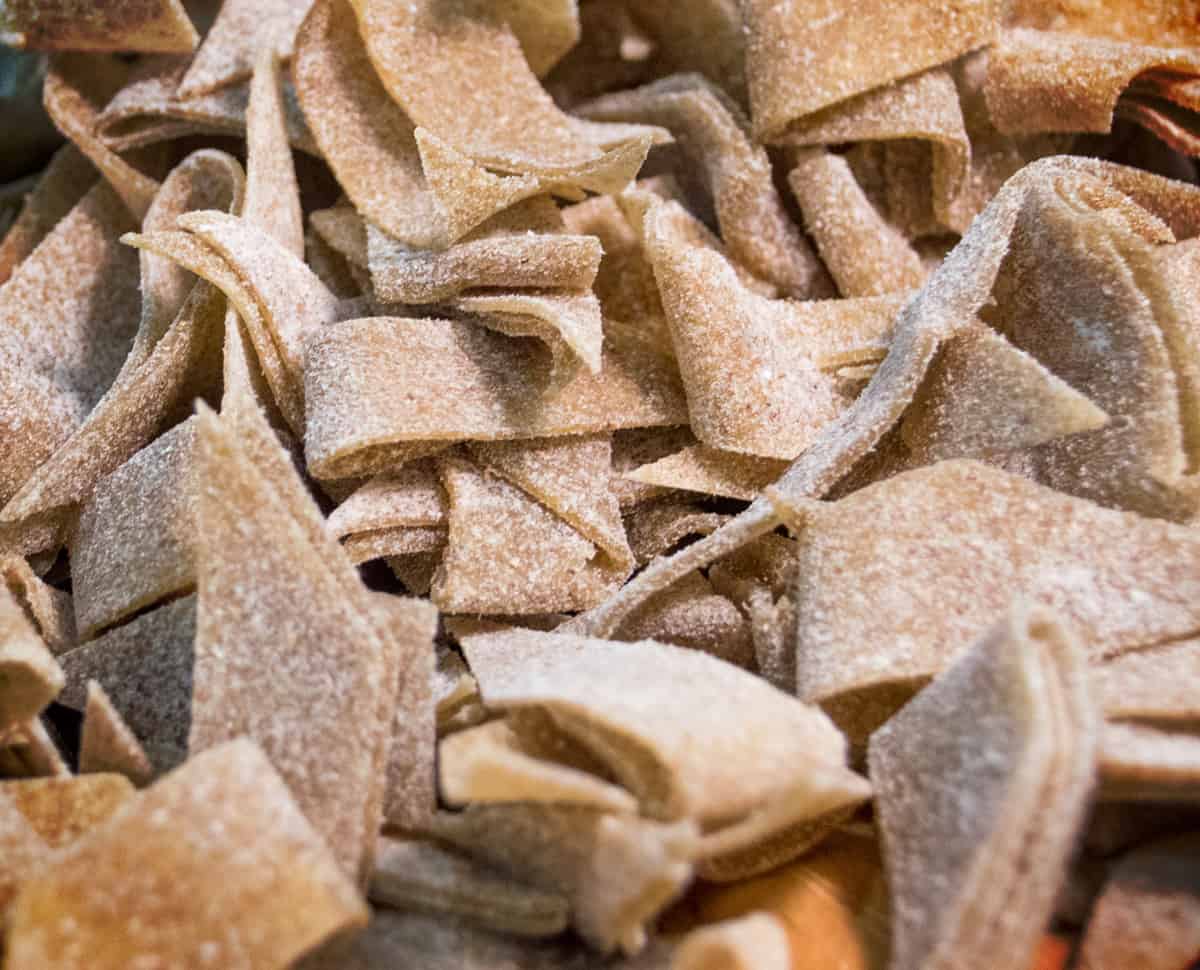
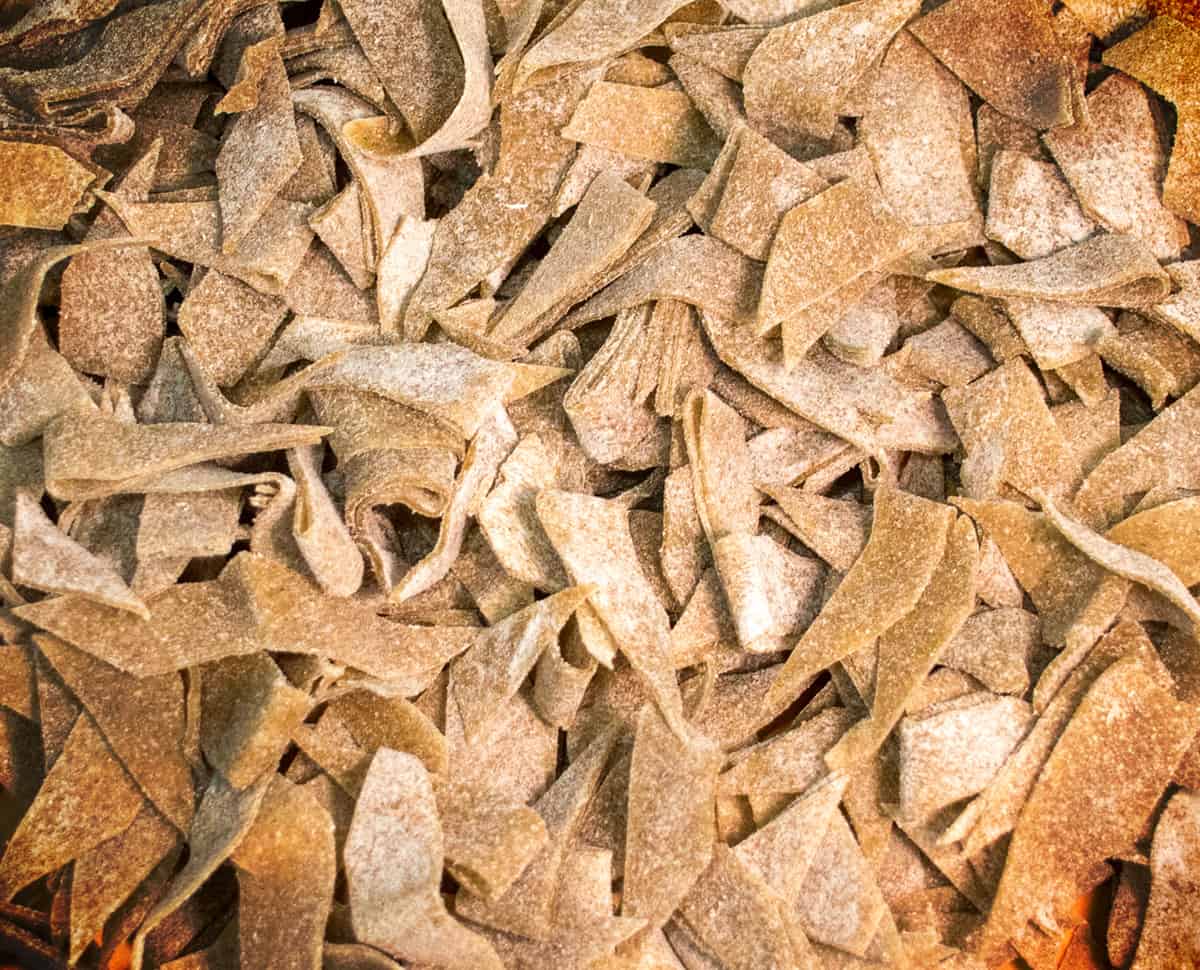
Since then, the recipe handed down from generation to generation has been prepared with the same simple ingredients: whole wheat flour, eggs, salt and water. Kneaded by hand, the pastry is rolled out on a pastry board, then placed on suspended wooden sticks to dry. The now-dried dough is folded in on itself, then cut by hand, giving it a triangular shape. Lane are traditionally eaten with a tasty cod sauce.
The product
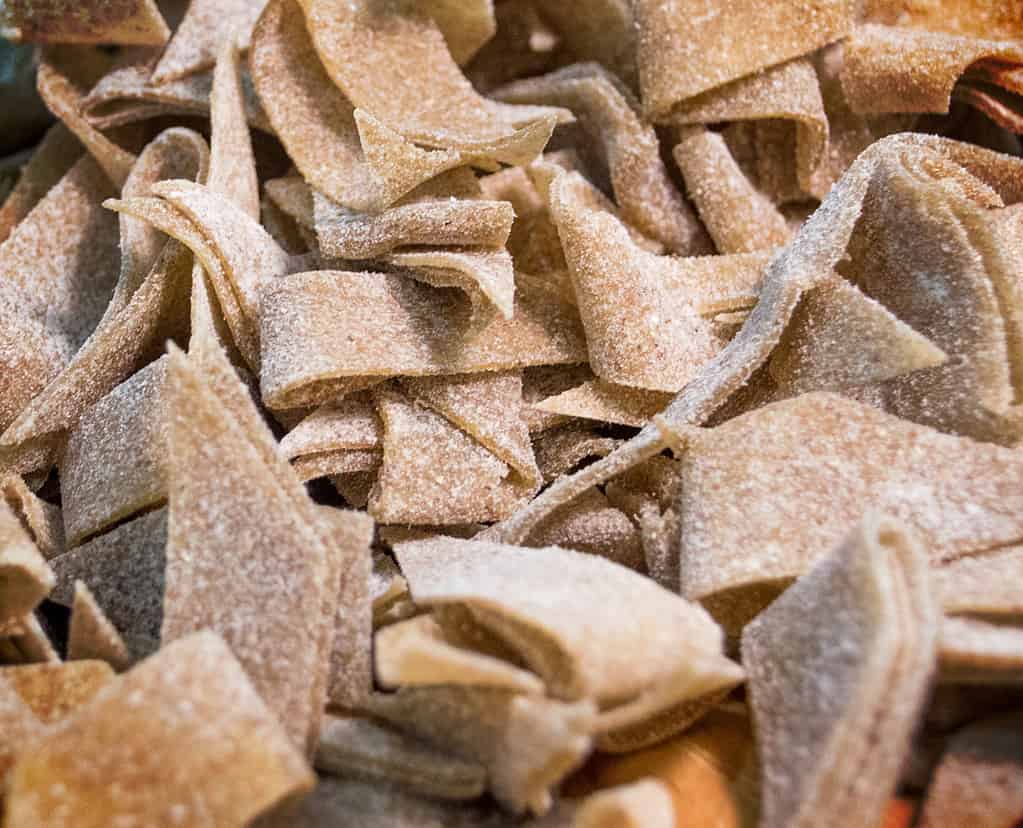
Lana has a homogenous intense hazelnut colour and is characterised by high integrity after baking. The high olfactory intensity is characterised by notes of cereals, flour and egg combined with a light toasted hint. The taste is harmoniously sweet with a slight salty note. Good consistency and elasticity.

ELISABETTA RONZANI AND THE SISTERS RONZANI ARTISAN PASTA FACTORY
In San Cesareo, Tiziana and Elisabetta Ronzani passionately pursue the art of making fresh pasta. Among the specialities of their workshop are Lane: 'a poor pasta,' says Elisabetta, 'and as my grandmother used to say, simple to make'. The old recipe called for the use of coarse flour, but today the most refined flour is used in the pasta factory. The dough, says Elisabetta, involves the use of only 3 eggs per 1 kg of flour, so kneading is hard work, requiring a certain physical strength. The other skill is manual, in the somewhat irregular and crooked cut. According to Elisabetta, the name may derive from the shape that resembles wool. "In the past, people used to unpack mattresses to retrieve the wool. This was stripped off, torn and then placed in the sun,' Elisabetta continues, 'and wool is just like that: irregular, coarse and rough. The traditional condiment with which they are served is a simple sauce made with salt cod, freshly flecked with tomato. "Today in San Cesareo, we are the only ones to prepare the lane, which we sell fresh, during village festivals and feasts, or weekly to housewives who can bring them to the table after preparing the sauce with the cod'. Elisabetta concludes: 'We decided to take the path of De. Co. recognition to protect one of our food excellence. Wool is simple and good, and the simple things of our tradition must be protected'.