
35. The Maza of Lanuvio
History
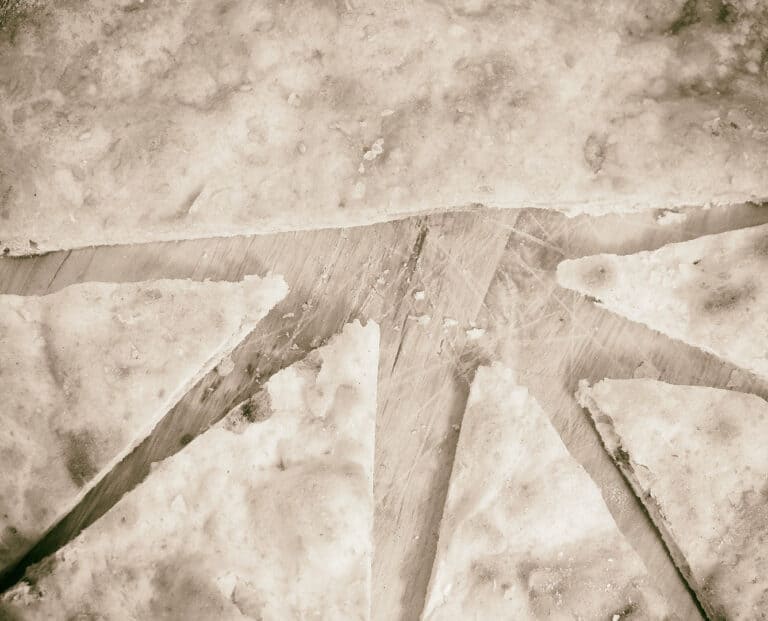
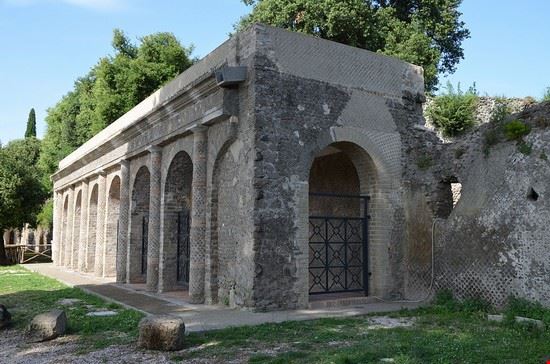
Maza was a flatbread linked to the cult of Juno Sospita, a deity very important to the city of Lanuvium, which had dedicated a monumental temple to this goddess on the Acropolis, visited by all the Latin peoples. In 338 BC, when the Romans finally defeated the cities of the Latin League, they gave Lanuvium favourable treatment in exchange for part of the proceeds of the rich sanctuary. Archaeological excavation campaigns and ancient sources - in particular Propertius and Elianus - have brought to light the remains of the monumental temple, but above all have made it possible to reconstruct the history of an ancient propitiatory rite addressed to the serpent sacred to the goddess, to whom every spring some Lanuvian virgins had to bring spelt mazes as gifts in exchange for fruitful harvests. The term maza was used by the Greeks to describe a flatbread, to be eaten either alone or as a companion to other foods, whose ingredients for the dough had to be different according to the occasion of consumption: water, oil, honey, milk, spelt flour, barley, chickpeas or broad beans. It is no coincidence that archaeological investigations in Lanuvino at the temple have uncovered traces of cooked broad beans and chickpeas, as well as the remains of sheep and goats. Realising the historical value of the ancient cult, the Municipality and the Lanuvine producers decided to recover the production of the ancient focaccia, disseminating its fascinating history. Today, as in the past, Maza is made with simple ingredients such as barley or wholemeal spelt flour, water, extra virgin olive oil and salt, baked in the oven and seasoned with local products.
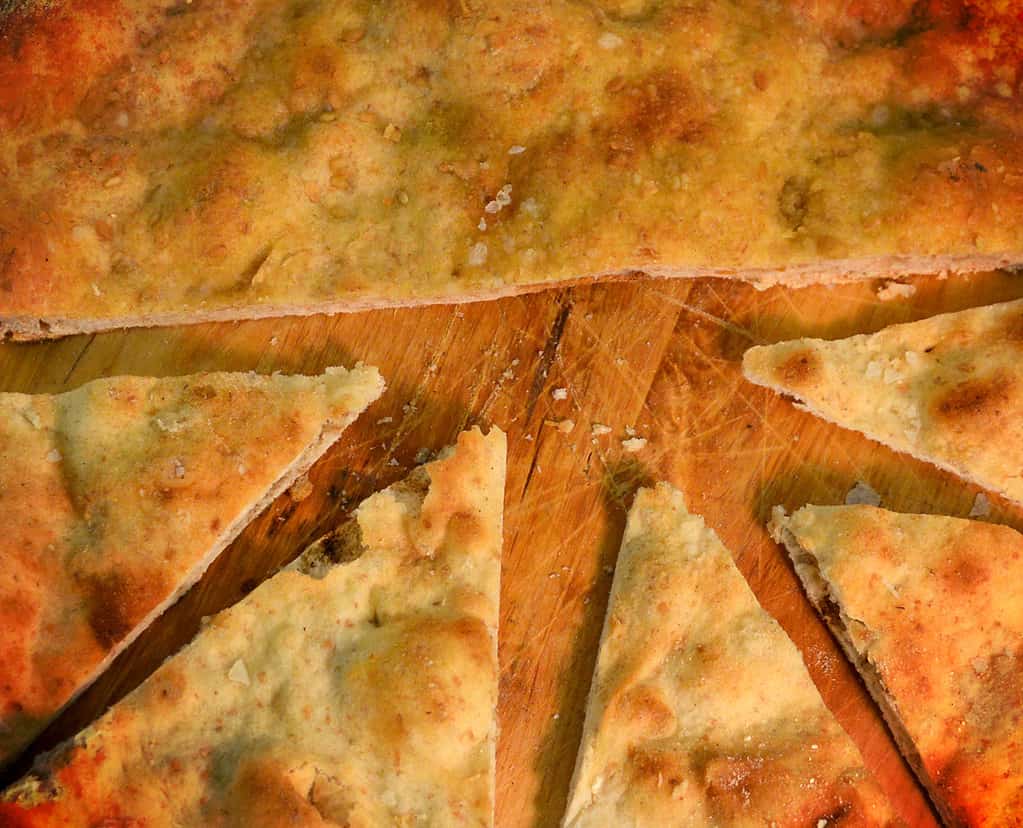
The product
Maza, characterised by its round shape, has a straw yellow or amber colour. Its high olfactory intensity is characterised by pronounced cereal and oil notes combined with hints of toast. The taste is harmoniously salty, with a pleasant sweet note. Good crispness and medium aromatic persistence.

GIUSEPPE VERRI'S 'CASALE DELLA MANDRIA' MAZA
Engineer and chef, Giuseppe Verri is also a sculptor and painter with more than 80 exhibitions to his credit and 700 works. The attention to healthy eating and the passion for agriculture inherited from his family, combined with his love for art, have allowed him to set up the Casale della Mandria farmhouse in the green surroundings of Lanuvio. Giuseppe's dream, now realised, was to turn the agriturismo into an art centre, a revolutionary farming project realised to the tune of sculptures, giant installations and a wooden amphitheatre. Giuseppe's other great passion is cooking. His guests can enjoy, in addition to the very careful selection of food specialities from Lazio, the products of the Casale: the cereals and vegetables, the pasta made from his ancient grains, the organic beer and, for the past four years, also Maza.
'There has always been a continuous search on my part for genuine local products and our thousand-year-old tradition,' says Giuseppe. "So after listening to the voice of the elders about the legend of the snake and the Maza and learning about the latest archaeological research at the temple, I decided to try to reproduce the Latin recipe." He adds smilingly: 'I made many attempts, as at first the product was inedible. In the end, by adapting the recipe to today's tastes, I managed to recreate a digestible and excellent product from a taste point of view, as well as being very similar to the past'. He concludes: 'And today I can consider Maza another work of art!