

31. Onion of Nepi
History
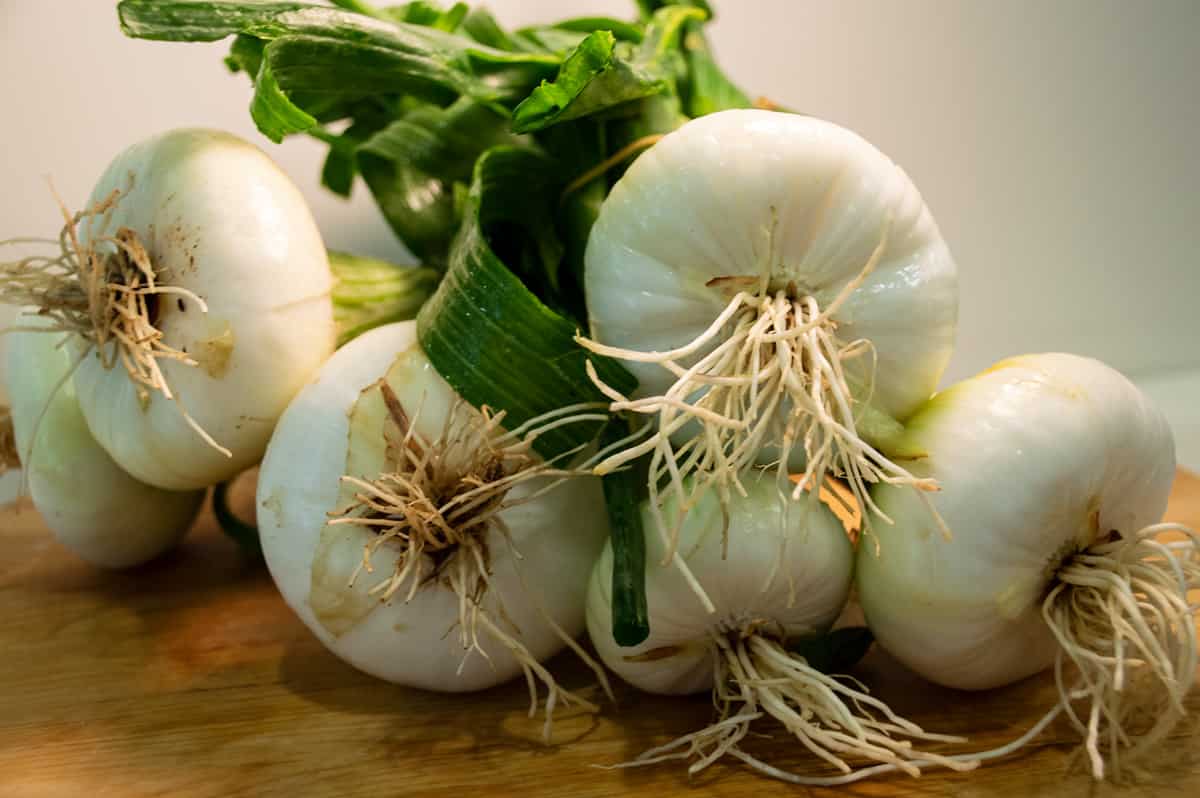
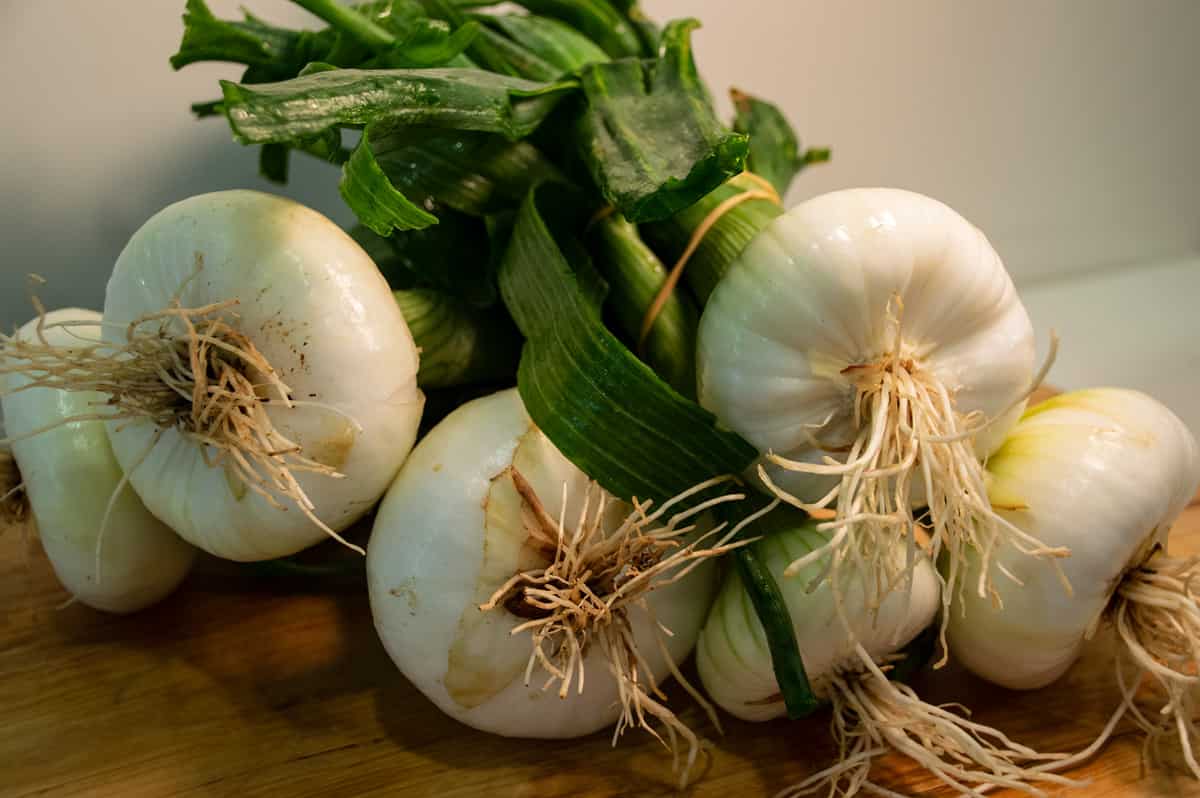
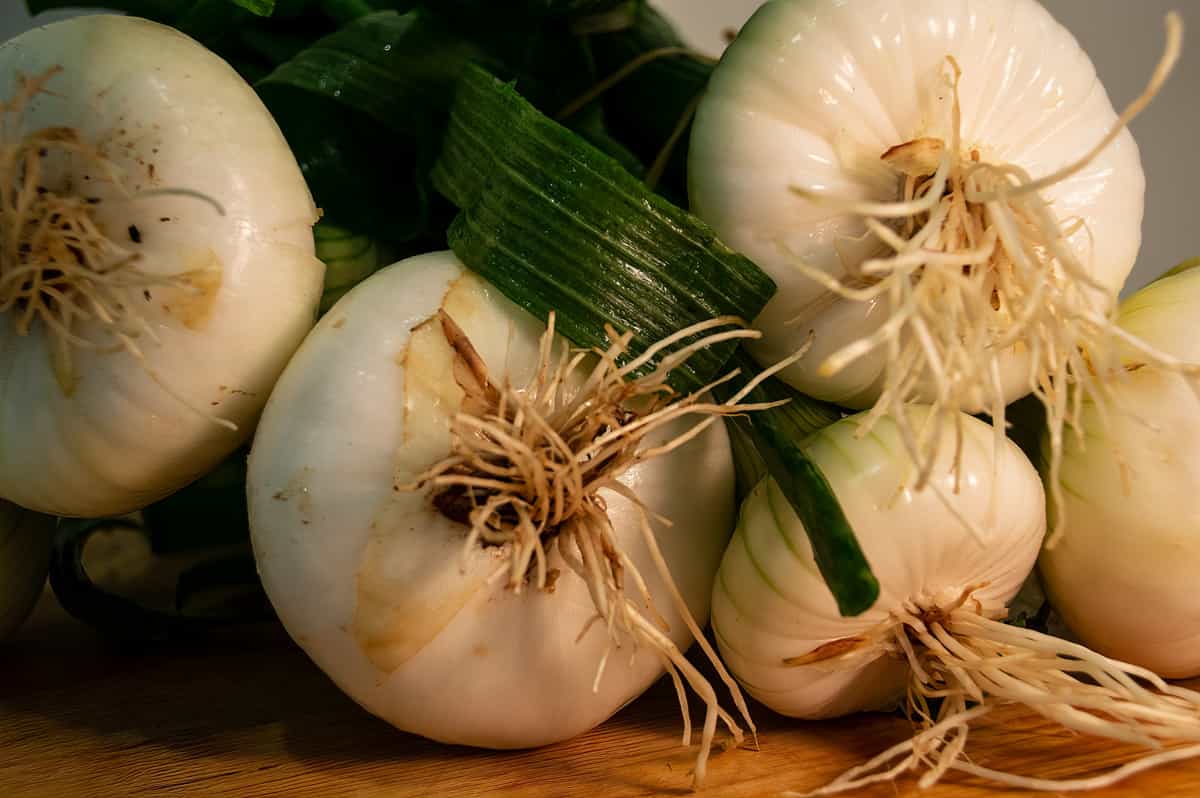
This variety of onion, an ecotype referable to the species Allium cepa L., with its white colour and characteristic flattened shape in the centre of the bulb, has long been cultivated in the municipality of Nepi. In the past, much of the town's economy revolved around the cultivation of this vegetable, so much so that throughout upper Lazio the inhabitants of Nepi were known by the nickname 'cipollari'. In this territory, fertile and rich in mineral waters, onion cultivation had to be introduced by the Romans at the time of the conquest of the Etruscan territories. Since then, the people of Nepes became expert growers of this vegetable that was very well known and in demand in Roman markets between the 19th and 20th centuries. Until the second half of the last century, the onion's fame must have been undisputed if in 1976 there were no less than 220 market gardens and over 1200 producers in Nepi.
In recent years, however, the cultivation of this vegetable has risked disappearing completely from the territory and hybridising with other local varieties. In order to protect this excellent fruit and vegetable, some farmers in the country, who have held the seed for generations, have resumed growing it in their vegetable gardens (there are now 20), taking great care to reproduce it in isolated plots so as not to incur contamination with other varieties and to promote its consumption. As it is very delicate and particularly digestible, it is one of the vegetables that is always present in Nepalese cuisine. The inhabitants usually eat it raw, in soups or as the main ingredient in traditional country recipes such as acquacotta or barley with Nepi onions and chestnuts from the Cimini mountains.

The product
The Nepi onion has a medium-white colour with green veins. When cut, it has the characteristic layered shape of uniform white colour. Its high olfactory intensity is characterised by marked vegetal notes. The taste is sweet with a light salty, acidulous and bitter note. High pungency and good aromatic persistence.

THE MYSTERIOUS CAVES OF NEPI
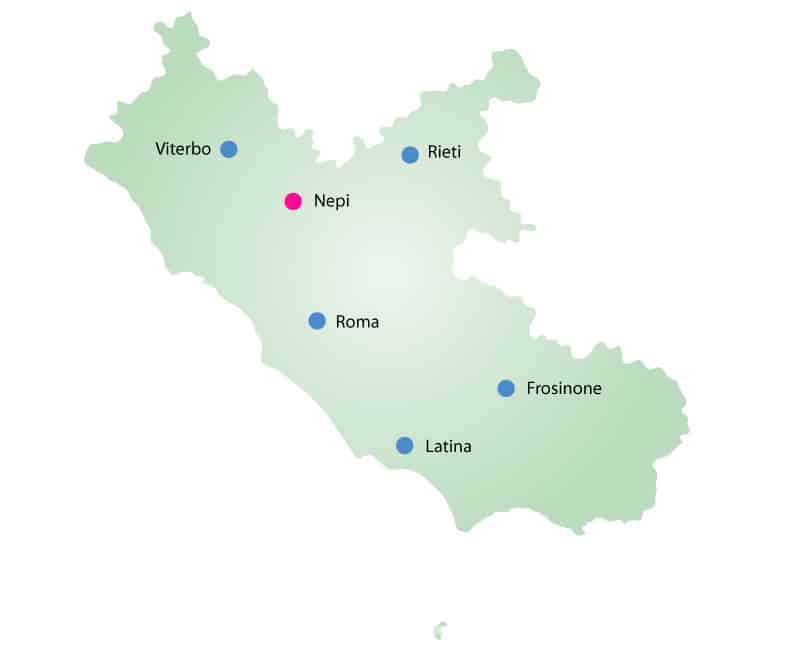
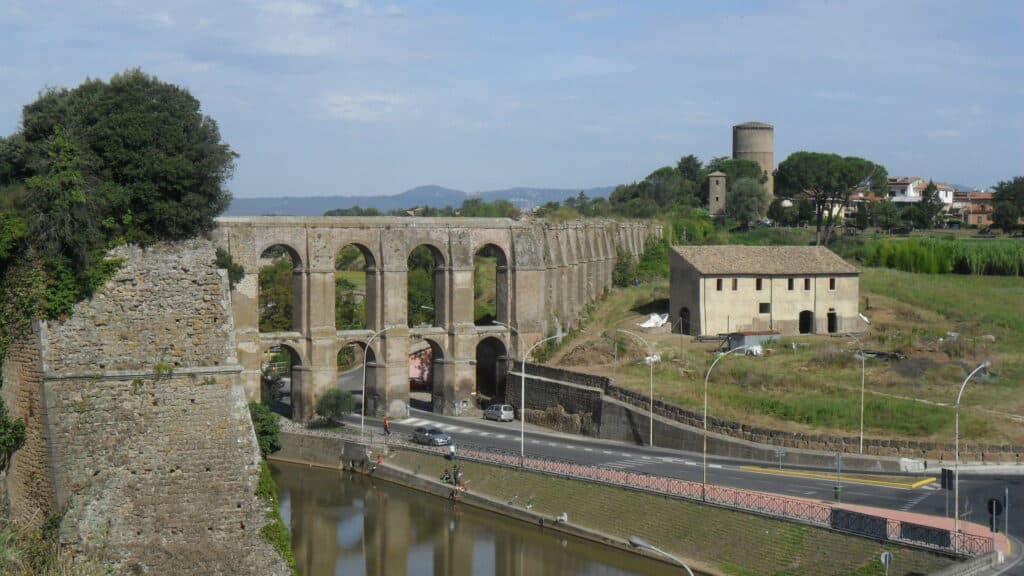
Situated between the Cassia and Flaminia consular roads, Nepi is a beautiful village with monumental buildings, well-preserved churches and a small Civic Museum that, with a simple exhibition apparatus, allows visitors to retrace the long history of the city from the Falisca age to the Renaissance.
But Nepi also preserves an uncommon naturalistic wealth, linked mainly to the geology of the territory and to the water that, over the millennia, has modelled the landscape, creating caves, waterfalls and gorges. Immersed in this luxuriant environment, it is possible to take a ring-route to discover the Cavoni, cuts dug into the tufa, certainly dating back to pre-Roman times. Most probably it was the Falisci - an Italic population that had penetrated the surrounding territory - who dug these trenches in the tuff, whose function is still uncertain. If some scholars lean towards a purely sacred purpose, almost as access corridors to the underworld, others think of a more 'earthly' role as water-cut-offs or more simply road corridors to connect Nepi to nearby rural settlements or cities such as Veio or Narce. It is certain that the Cavoni were used for this purpose until the 19th century when they were still crossed by mule. Today, lovers of nature walks can walk the entire route, which, in about an hour and a half, allows you to immerse yourself in damp stone corridors, mysterious tombs, rock carvings and ancient waterways.
