
28. Ciambella Scottolata di Cori
History
The recipe for the Ciambella scottolata di Cori dates back to the 1950s when a couple of inhabitants of the beautiful town, Luisetta and Quinto Ciardi, started running a small wood-burning oven in the centre of town with the aim of producing bread and pastries with the simple ingredients that the land made available to them (oil, sugar, flour, eggs, wine, etc.). For many years, Grandma Luisetta devoted herself to her baked goods, writing down in a diary all the procedures for their preparation. In the historic recipe book of 1973, rediscovered and jealously guarded by Mrs Barbara Ciardi, is the recipe for the ciambella scottolata, which is prepared, still today as then, scrupulously following Luisetta's instructions.
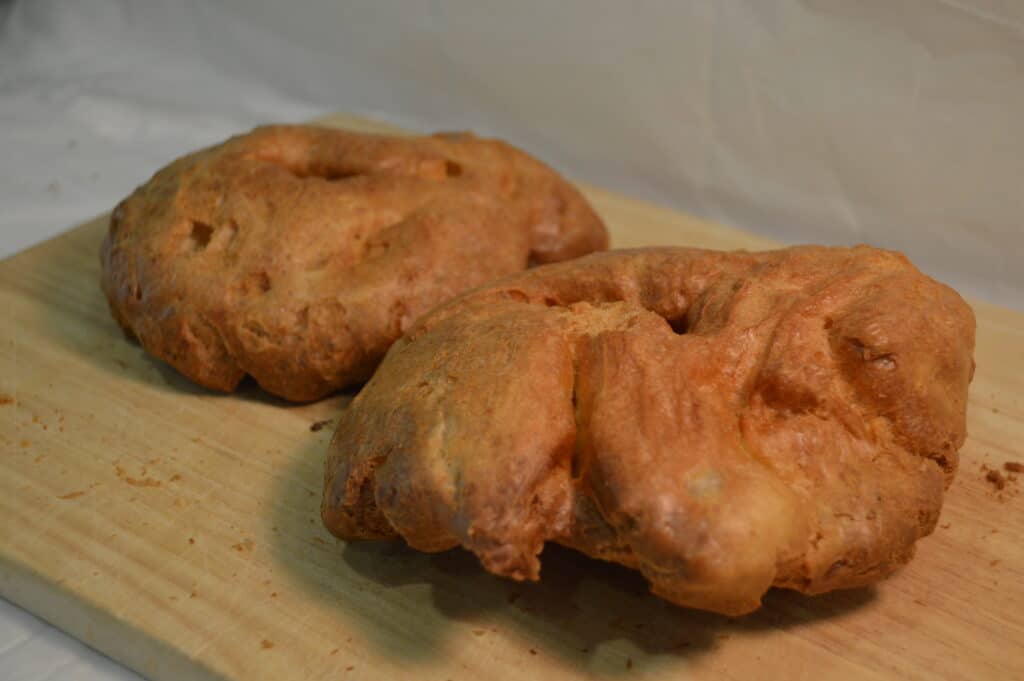
The few simple ingredients, such as 00 flour, eggs, extra virgin olive oil and sugar, are kneaded the night before and left to rise for about 12 hours. The next day, the mixture is kneaded again with the addition of oil, then placed on a marble surface to be worked. With skilful craftsmanship, strands of about 15 cm are obtained (on which three cuts are made to obtain the idea of a flower), which once closed take the shape of doughnuts. After a short rest on wooden boards, the doughnuts are cooked. The term 'scottolate' derives from the technique used to bake these cakes, which according to the old recipe must be twofold: the first consists of blanching in water, 'scottolatura, scottolata' in dialect, while the second involves actual baking in the oven.
The product
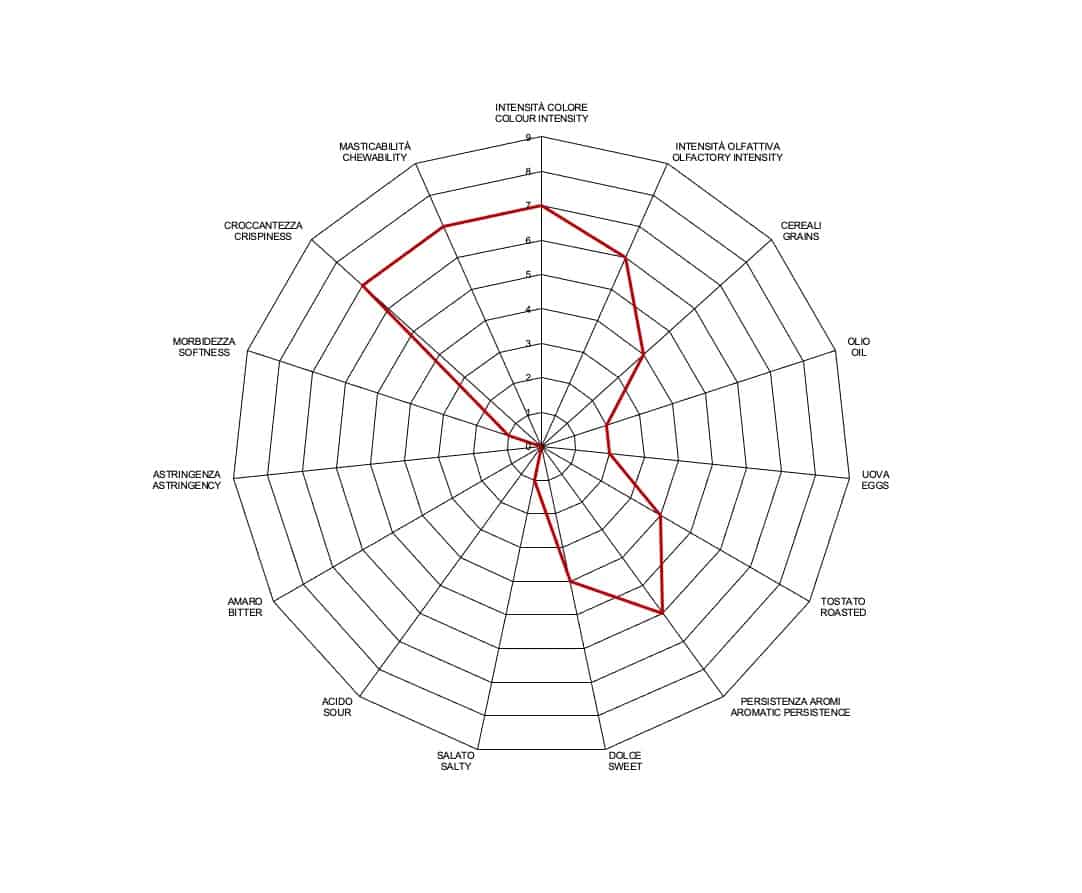
The Ciambella scottolata di Cori, characterised by its large round flower shape, has a uniform brown colour. Its high olfactory intensity is characterised by notes of flour, oil and egg, combined with hints of toast. The taste is sweet with a slight salty note. Good crunchiness and medium aromatic persistence.
CORI AND ITS LONG HISTORY
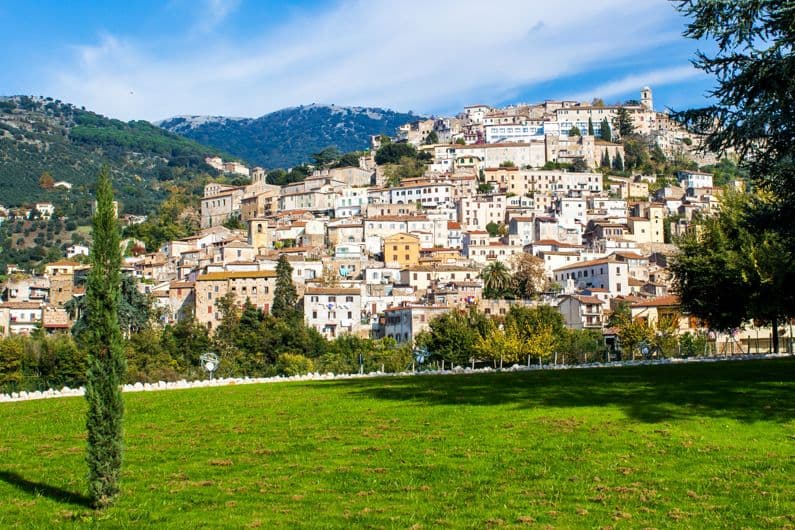
In an elevated position above the slopes of the Lepini Mountains, at an altitude of 400 metres above sea level, lies this beautiful village rich in history. According to legend, the foundation of Còra is linked to the name of Dardanus, a Trojan hero. Historically, however, archaeological remains document that the area was already inhabited during the Bronze Age. A rich and flourishing Latin city, after the Roman conquest, it was a federated city and then municipium, thus maintaining its political and administrative autonomy. It is possible to see important evidence of this ancient past and later periods, walking through the medieval alleys and between one religious monument and another.
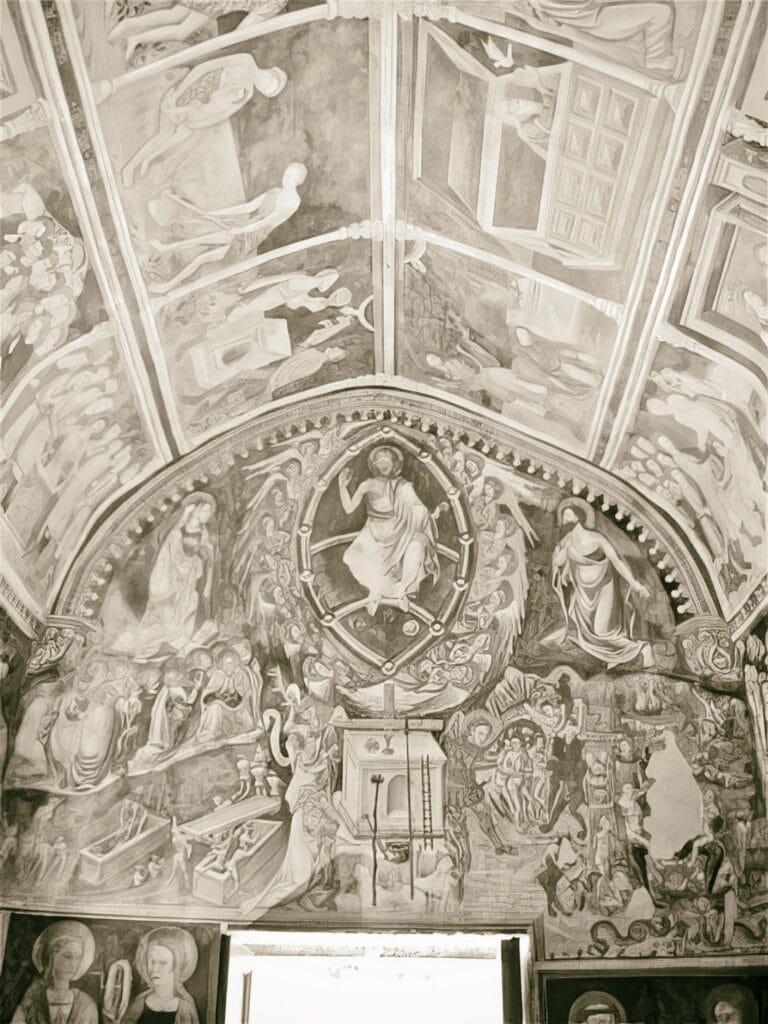
The village is dominated by the splendid bulk of the Temple of Hercules, of Doric order and dating back to the 1st century B.C., whose perfectly preserved columns and entablature catch the visitor's eye as soon as he arrives in Cori. Dated between the 6th and 4th centuries B.C., the polygonal walls that must have surrounded the Latin city, are today preserved for two kilometres together with some bastions and the three gates, Signina, Ninfina and Romana from the names of the cities towards which they were directed (Segni, Ninfa and Roma). Inside the town are authentic gems such as the Roman Forum, the Temple of Castor and Pollux, and the Roman Ponte della Catena. But also worth a visit are the medieval buildings such as the Porticato and the Church of Sant'Oliva and the Church of Santa Maria della Pietà and the Chapel of the Annunziata with its splendid frescoes.