

22. Zeppolone of Spigno Saturnia
History
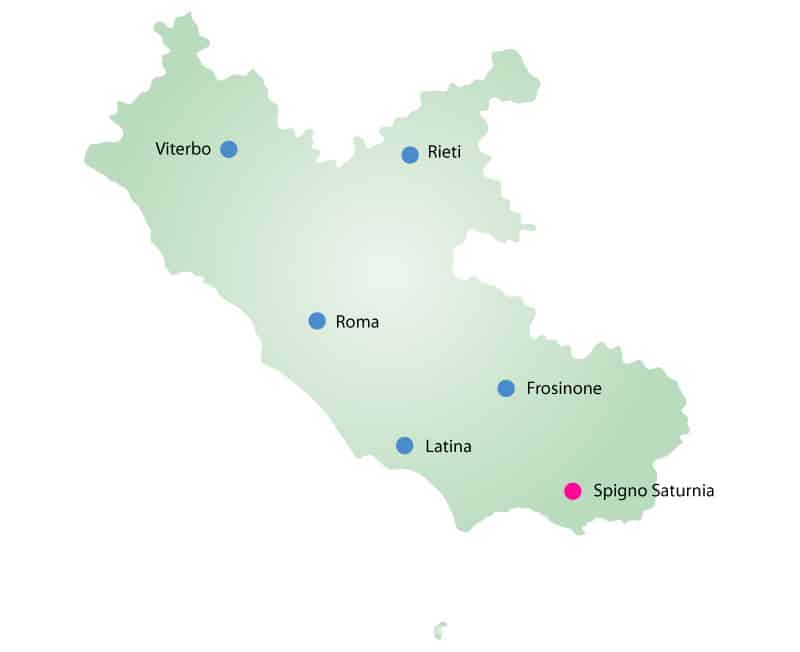
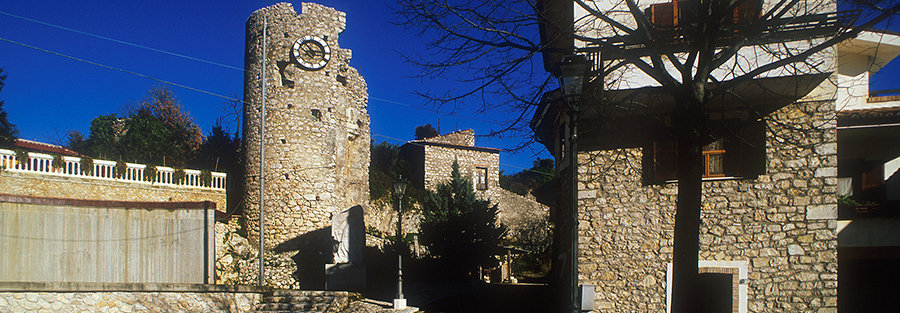
In this small municipality of southern Lazio, located in a panoramic position within the Monti Aurunci Natural Park, this chicory omelette of ancient tradition is prepared, with its round shape, variable weight and local ingredients. The recipe calls for the chicory to be first cooked, then squeezed out, finely chopped and placed in a large frying pan, known locally as a 'sartagna', over a sauté of oil with mint. To obtain the round and compact shape, in addition to the help of a fork, flour must be sprinkled on both sides to thicken the omelette.
The original recipe was to use not only chicory but mixed field herbs. In fact, wild herbs, harvested seasonally, must have been an important food resource for rural populations as early as the Middle Ages, while their use was only codified and consolidated later by the learned Benedictine monks of the nearby monastery of Montecassino.
The term 'Zeppolone' is first mentioned in a 17th-century writing, written in late Latin by the deacon Pelagius, which suggests a close connection with the use of flour, and which may perhaps explain how the term zeppola came to refer much more commonly to fried, flour-based doughs, both sweet and savoury. It is certain, however, that the recipe called for the use of flour, since it seems that in the 1700s the inhabitants began to use local corn flour, more productive than wheat, but still able to guarantee the thickening of the dough.
The product
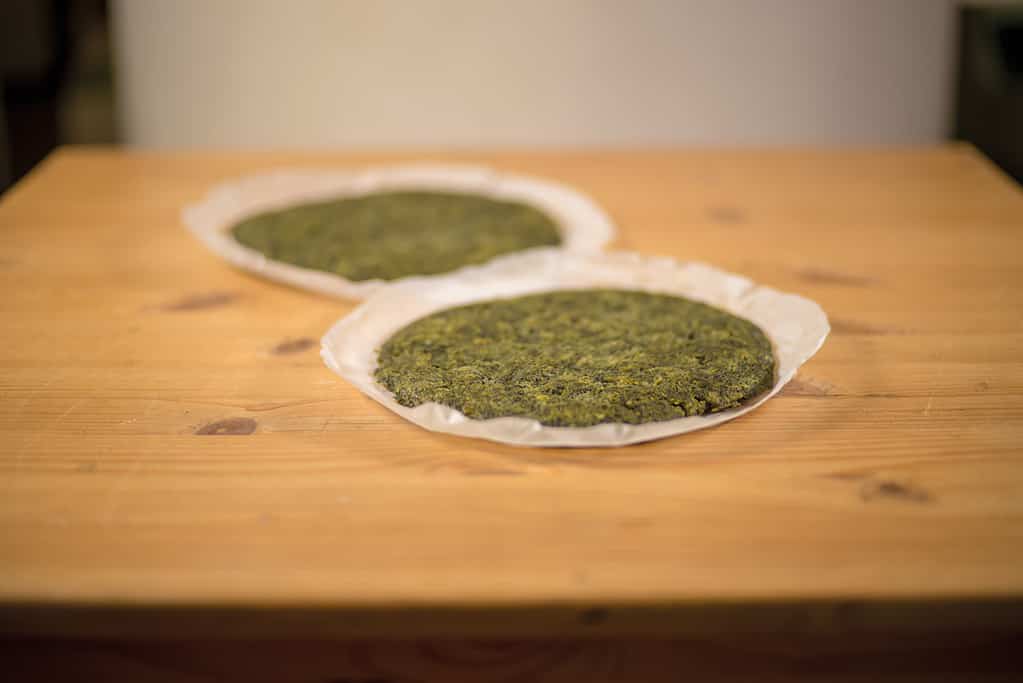
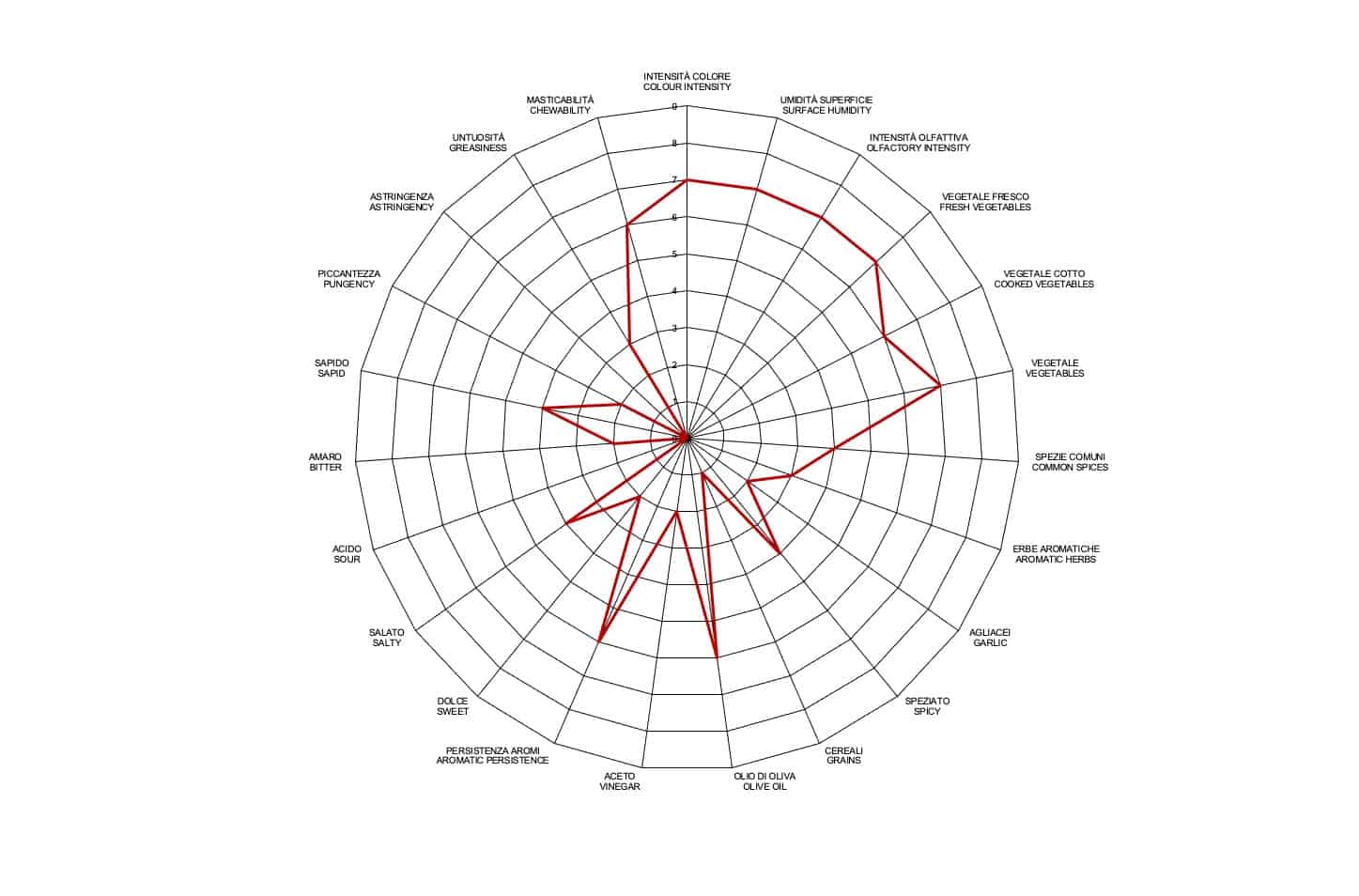
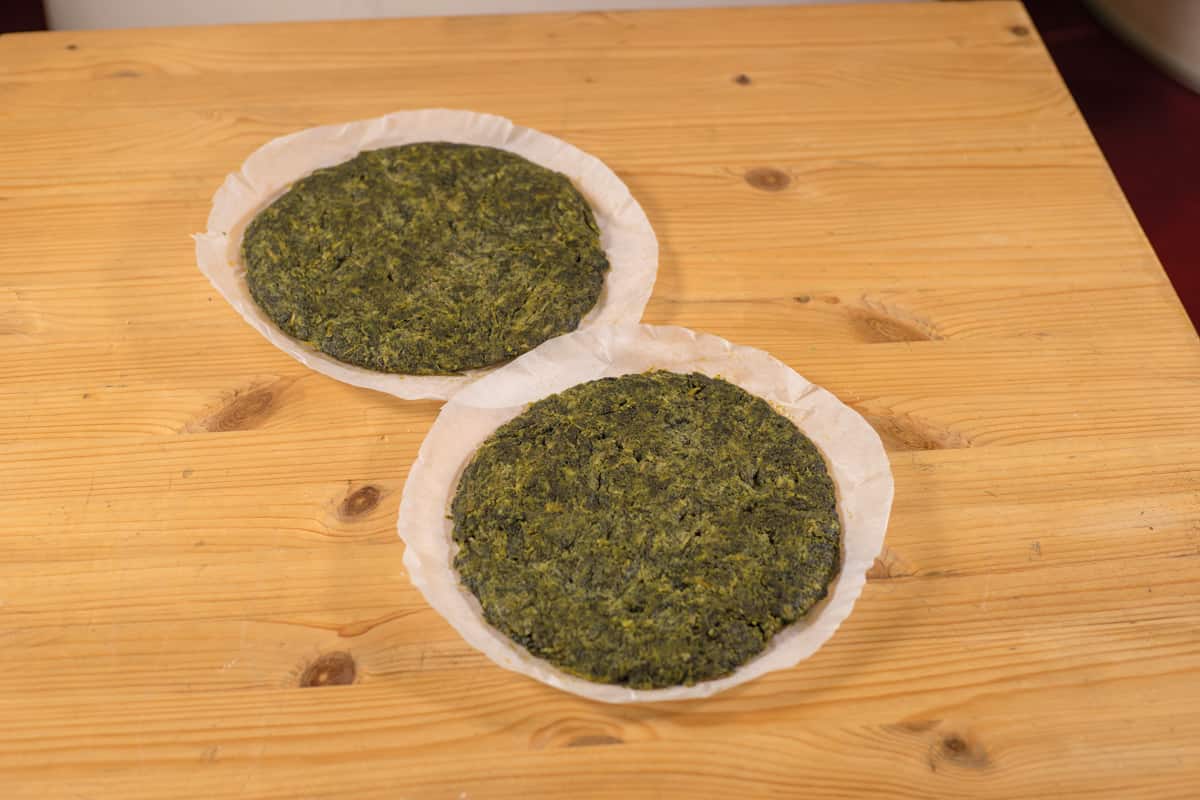
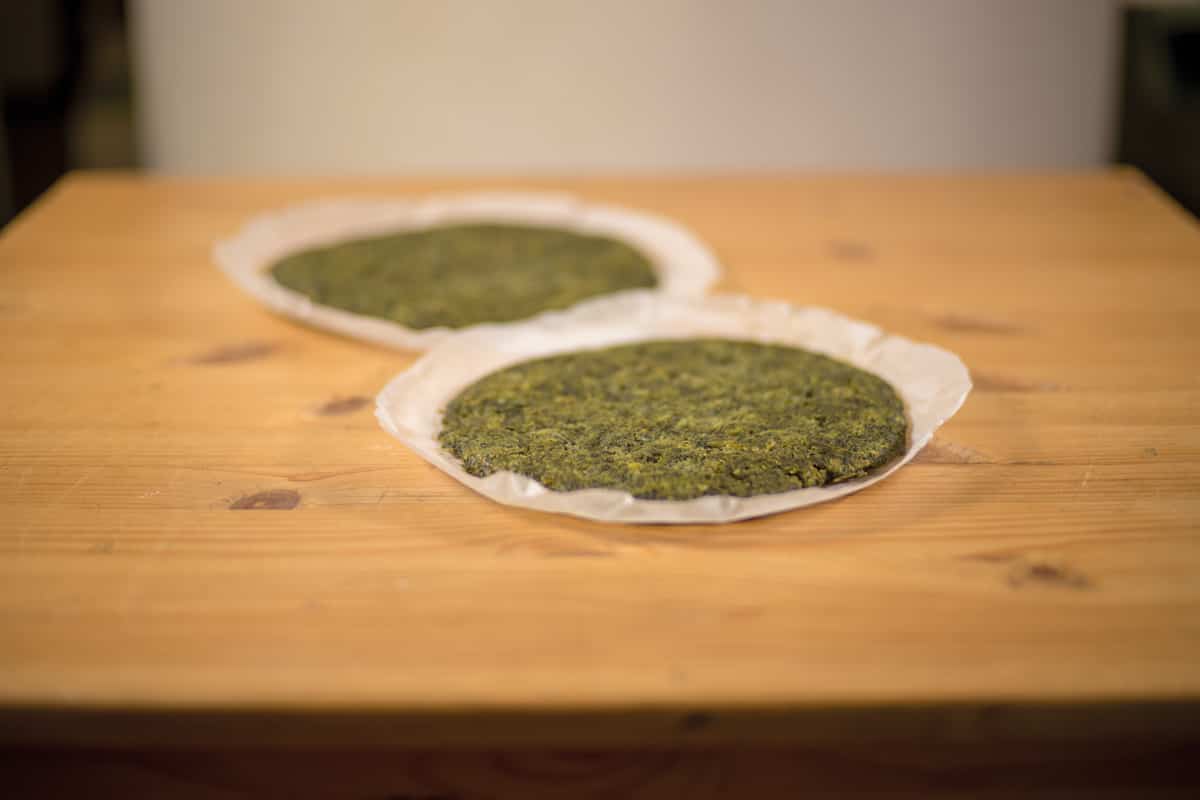
Zeppolone has a round shape and an intense green colour. Its high olfactory intensity is characterised by strong notes of extra virgin olive oil, vegetal notes of chicory and garlic, aromatic notes of mint, spicy notes of chilli pepper combined with hints of vinegar. The taste is harmoniously salty and savoury with balanced sweet, sour and bitter notes. Good consistency and aromatic persistence.
PROF. GIUSEPPE NOCCA RECOUNTS THE ZEPPOLONE OF SPIGNO SATURNIA
Professor Giuseppe Nocca, agronomist and lecturer in the History of Food, describes Zeppolone as a poor recipe, of peoples on the move precisely because of the absence among the ingredients of the egg, which is instead an indication of sedentariness. According to his studies, the origins could be linked to a Molise recipe based on corn and chicory, a kind of polenta mixed with field vegetables. Being a popular recipe, it is in fact possible to search for its origins among neighbouring preparations: 'a dish in fact never originates on its own, but through the addition or depletion of ingredients, and therefore through similarities or differences it is possible to reconstruct its historical path'. 'The particularity of Zeppolone,' the professor continues, 'is the territorial exclusivity held by Spigno. This recipe and its name are known only to those who live within a 5 km radius of the town centre. Another curious thing is the fact that this omelette has always been made exclusively at home: it is such a traditional dish that it is only eaten in private homes'. To confirm this, the professor recalls that in Spigno only one farmhouse prepared it for its customers. The path to De.Co. recognition was singular precisely because, in order to safeguard its absolutely local origin, the preparation of this recipe had to be exported from private to professional kitchens, asking Spigno's restaurateurs to introduce it on their menus.