
18. Roncoletta of Labico
History
Labico peas, also known as 'Roncolette Labicane' due to their curved shape (a 'roncola' in fact), are an ancient and traditional product. Since ancient times, the pea required laborious cultivation: it was sown in small vegetable gardens supporting the plant with the infrascatura technique, i.e. the use of wooden supports, so that the Labico landscape was characterised by small vegetable gardens. The production of Roncoletta gained great notoriety at the beginning of the 20th century, so much so that in the 1930s this area was the subject, under the fascist regime, of experiments to increase its productivity. In those years, the traditional Sagra dei Piselli (Pea Festival) also developed: in June, a parade of floats decorated for the occasion was held, involving the entire population of the village. Later, with the progressive urbanisation of the rural population, the laborious cultivation of Roncoletta also slowly disappeared. Today, a process of recovery is underway and the seeds of the Labico pea have resumed being cultivated in the vegetable gardens of Labico.
Sowing takes place on the volcanic soil between November and February, placing the seeds belonging to local dwarf pea ecotypes of the Verdone, Scarafone and Ortolano varieties in the furrows and covering them with a thin layer of soil. The technique of 'infrascatura' is still used today, allowing these leguminous plants, whose branches climb on wooden supports, to reach a height of about 50 centimetres. The 'scalar' harvest is carried out in June, cutting the pod from top to bottom and when the seed is ripe enough.
The product
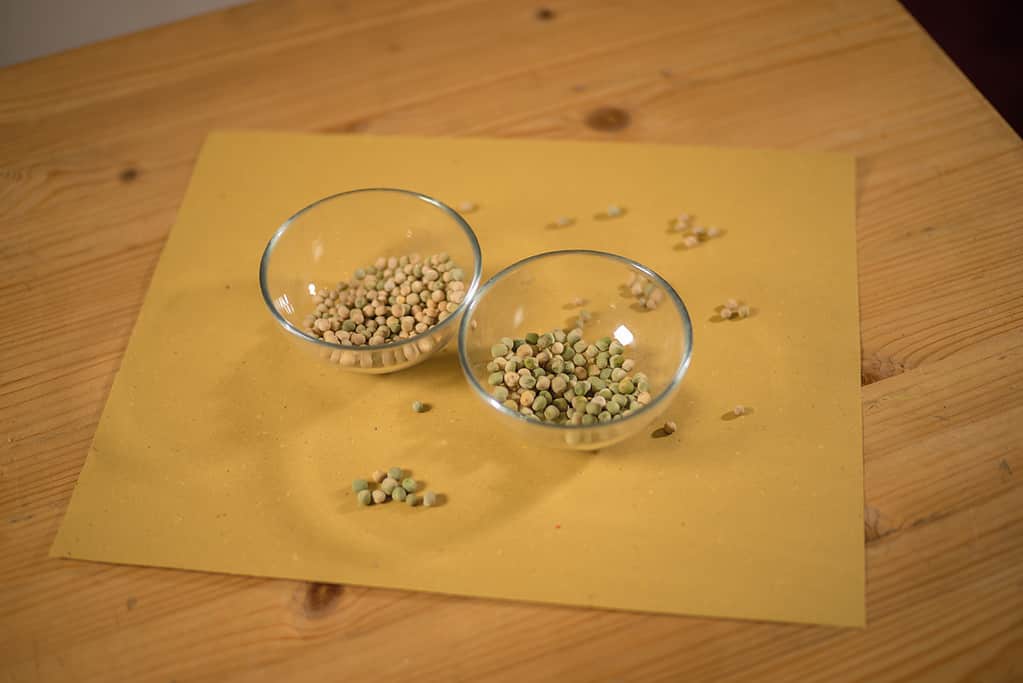
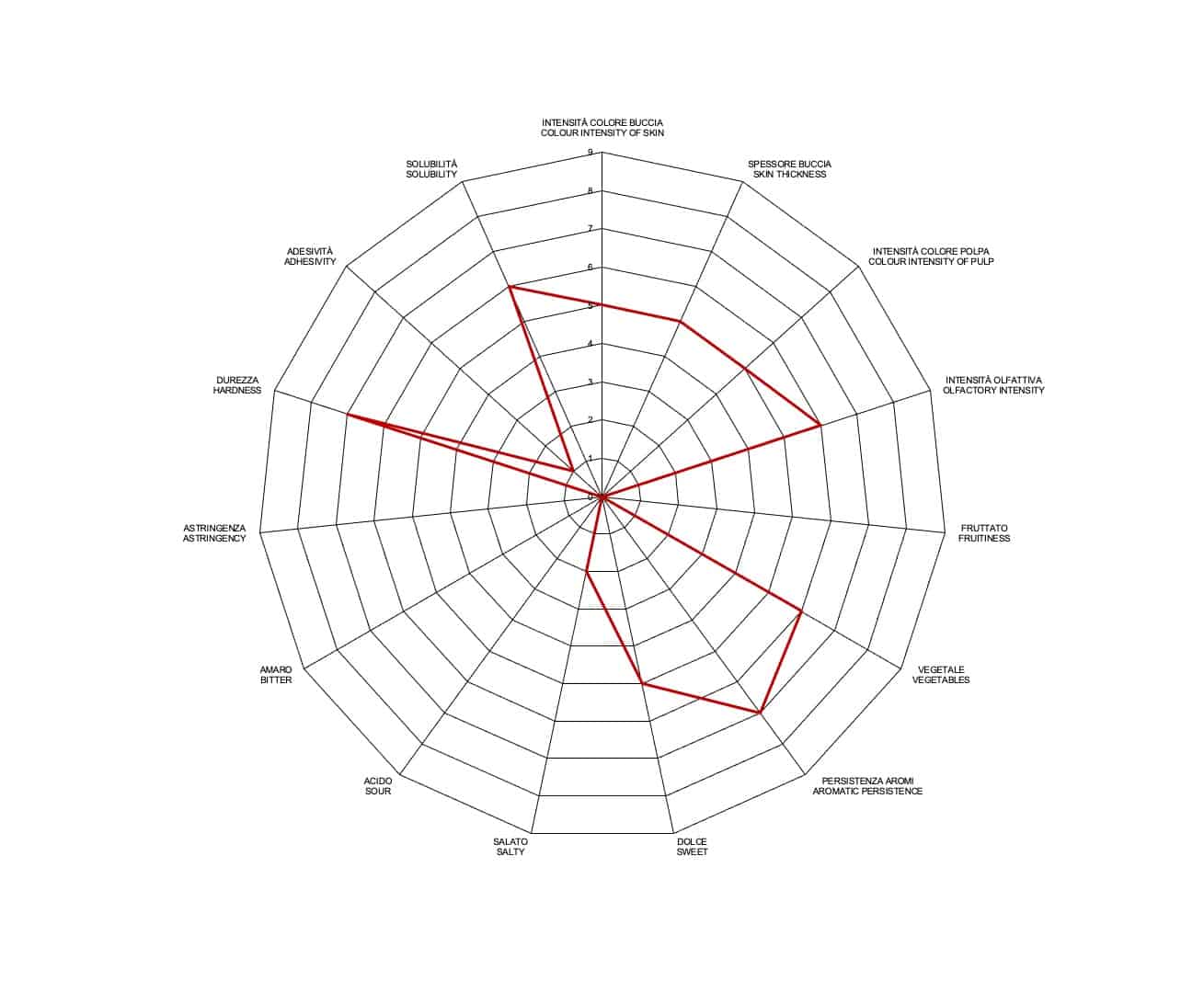
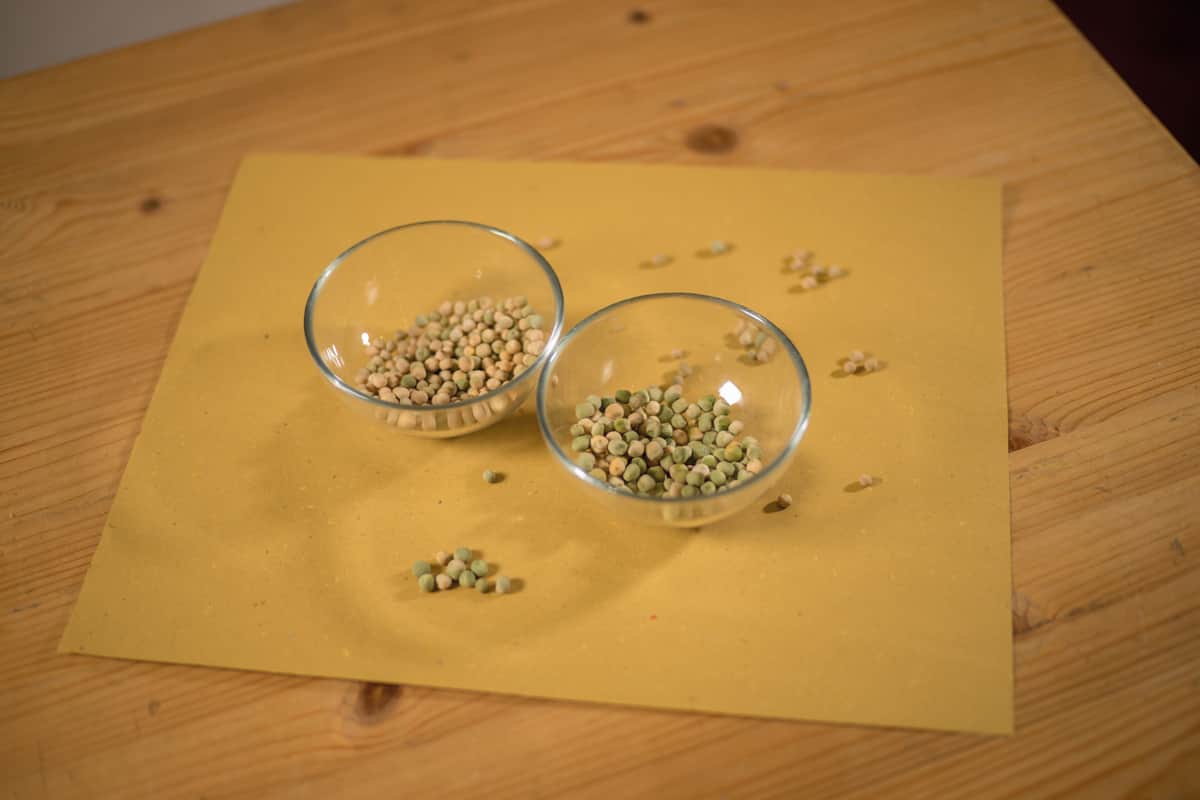
The Roncoletta Labicana, or Labico pea, is beige to light green in colour and is characterised by high integrity after cooking. Its high olfactory intensity is characterised by vegetal notes. The taste is sweet and slightly salty. Good consistency and solubility.

BENEDETTO PARIS, COUNCILLOR FOR PRODUCTIVE ACTIVITIES OF THE MUNICIPALITY OF LABICO
Benedetto Paris explains how the Roncoletta is one of the products that Labico is focusing on the most, in terms of enhancing and improving production.
'It is a path that has been going on for three years. It started with small producers and continued with the municipality, which wanted to undertake the arduous work of recognition, obtaining De. Co. status in 2018, the inclusion of this characteristic legume in Slow Food's Ark of Taste in 2020, and aiming for the participation of producers in the Food Innovation Lab next year. Also on the agenda is the start of the procedure for recognition as an indigenous genetic resource. For the future, the collective commitment is to focus on improving agricultural production, which is the basis of all potential development'.
Another issue worthy of development, according to the councillor, is product conservation. The Roncoletta, in fact, tends to lose its main characteristics already a week after harvesting. The work to be done with the companies, therefore, is to experiment with the best techniques, such as drying or creating creams and patés.
'There is a lot of passion behind it,' concludes Paris, 'accompanied by a desire to bet on typical excellence. The focus, at the moment, is not on the revenue aspect, but on how to support quality agriculture that can transform a niche product into an economic resource for the entire Labica area."
