11. Ventotene lentil
History
The lentil, originally from Syria but widespread throughout the Mediterranean basin, has very ancient origins. Lentils are mentioned in the Bible, and it is certain that they were widely consumed by the Greeks and Romans. Due to its nutritional values, it is still considered a very valuable food because it can replace meat and more expensive foods.
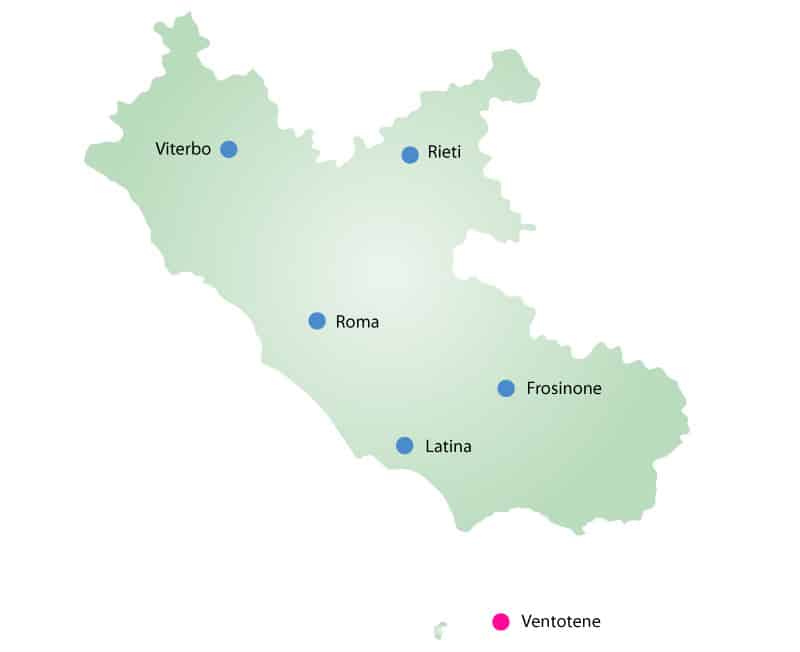
Although the cultivation of lentils on the island of Ventotene may date back to Roman colonisation, the first documented records date back to the early 19th century. Since then, such an intensive cultivation was practised on the island that it even reached 1,500 quintals per year and was exported to the mainland. In the immediate post-war period, following the gradual abandonment of the island, the production of this legume declined sharply until it became a purely family-based crop.
For a few years now, however, some local farmers have decided to take advantage of the island's fertile volcanic soil and adopt ancient traditional methods to bring this authentic product of excellence back into vogue. Sowing takes place between December and February. The plants of these leguminous plants are cultivated until, with their climbing, branching stems, they reach a height of about 50 cm and produce pods with one or two round, flattened seeds. In June, when the plants have dried, they are 'mugged', the manual uprooting. This is followed by beating with the vivillo and cleaning, known locally as 'scogna'. Finally, with the help of the wind, the straw is separated from the seeds and the final harvest is carried out.
The product
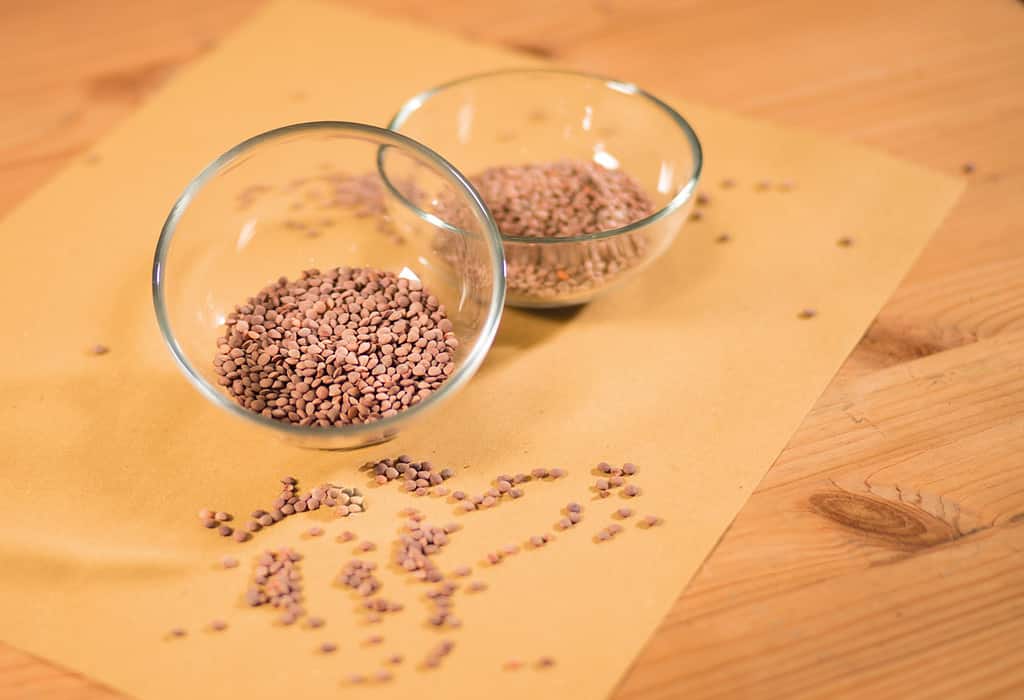
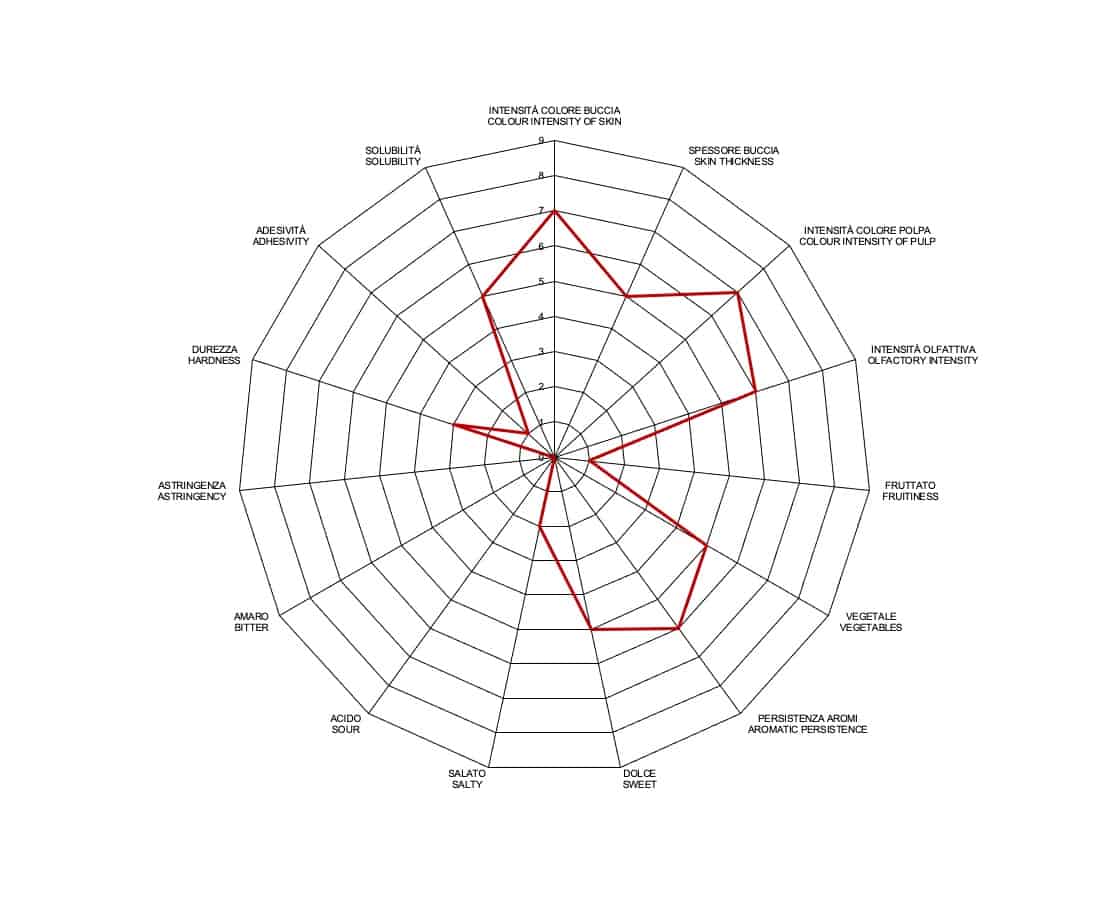
The Ventotene Lentil has a more or less intense brown colour and is characterised by high integrity after cooking. Its high olfactory intensity is characterised by vegetal notes. The taste is harmoniously sweet. Good consistency and solubility.
MATTIA MATRONE, ORGANIC FARM CINQUE TOMOLI
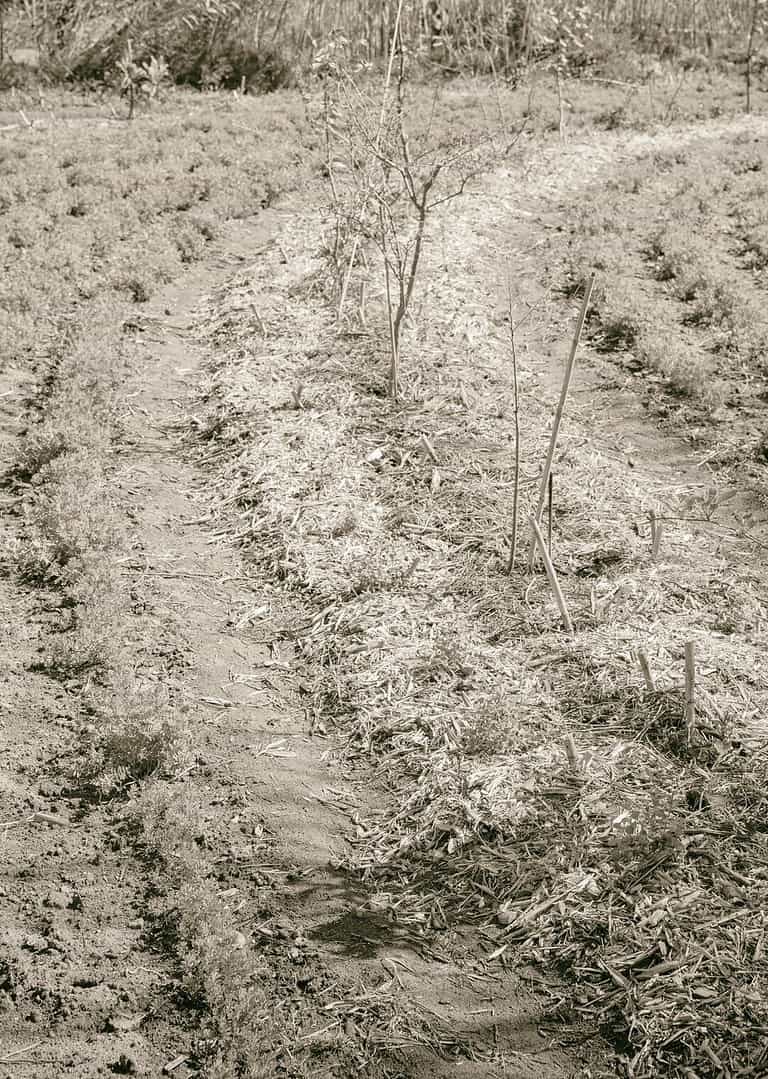
'I am currently the only organic lentil producer on the island'. This is how Mattia Matrone, owner of the Azienda Cinque Tomoli, begins. He focuses everything on biodiversity or, as Mattia himself specifies, on syntropic agriculture. This young but knowledgeable farmer, in fact, follows a system of synergistic cultivation, whose fundamental technique is to let the soil be autonomous in terms of nutrition and water (avoiding hoeing, ploughing or fertilising) but also capable of producing as much as a soil worked with modern techniques. The aim is to stop exploiting the soil, allowing it to be enriched and regenerated.
Originally from one of the families that repopulated the island after the Second World War, Mattia decided to dedicate himself to farming after receiving from his maternal grandfather the first five 'tomoli' of land (an ancient Bourbon measure of about 1.5 hectares), hence the name of the company. Its structure, which even has an underground cellar dug into the tuff, overlooks the sea and offers a breathtaking view of the island of Ponza. In this splendid location in summer, agritourism hospitality is offered, as well as tastings of typical products. All year round, instead, on the farm Mattia cultivates, in addition to the famous lentil, other legumes, vegetables and ancient fruits, all products characterised by unique organoleptic properties and therefore deserving of greater protection and promotion.