

10. Gran Cacio di Morolo
History
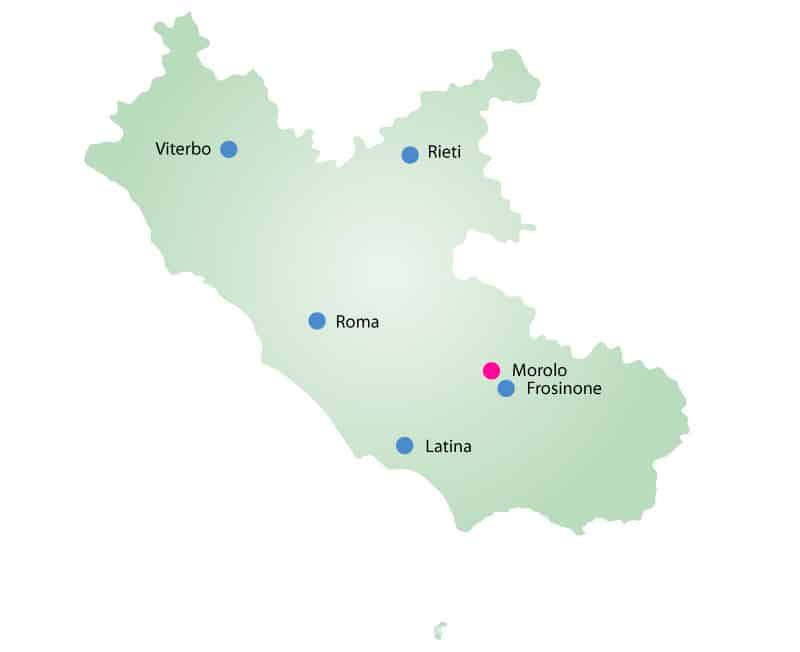
The production of Gran Cacio di Morolo dates back to the beginning of the last century, and more precisely to 1933, when in an old manor house at the foot of the Lepini Mountains, Pietro Scarchilli gave birth to the company of the same name and the recipe for this prized cheese. Its origin is thus claimed by the ancient village of Morolo, founded in 210 B.C. following the defeat of the Ferentinesi by Hannibal. The village is also mentioned in Pope Urban II's bull of 1088 with which the bishop of Anagni received possession of the Oppidum Morolum. The production of this cow's milk cheese is characterised by strictly artisanal processing - such as the smoking technique through treatment in special chambers - and the use of traditional tools, such as the wooden mastella. The ingredients used also strictly comply with the ancient recipe: milk only from cow herds in the provinces of Frosinone and Latina, calf rennet and sea salt. Every single product is made by hand in all the various production phases: from the curd to the spinning, from the moulding to the salting in integral salt solution. After a few days, the product is smoked, at a low temperature, by burning beech wood shavings, then cured for up to 18 months.

The product
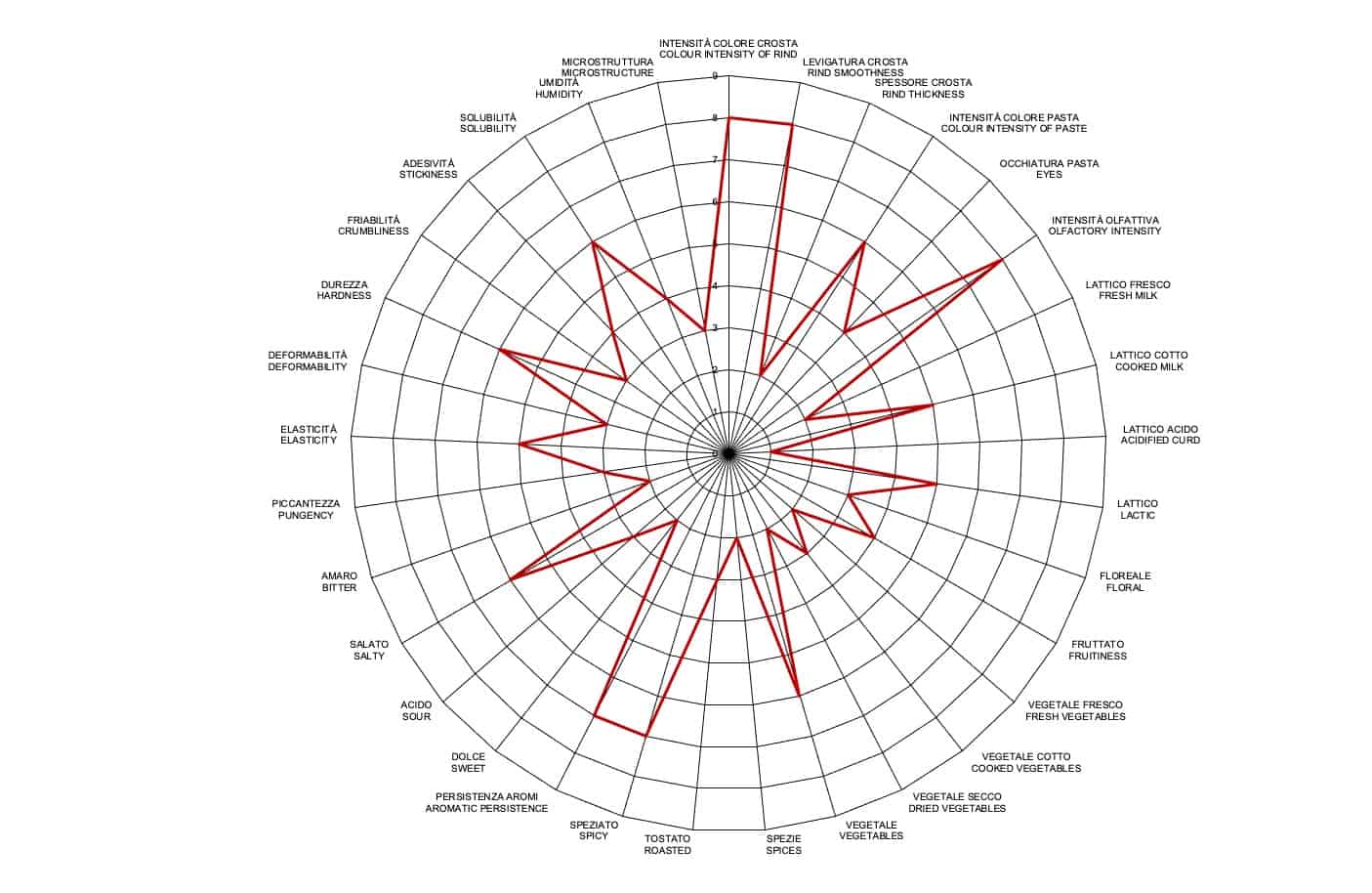
Gran Cacio di Morolo is a smoked spun-curd cow's milk cheese with a characteristic caciocavallo shape and matured, depending on size, from 5 to 18 months. The thin, smooth and more or less intense brown rind encloses a straw-yellow paste. On the nose, notes of cooked lactic acid accompanied by hints of cooked vegetables, dried fruit and smoked meat stand out. The taste is slightly sweet and acidic, moderately salty and with a slight bitter note due to the smoking. Good solubility and aromatic persistence.
MOROLO: A CHARMING VILLAGE ON THE SLOPES OF THE LEPINI MOUNTAINS
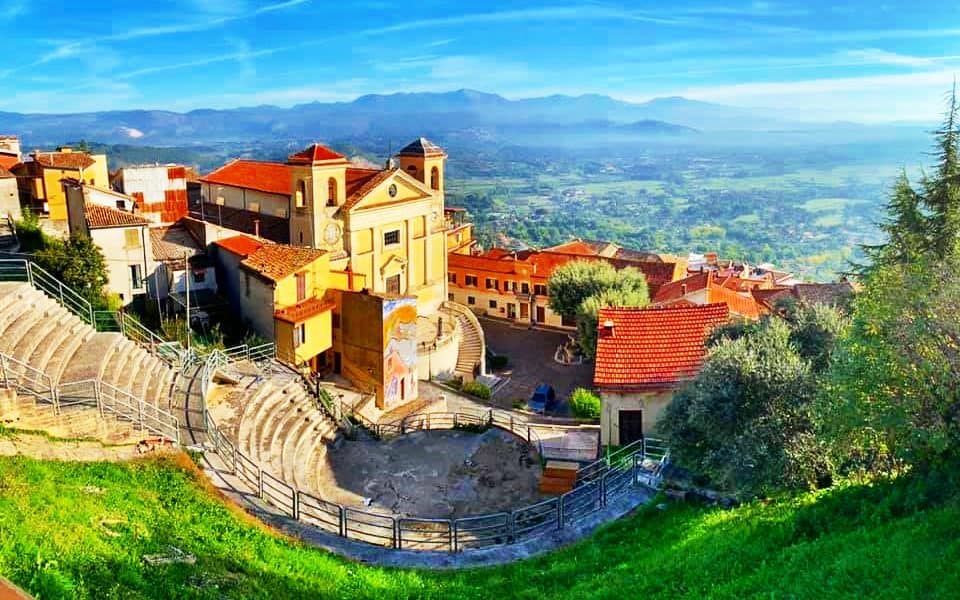
The small village of Morolo, whose ancient origins can be traced back to Roman times, retains a medieval layout dating back to the 13th century when it was dominated by the wealthy Roman Colonna family.
The upper part is certainly worth a walk through the maze of narrow alleys and up and down alleys and a careful look at the portals and small squares up to the scenic Collegiate Church of Santa Maria dating from the mid 17th century. In a dominant position over the whole village and surrounded by greenery is the Castle, closely linked to the vicissitudes of the Colonna family, of which important remains can still be seen.
The large Church of Santa Maria Assunta, built in 1642, with its two side bell towers marking the entrance, preserves a bronze door and a valuable statue of Saint Francis praying inside. While the six side chapels are embellished with frescoes and decorations depicting Saint Hyacinth of Krakow, Saint Agatha, Saint Charles Borromeo and Saint Francis. Inside the cemetery church, called Madonna del Piano, there is a splendid fresco of the Madonna and Child from 1640. In addition to the works of the past, there are more modern murals, works by artists Mario Rosati and Mario Fiaschetti, decorating the façades of numerous buildings, dedicated to the theme of emigration. Finally, outside the village, archaeological remains are preserved, including sections of ancient polygonal walls in contrada Casali and remains of Roman villas in contrade Cona, Colle della Corte, Fontana del Muriglio and Madonna del Piano.
