
01. Red Garlic of Castelliri
History
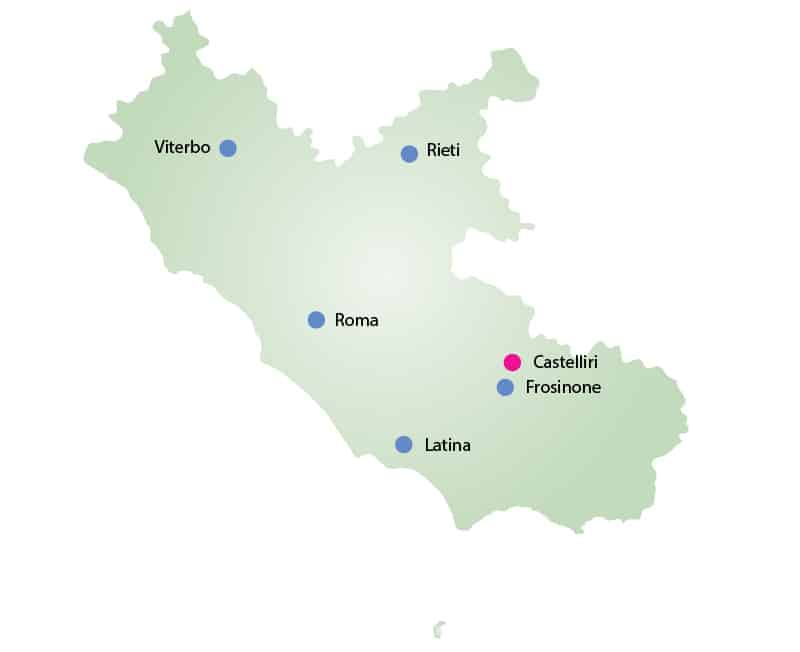
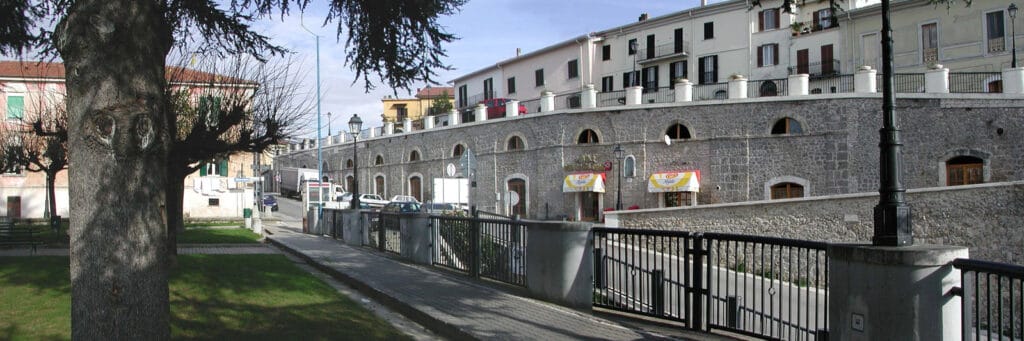
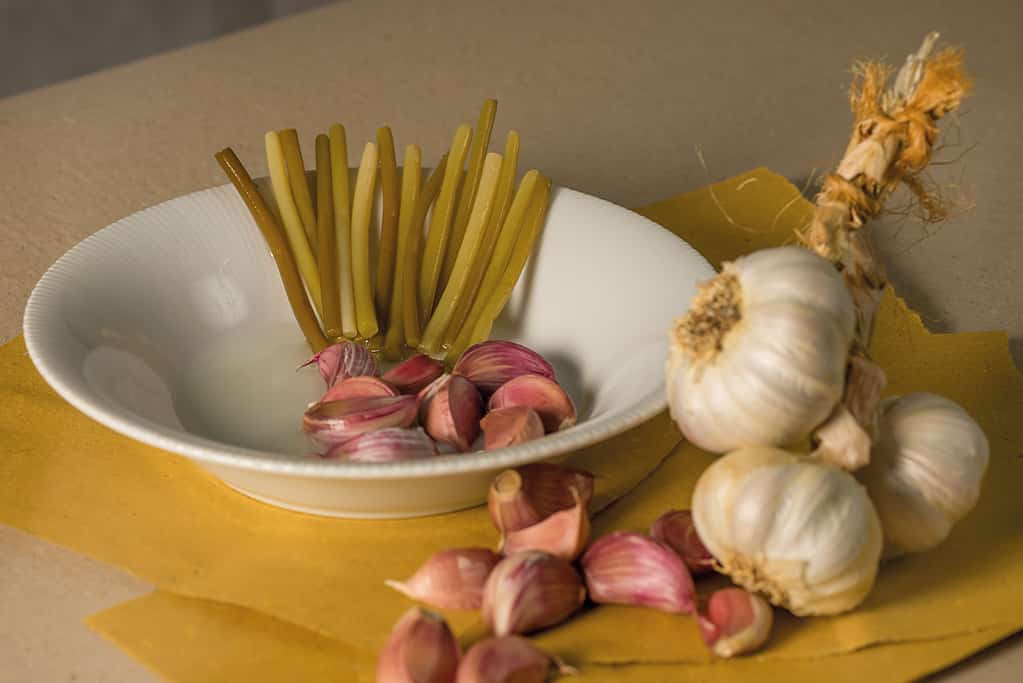
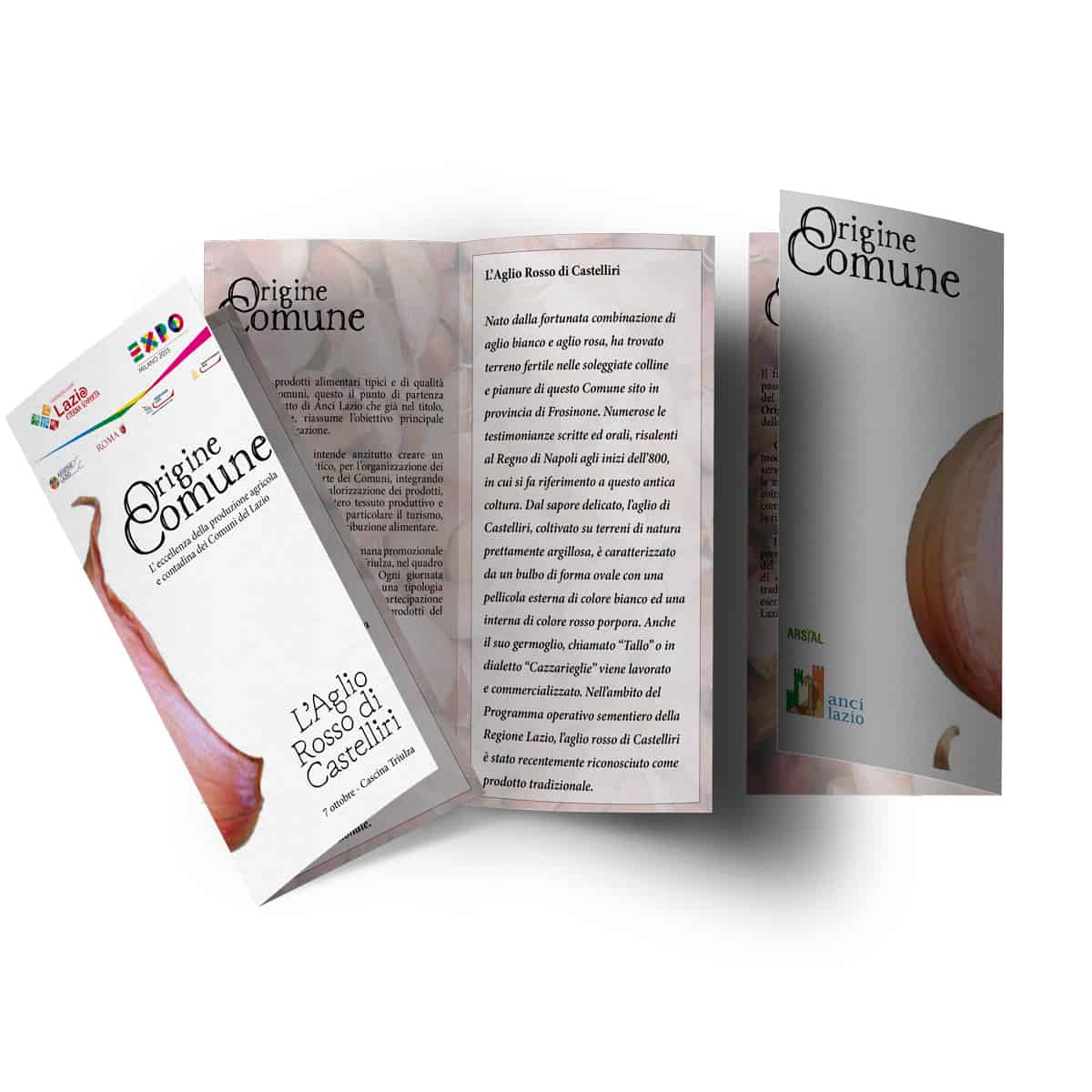
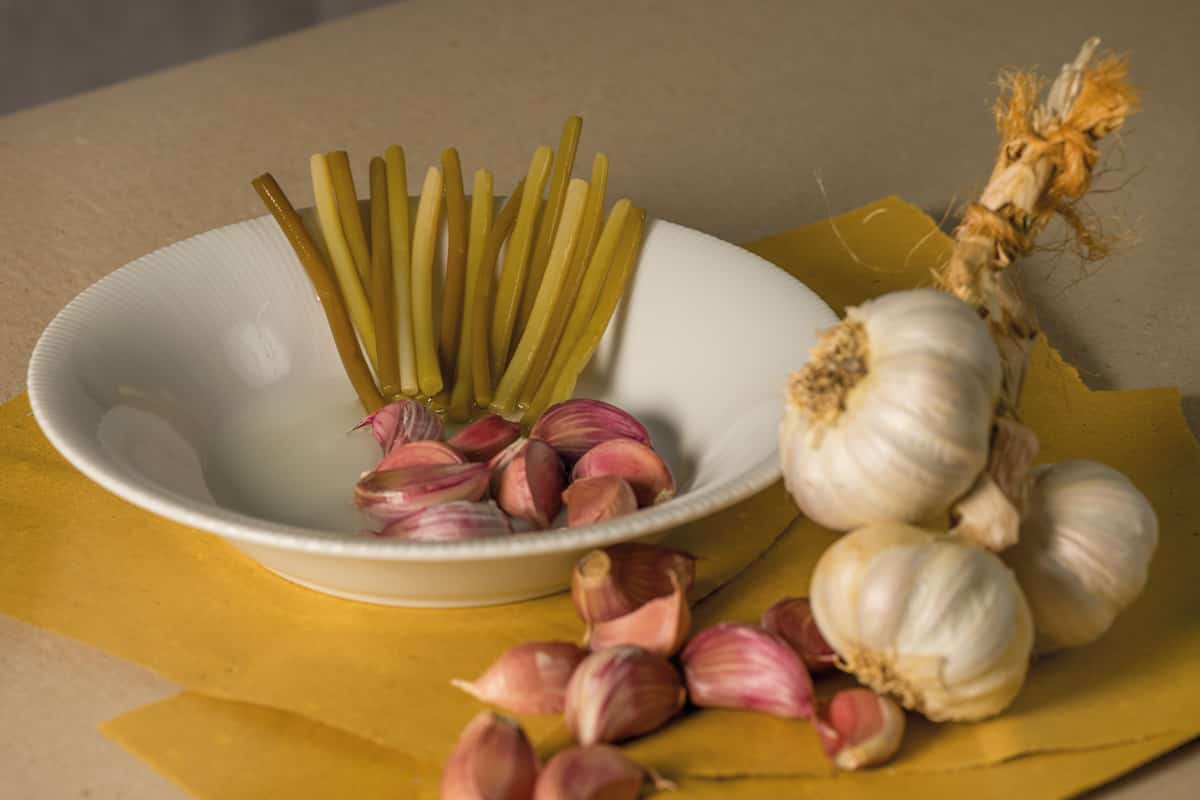
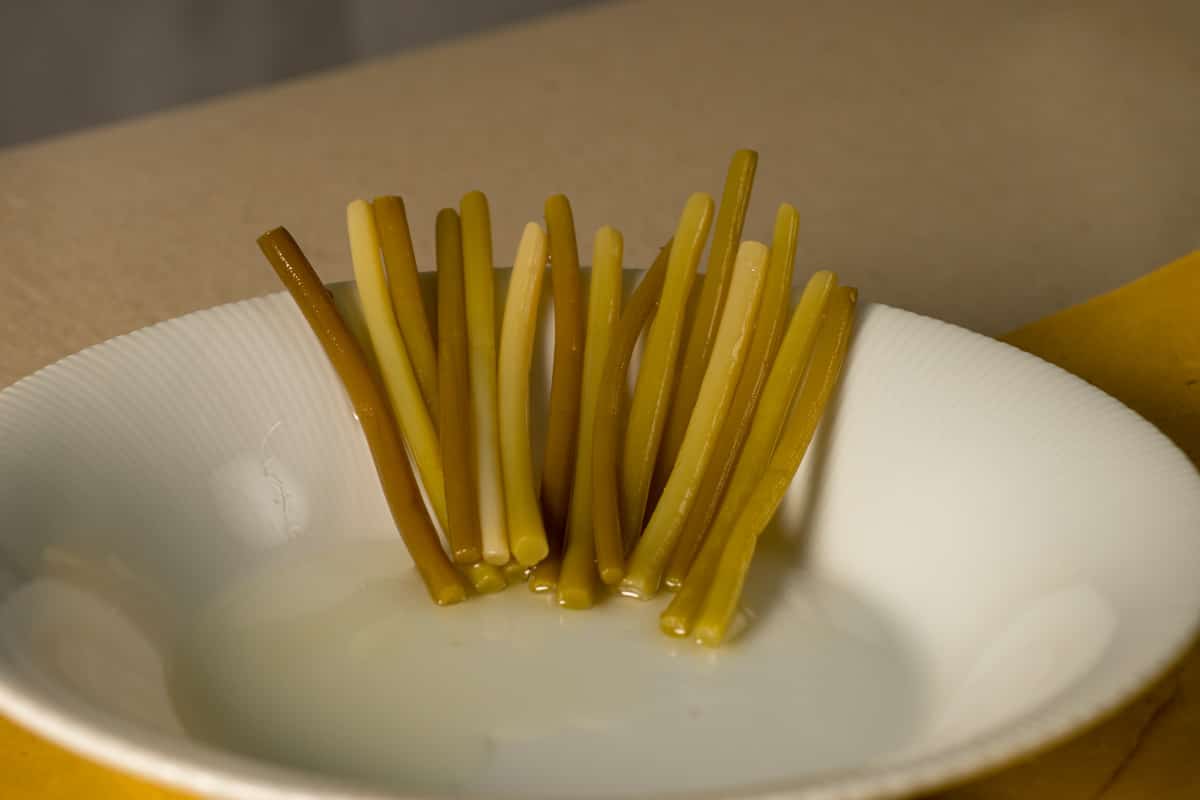
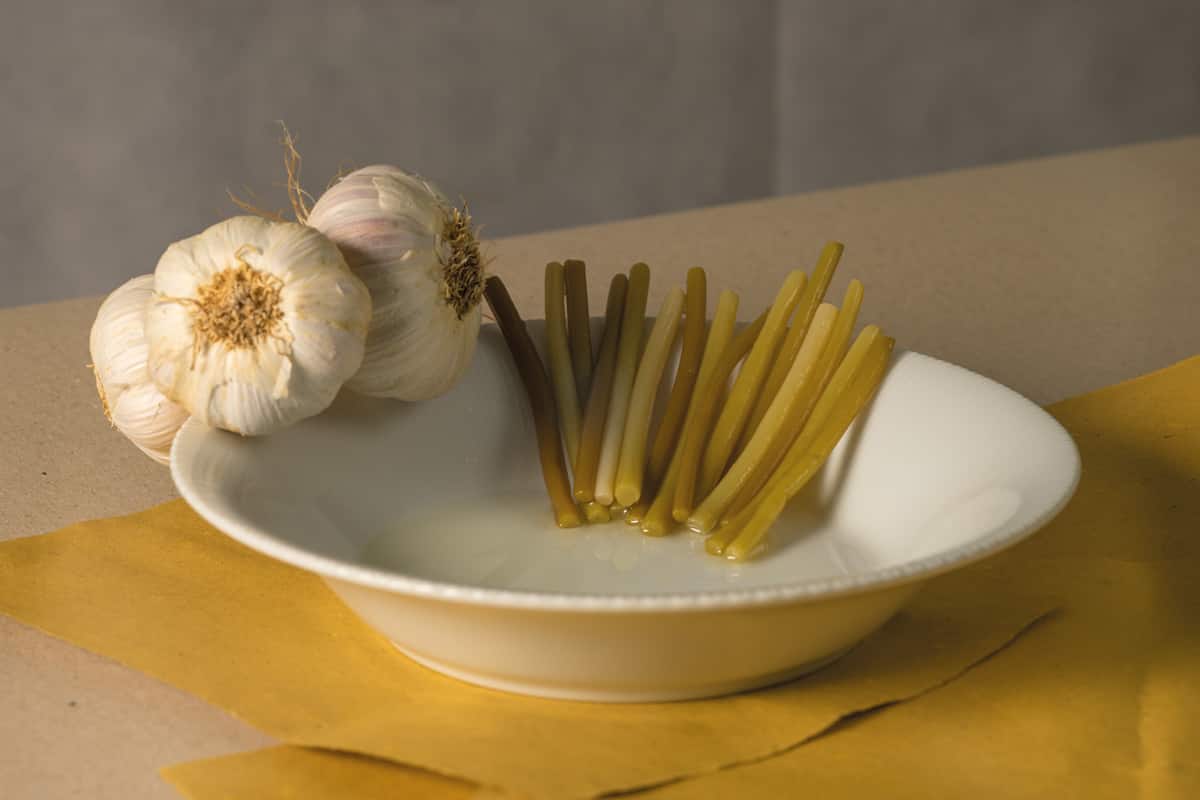
The red garlic of Castelliri, a local ecotype of Allium Sativum L., born from the fortunate combination of white garlic and pink garlic, has found fertile soil in the sunny hills and plains of this municipality in the Frusinate area, where it has been cultivated since ancient times. From the beginning of the 19th century, extensive documentation from the Kingdom of Naples refers to this crop. At the time, in fact, the municipality of Castelliri, part of the Sora district in the province of Terra di Lavoro, had assumed a strategic role in the garlic trade routes to the capital of the Kingdom. The methods of growing, processing and preserving the product still respect traditional times and methods. Sowing, on purely clayey soil, takes place from mid-November until December; harvesting by hand, using a spade, takes place in June. The dried plants are gathered in bunches of 25-50 heads, hung to dry in dry and ventilated places for about a month. Then, after soaking the leaves in wooden vats overnight, they are braided by hand. The resulting braids, formed from several heads of garlic, are left to dry for another 1-2 days, then ready for consumption. Also traditional is the practice of manually extracting, in May, the shoot of the plant, the thallus or in dialect 'cazzarieglie', to allow the bulb to grow and to obtain a much sought-after product in the kitchen, which the Ciociara tradition prefers boiled whole or reduced to a cream, then preserved in jars in oil.
The product
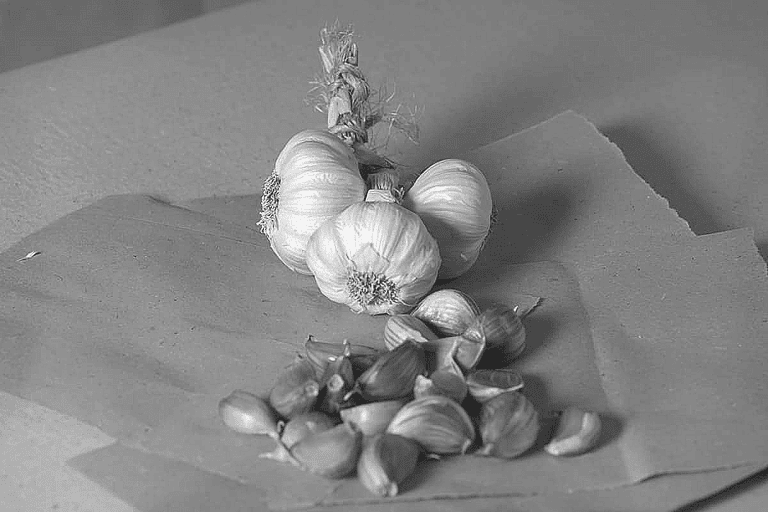
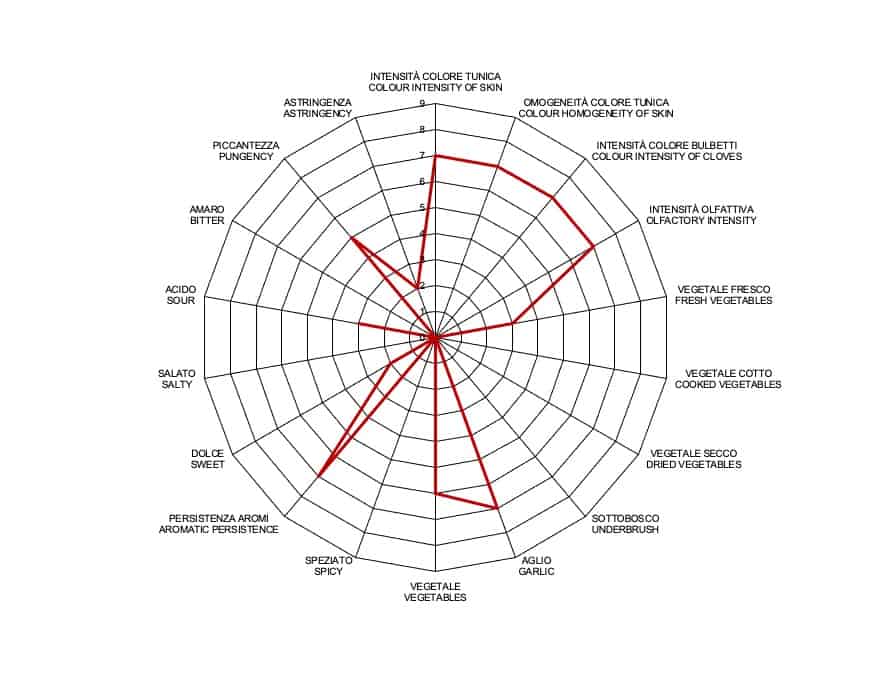
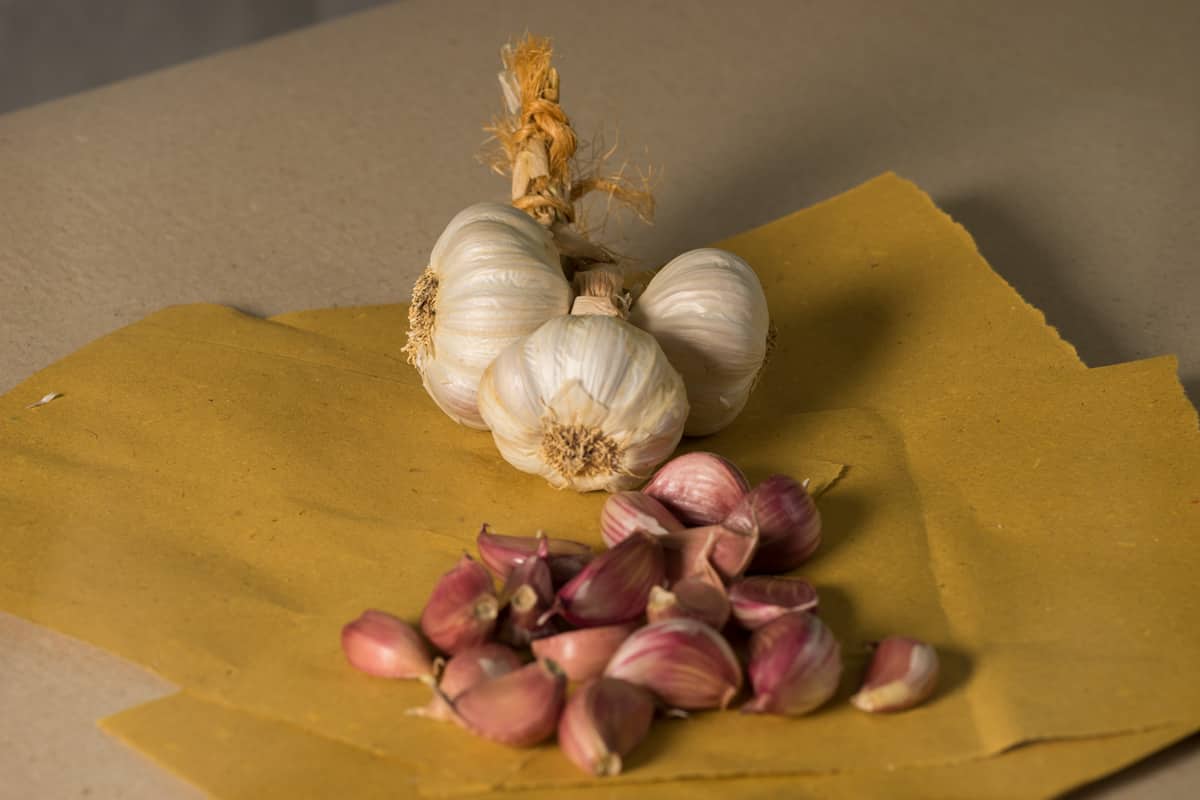
Garlic Rosso di Castelliri varies in colour from whitish on the outer tunics to pink on the inner tunics. Its high olfactory intensity is characterised by garlicky notes combined with hints of fresh vegetables. The taste is harmoniously sweet and acidic, with a pronounced spicy note and slight astringency. Good aromatic persistence.
PAOLO SCALA AND THE CULTIVATION OF GARLIC
"More than a job, growing garlic is a passion for me!" This is how Paolo Scala's story begins. He continues: 'Garlic cultivation in this area certainly dates back to the time of the Bourbons. In the 1950s it was marketed outside the region, transported on large trucks. Then with the advent of globalisation, production was abandoned'. But about twenty years ago, Paolo, in agreement with other growers, all of whom had become members of the Castelliri Red Garlic Association, decided to resume production of this local ecotype, the seeds of which were still kept by elderly farmers in the village. 'I remember that Mr. d'Arpino gave me two braids, about fifty heads, and with those I started. Today we work the garlic using traditional methods, without pesticides or herbicides, manually, with hoes or motor hoes'. For Paolo, it is a mission: 'If no one dedicates themselves to the cultivation of these products any more, because it is not convenient or it is difficult to live in rural areas, we also lose the genetic resource and an immense heritage of knowledge and know-how'. Finally, he brings us back to a local saying that goes: 'Garlic is the countryman's pharmacist', underlining its curative powers. "For me,' Mr Scala concludes, 'it is and always will be a filial passion. I always say I have three children. One daughter here is a doctor, one lives in France and is an engineer, and the third is called Garlic - he smiles under his moustache and specifies - It is the red garlic of Castelliri, my garlic!"