
08. Borbontino Bean of Borbona
History
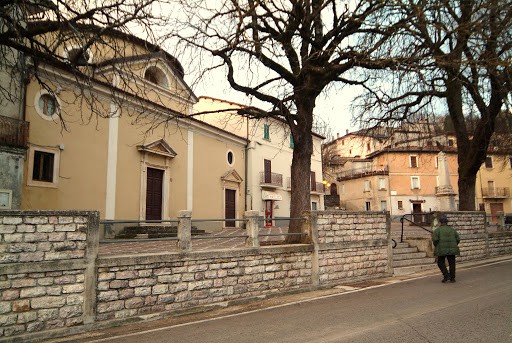
The Borbontino bean is produced in the Sabine municipality of the same name, which lies in the upper valley of the Velino river. Here, the particular fertility of the soil and the mountain economy have led, over time, to a natural selection of this bean that can only be grown in this area. Intended mostly for self-consumption, the harvest is very small, at around 15 quintals, with fluctuations due to the production season. But the meagre production is also due to the choice of using methods and tools from the past, not using chemical fertilisers and favouring only natural fertilisation. Again in keeping with traditional practices, sowing takes place on land about 750 metres above sea level, close to 27 May, the day dedicated to Santa Restituita, the patron saint of Borbona. After preparing the soil, small holes are made in the ground, shallow and widely spaced, in which the beans are placed, and carefully covered with earth. The plants are planted in rows to allow uniform sunshine and facilitate proper rainwater run-off. The 'scalar' harvest is carried out in October. The beans, harvested strictly by hand, are shelled, placed outdoors on sheets to dry, then stored for consumption during the winter. It is precisely in October that the Sagra has been held for over thirty-five years, spreading knowledge about the cultivation of this legume and the preparation of its various culinary variations.
The product
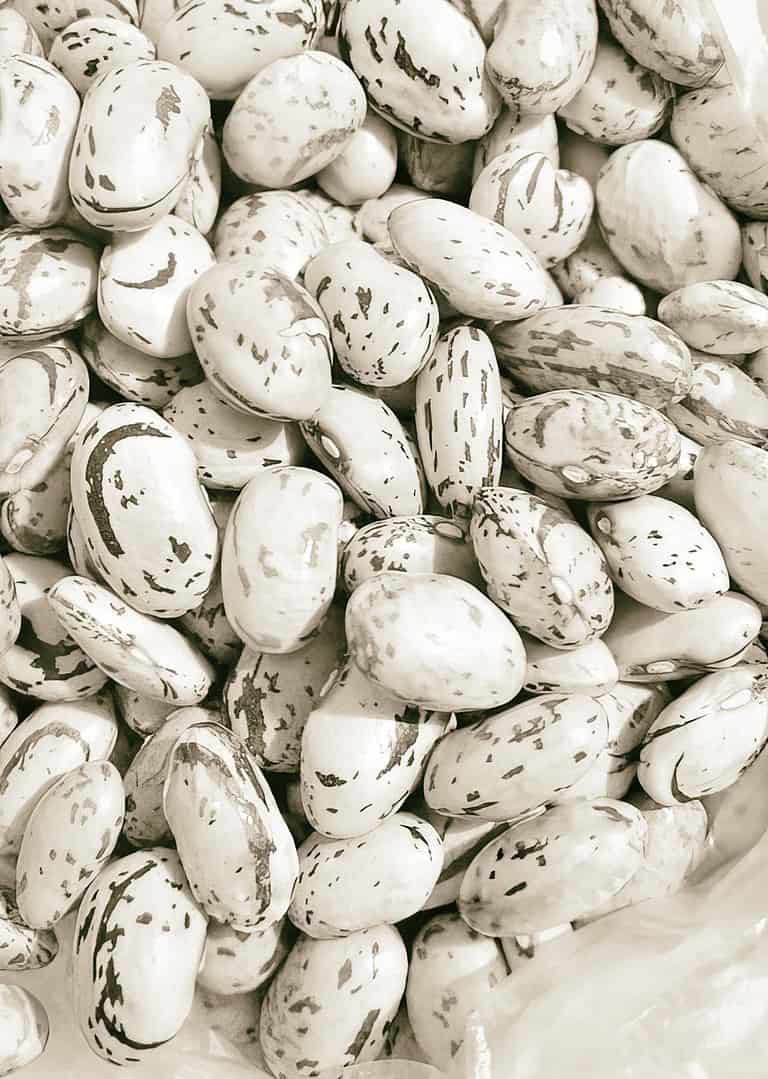
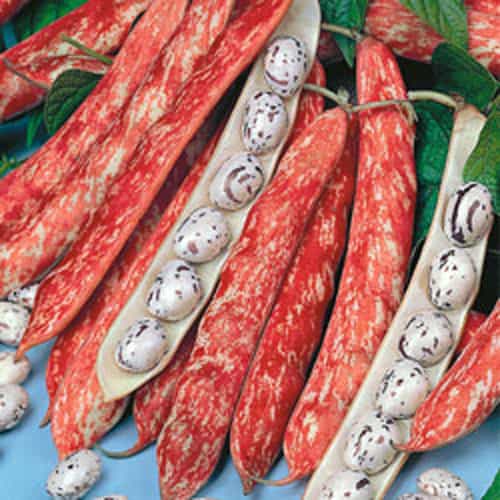
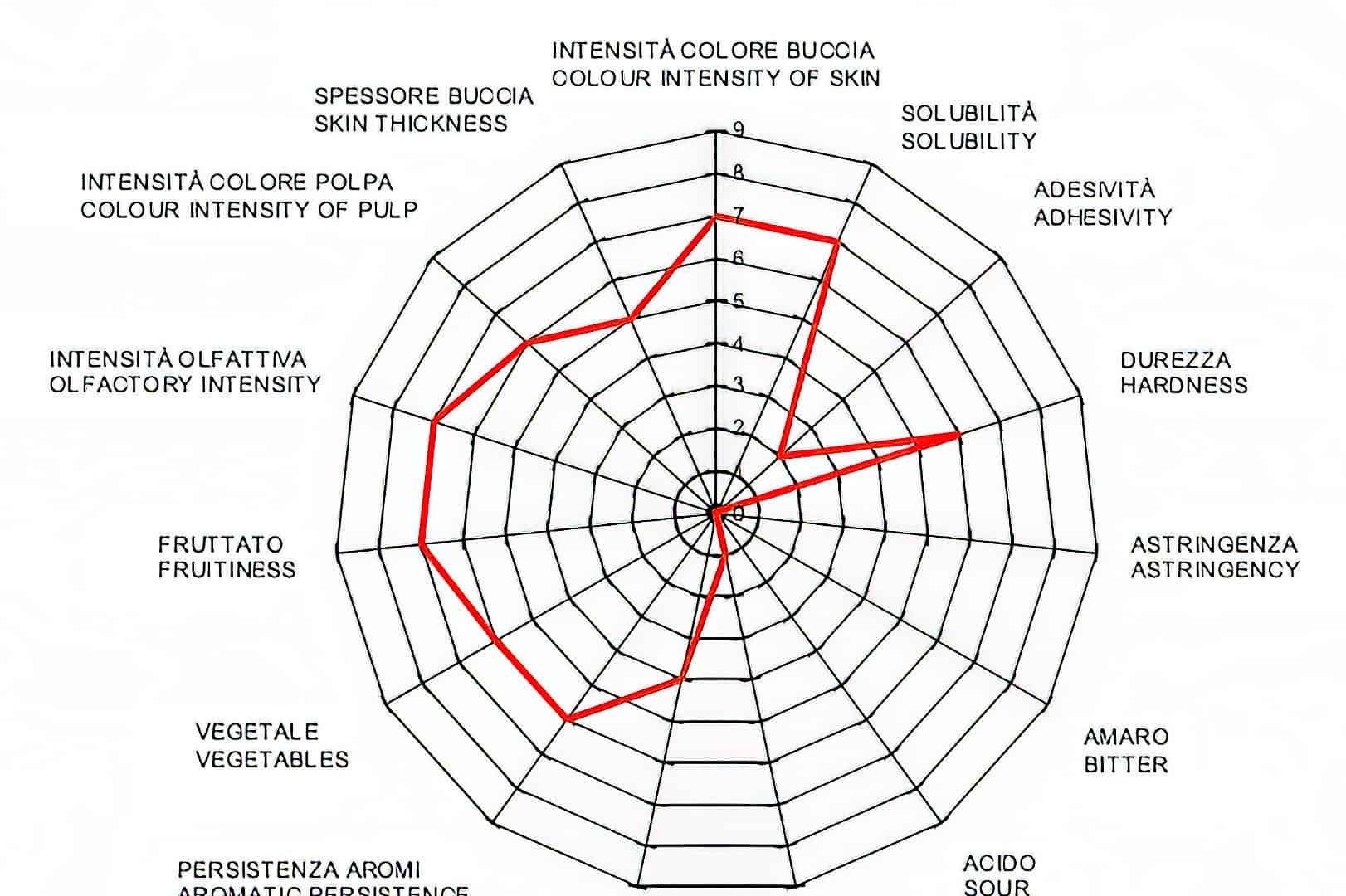
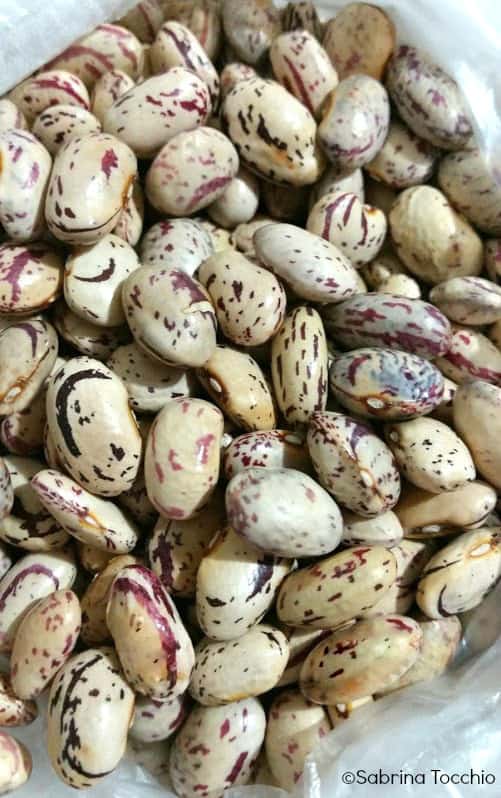
The Fagiolo Borbontino is about 12-18 mm in length and 7-10 mm in diameter with a more or less intense brown colour. It is characterised by its high integrity after cooking. The high olfactory intensity is characterised by vegetal and fruity notes reminiscent of boiled chestnuts. The taste is harmoniously sweet. Good consistency and solubility.
DINA LOPEZ FROM THE MUZIO ELENA FARM
Dina Lopez tells of her 40 years of activity as a grower of this legume, a poor food with an ancient history: 'The borbontino bean is a speciality of Borbona, much sought after even outside the region. My grandfather also cultivated it and consumed it as 'poor man's meat' when meat was not available to everyone'. Dina explains that today the legume is produced for self-consumption and that the inhabitants usually set up an amateur cultivation in their vegetable gardens, but there are few farms: 'Mine is one of the few that grows it'. He proudly recounts: "I still practice traditional cultivation, sowing on damp soil, on a crescent moon, or as they say in Borbona 'on a good moon', and using wooden stakes for the seedlings to climb. Many more modern growers use netting so that the plants grow without wrapping around each other. But I still prefer to follow the ancient technique'. Her husband, too, is involved in growing beans in wooded areas, a very tiring technique but one that ensures a high organoleptic quality: 'harvesting is also hard and requires a lot of patience because the beans ripen in stages and hardly ever ripen all at once! Lastly, Dina recounts one of the most beautiful community moments, which follows the harvest and involves four to five people in shelling the beans: 'it lasts a few days and ends with a big lunch!'