
02. Barachia of Genazzano
History
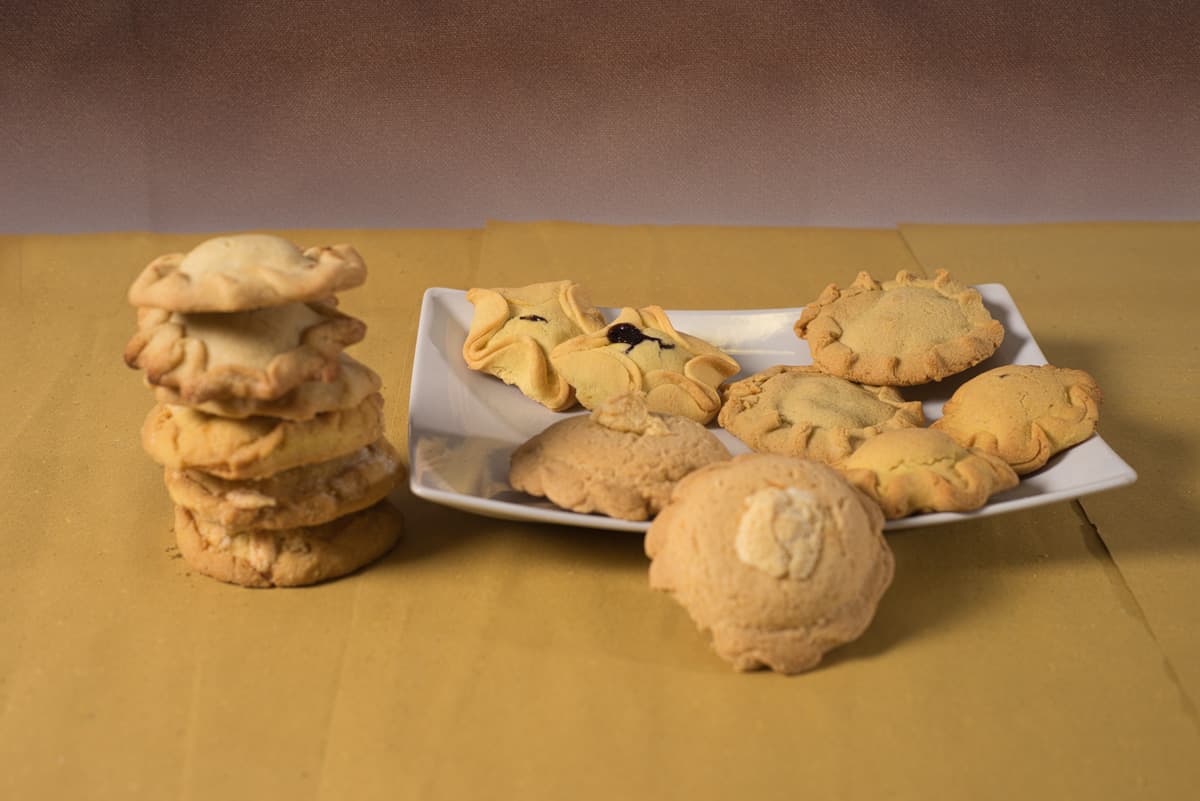
The history of the shortbread biscuit known as Barachìa has very ancient origins, as does its recipe handed down orally from mother to daughter, the origin of which, however, is unknown. One hypothesis is based on the presence of a Jewish community in Genazzano until the end of the 16th century, to which the six-pointed shape of the biscuit, which can be traced back to the Star of David, is also attributed, thus having a sacred significance. The derivation of the name is also unclear. A Barachiah, father of Zechariah, is mentioned in the Bible in the episode in which Jesus addresses an invective against scribes and Pharisees in the temple in Jerusalem. Another hypothesis is the Greek origin from the word barakòs, a type of flatbread introduced by Albanian pilgrims visiting the sanctuary of the Madonna del Buon Consiglio, whose sacred image seems to have arrived in Genazzano from the Albanian town of Shkodër on the night of 25 April 1467. The only certainty about Barachìa, however, is its unmistakable flavour: sweet and delicate because of the pastry, with a sour note due to the jam of small wild blackthorns typical of the Genazzano area, locally called prungancini. Barachìa is traditionally eaten on the days of Corpus Christi and the Infiorata di Genazzano, an event that has been held annually in July since 1883, and is characterised by the creation of a floral carpet, set up by skilled flower arrangers, along the streets of the town. Today, there are three bakeries in the town that prepare and sell this typical cake during the festivities.
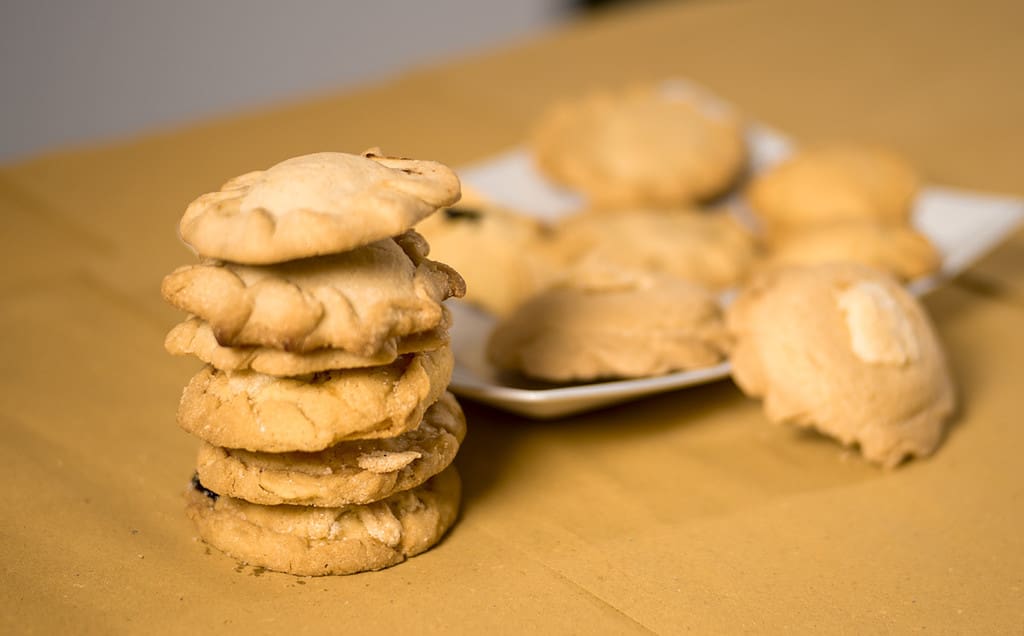
The product
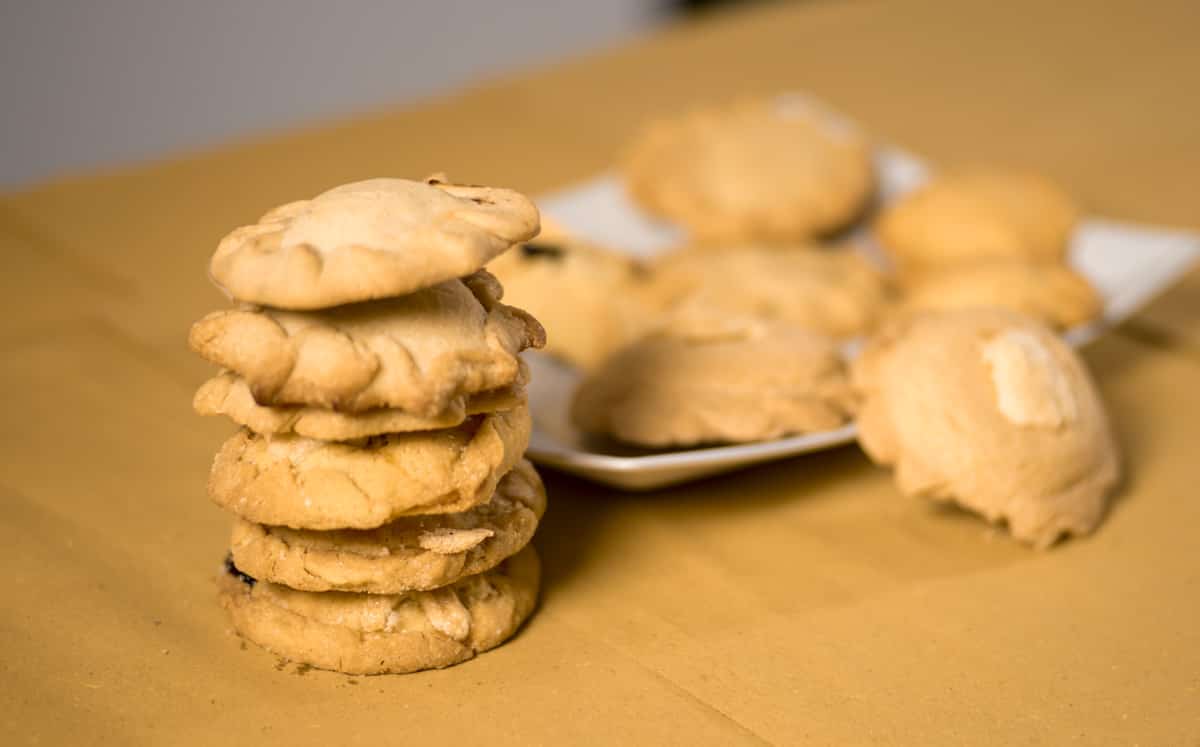
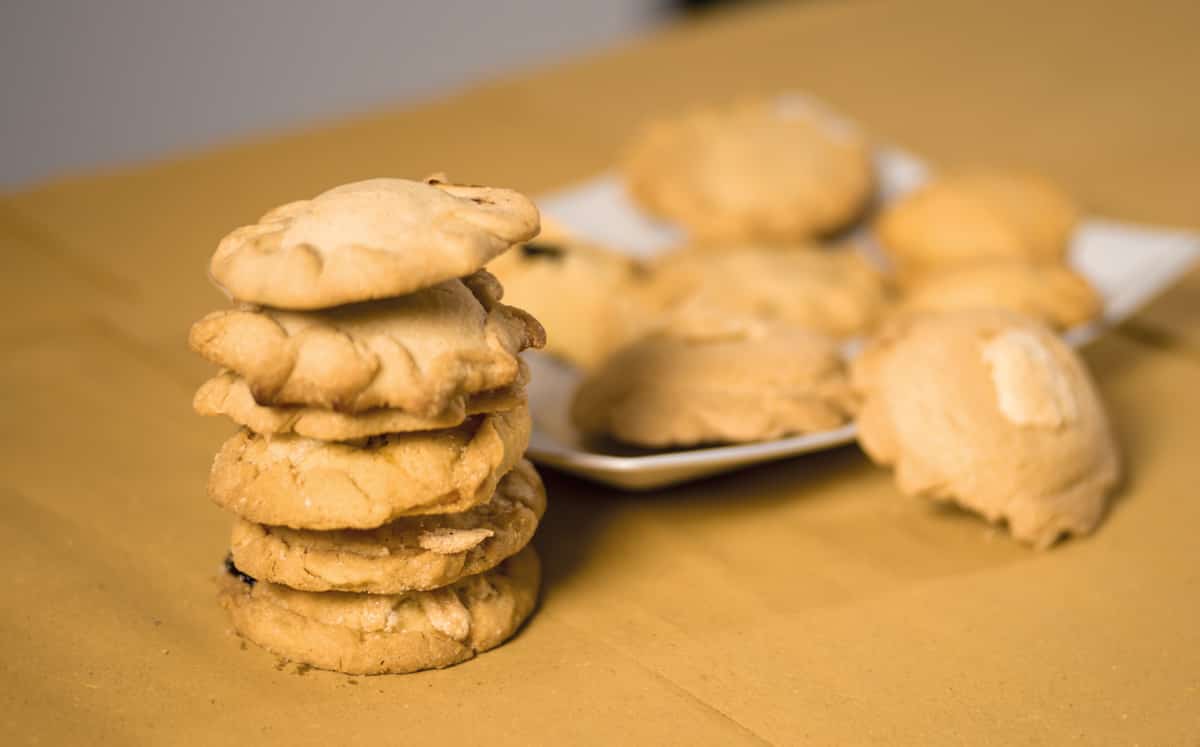
The Barachia, characterised by its six-pointed shape, is light brown in colour and has a swelling due to the filling. Its high olfactory intensity is characterised by pronounced notes of egg and plum jam, combined with slight hints of vanilla and citrus. The taste is harmoniously sweet with a slight acidulous note. Good crispness, chewiness and aromatic persistence.
THE BRAMANTE NYMPHAEUM: THE PRENESTINE STONEHENGE
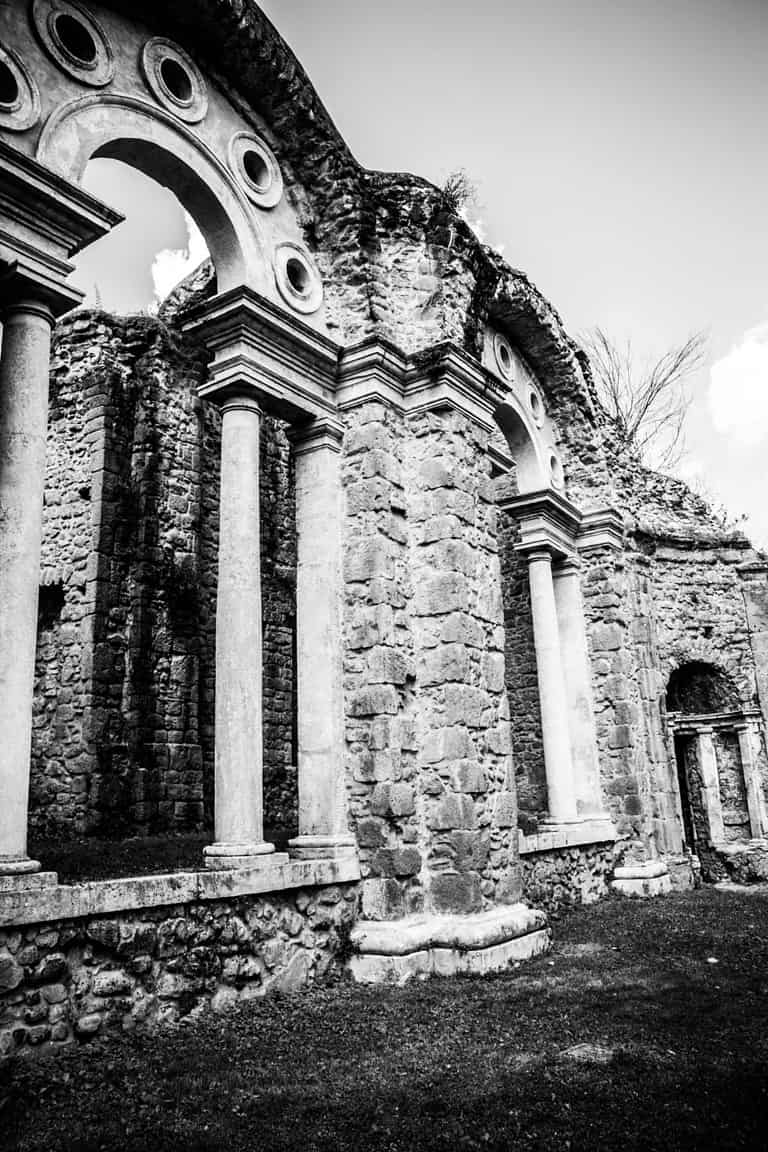
Just outside the historical centre of Genazzano, a short distance from Porta Romana, is an imposing Renaissance complex dating back to the 16th century, called Ninfeo del Bramante (Bramante's Nymphaeum), named after the famous architect and painter Donato Bramante (1444-1514), to whom it is attributed.
The complex is an unusual and magical place, preserving the remains of columns, profiles of load-bearing construction parts and loggias, characterised by typically Bramante-esque stylistic elements such as the serlianas with the five oculi in the archivolts or the shell decorations of the niches, in tuff and travertine. The Nymphaeum - surrounded by greenery and with a stream that feeds the circular basin in the centre of the structure - excellently combines reminiscences of Roman classicism with the new aspirations of Renaissance classicism. With a perfect syncretism between man and nature, the Nymphaeum perfectly testifies to the sumptuous lifestyle of the Renaissance aristocracy, who most probably enjoyed this complex as a place of meeting and recreation. Today uncovered - and perhaps for this reason even more fascinating - it must have been possible to stroll, meet, discuss, but also to attend theatrical performances and take part in public festivities in the architectural complex. The addition of a thermal room, with an octagonal hall and circular pool, made it similar to the Roman baths later on.