
25. Cerasa Sabina of Palombara Sabina
History
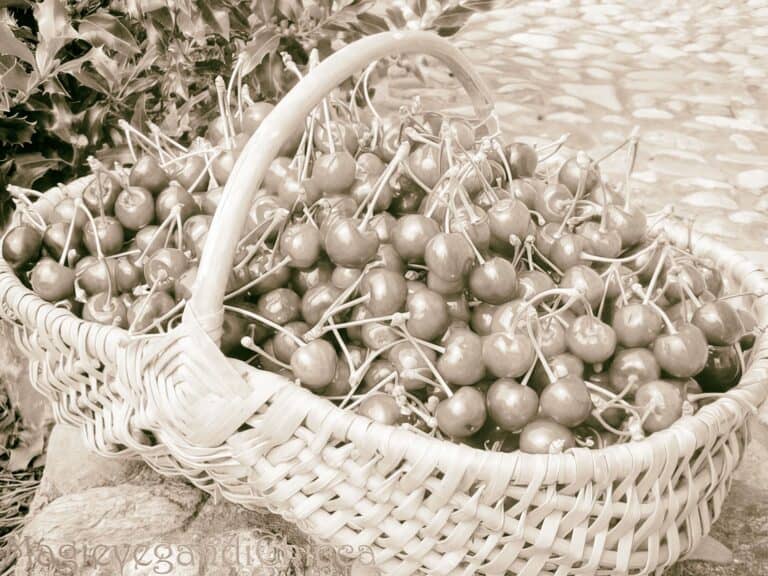
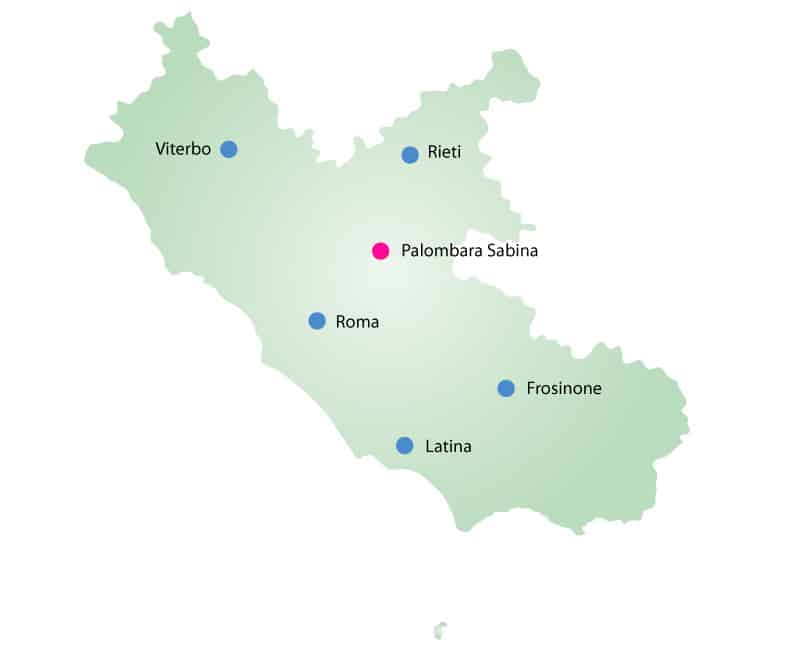
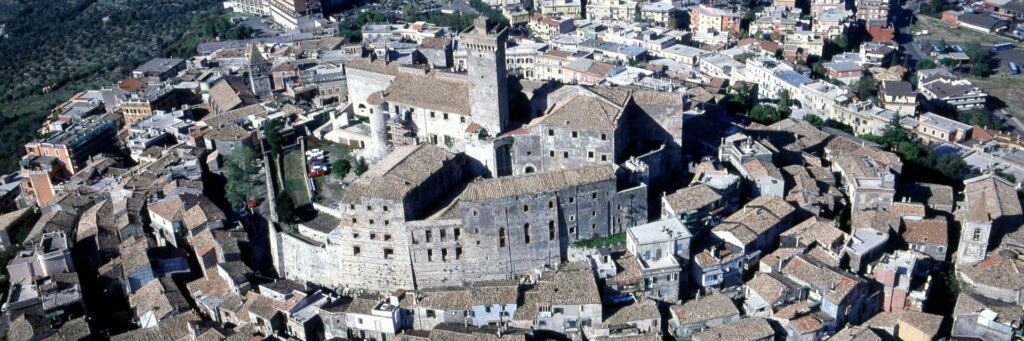
Cerasa is a product of excellence from the area of Palombara Sabina, a small medieval village built at the foot of Mount Gennaro and characterised by its spiral shape rising towards the castle built by the Savelli family. Legend has it that cherry cultivation was already known in Palombara in the 13th century when the inhabitants gave the then Pope Honorius IV a basket of seasonal cherries during his stay at the castle. From then on, the custom arose of offering the precious Sabine fruit, understandably called 'Cerasa del Papa' (Pope's cherry), to other pontiffs every 25 April. The cultivation of cherries had already spread during the time of the Papal States to the hills of Romagna, where a process of specialised production was initiated that has continued to the present day. At the end of the 19th century, a variety of cherry from the Ravenna area was experimentally transplanted to the Roman Sabina and found its ideal habitat in the mild climate of this area, upstream from the loops of the Tiber. The historical certainty that the Sabina 'Ravenna cherry', also known as 'Ravenna del Papa', has been cultivated in the area for over one hundred years is given by the presence of centuries-old plants on the land of the village and the documented tradition since 1933 of the festival dedicated by the inhabitants to this sweet fruit. Traces of this first edition remain on an article in the 'Messaggero' of that year and on two posters of the 'Festa delle Cerase' in 1936 and 1937. Even today, the festival, which is held on the first or second Sunday of June with a large parade of floats inspired by the theme of the fruit, is a great attraction for all gourmets who can taste the two varieties, the early and the late varieties.

The product
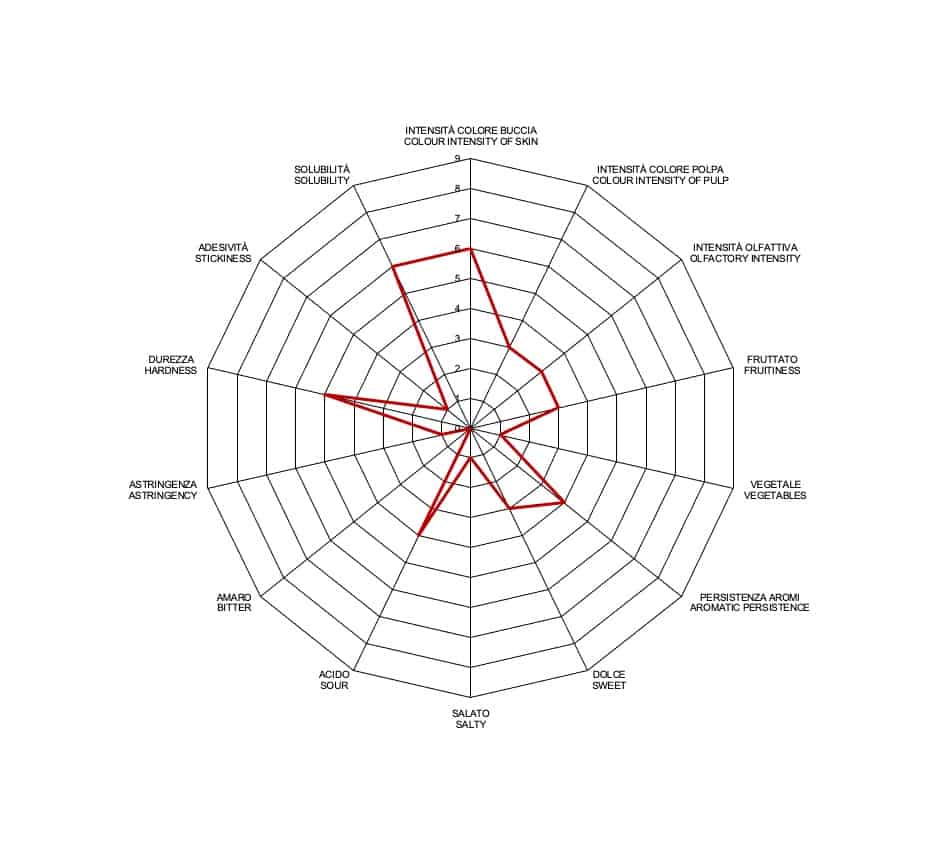
The Ravenna cherry from Sabina has a more or less intense red colour. The nose is characterised by the fruity notes typical of ripe cherries and vegetable hints. The taste is sweet and acidulous, with a delicate salty note. Medium aromatic persistence.
STEFANO RESTANTE AND THE ORGANISATION OF THE CERASA FESTIVAL
"The Sagra della Cerasa, which boasts the primacy of being the oldest in Europe, involves an annual parade of allegorical floats built, at least two months in advance, by master carriage-makers according to the various traditional techniques handed down from generation to generation, then covered by passionate Palombaresi boys with wild flowers and cherries. The aim of each float,' Stefano Restante continues, 'is to win the title of winner. In fact, the participants parade in front of the jury, staging themes of historical or social value, but always related to the cherry protagonist'. The unmissable allegorical figures during the festival are the cerasare, i.e. the women of the village who parade along with the floats wearing beautiful traditional costumes. Stefano then reinstated the use of ciarrocche, bamboo canes about 50 centimetres long to the ends of which cherries are tied, and which are carried like a sceptre by the cerasare themselves. Finally, talking about the Cerasa Film Festival organised many years ago to coincide with the festival, he reveals a curious anecdote about a Japanese director who, upon receiving a basket of cherries as a prize, continued to appreciate their aesthetic appearance, repeating 'beautiful, beautiful', without however understanding their strength of taste, emphasised by the people of Palombara with the adjective 'good, good'.