
72. Montelanico chestnut
History
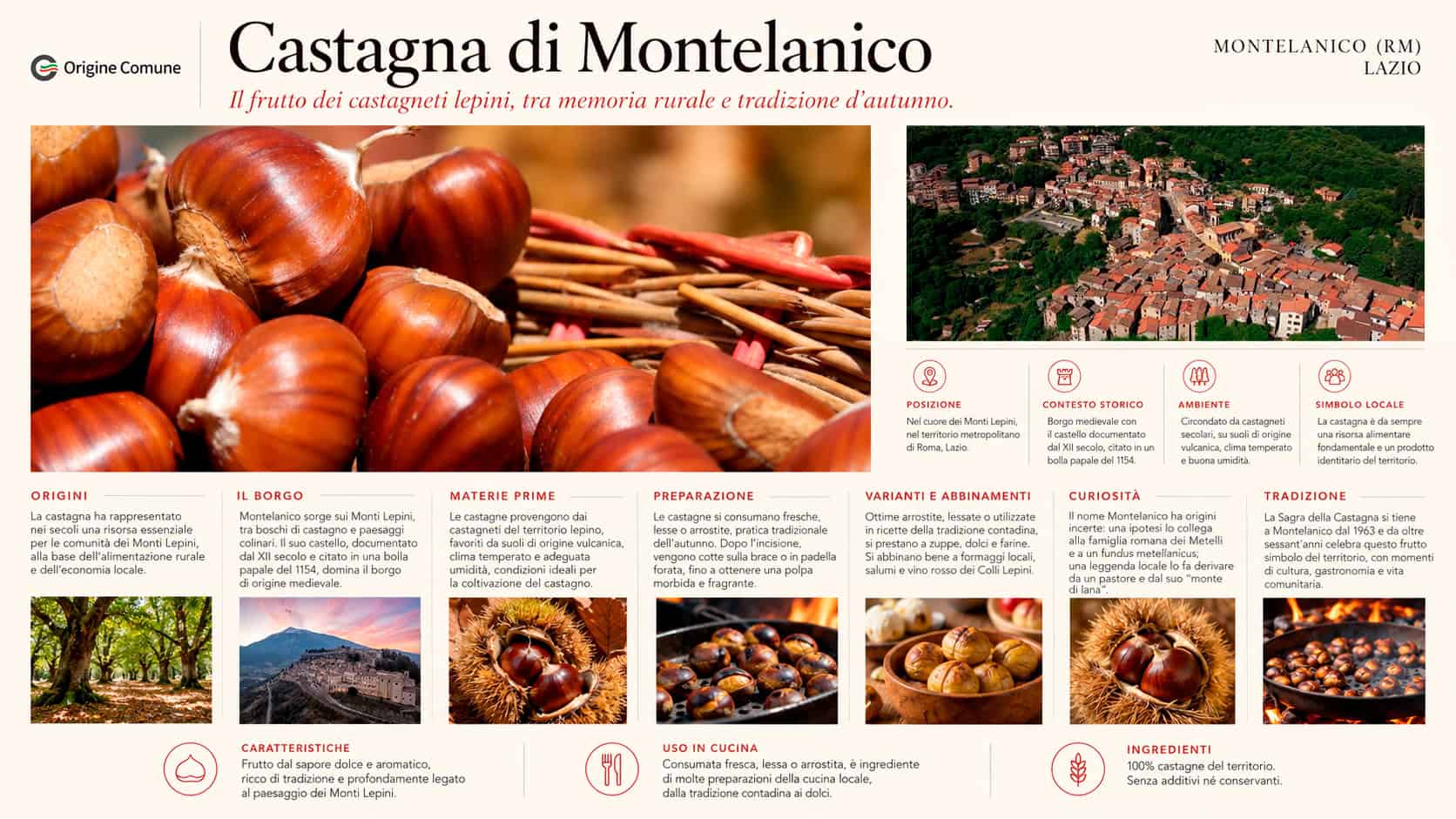
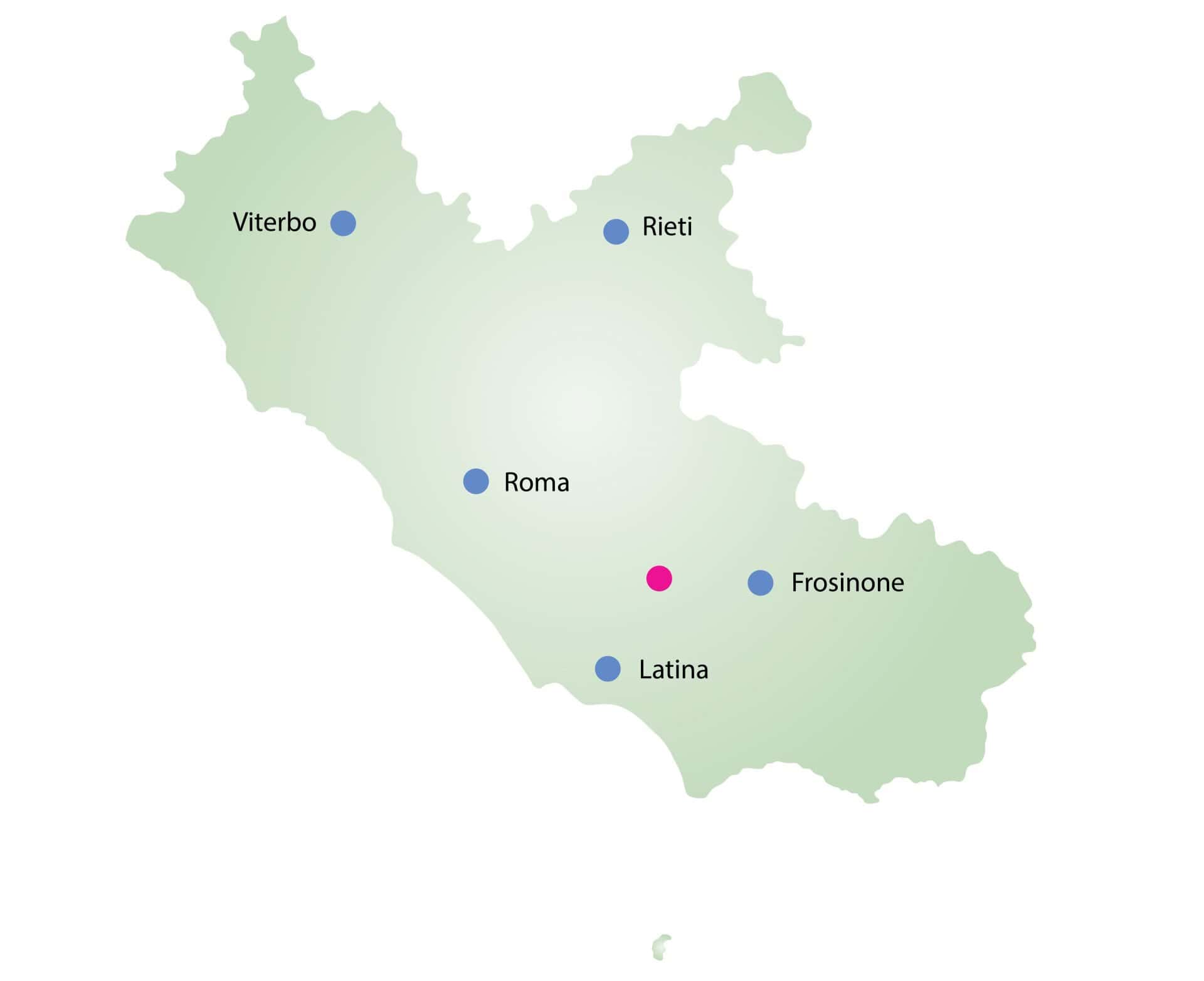
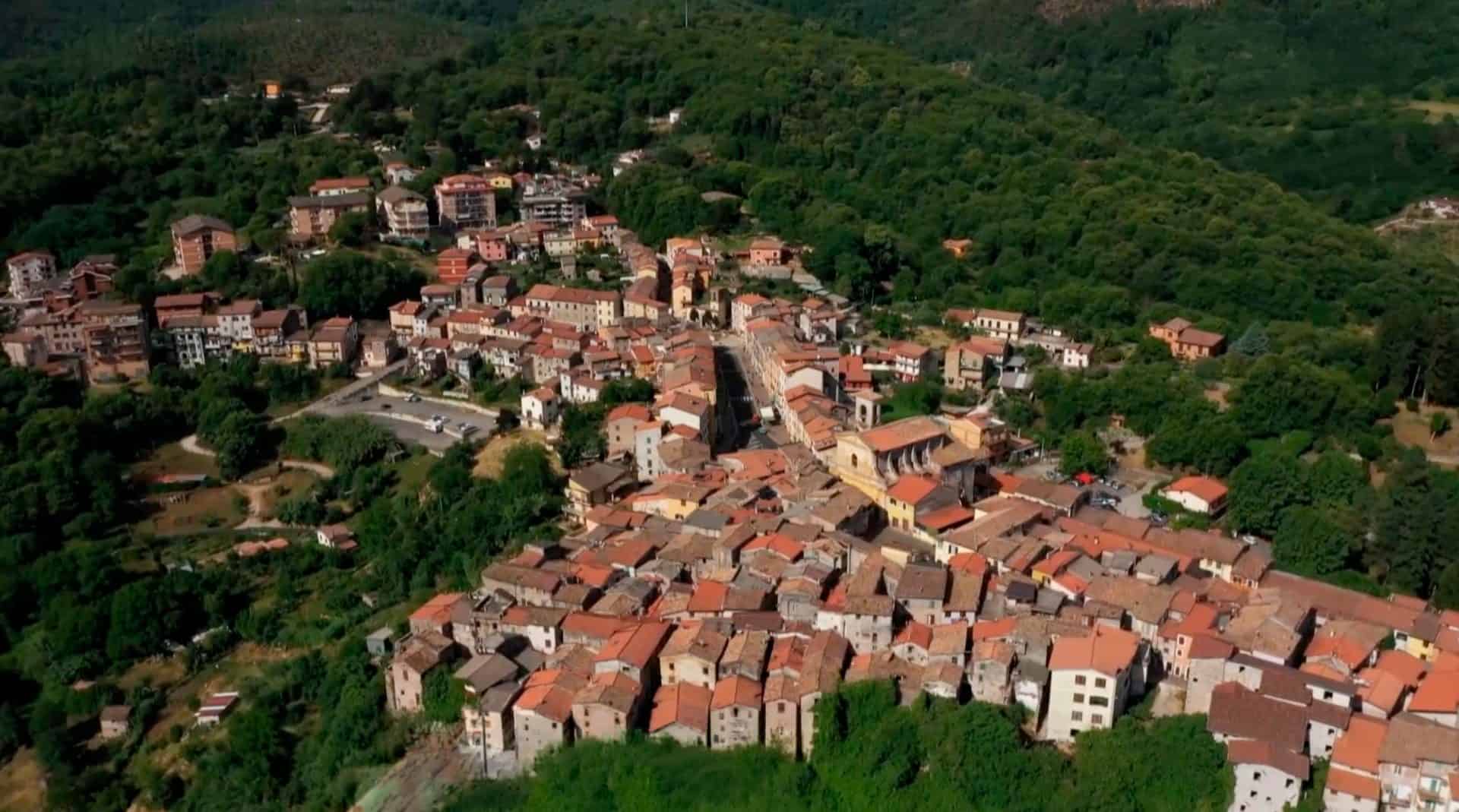
Chestnut cultivation has been an integral part of the history of Montelanico and the Lepini Mountains for centuries. The natural characteristics of the area – with soil of volcanic origin, a temperate climate and adequate levels of humidity – have favoured the growth of chestnut groves and made chestnut production deeply intertwined with the town’s identity.
For generations, the chestnut has been a vital food source for local communities, and over time has also become a central feature of the region’s cuisine and traditions.
This connection is epitomised by the historic Montelanico Chestnut Festival, which for over sixty years has engaged the community in promoting the product and the traditions of the Lepini Mountains.
The product
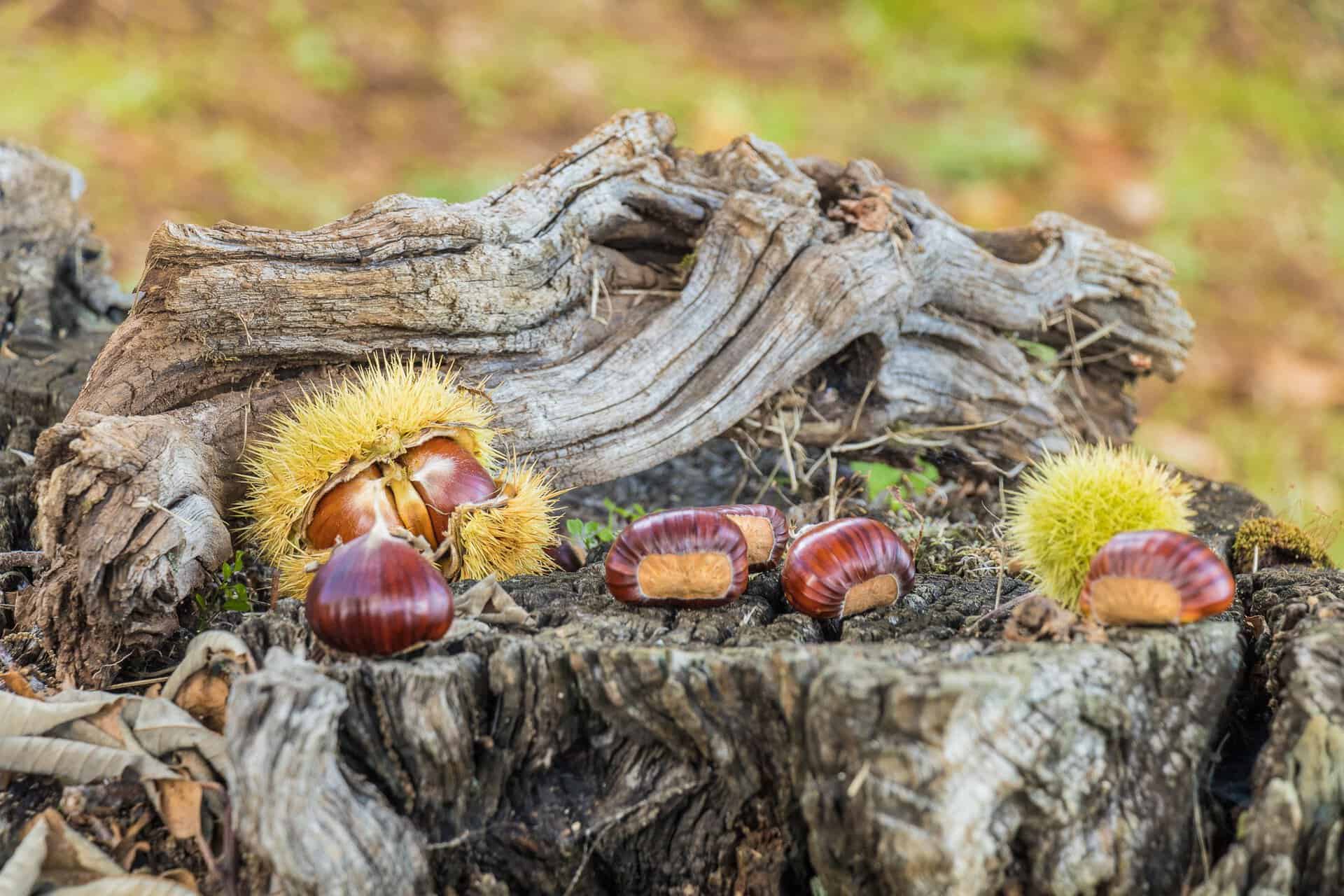
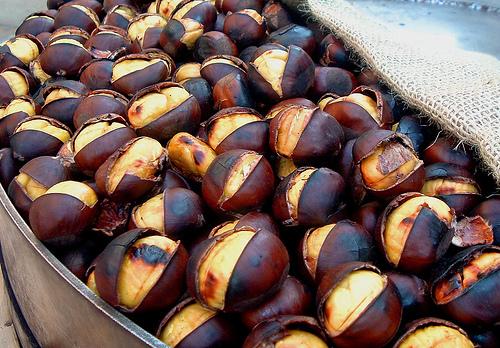
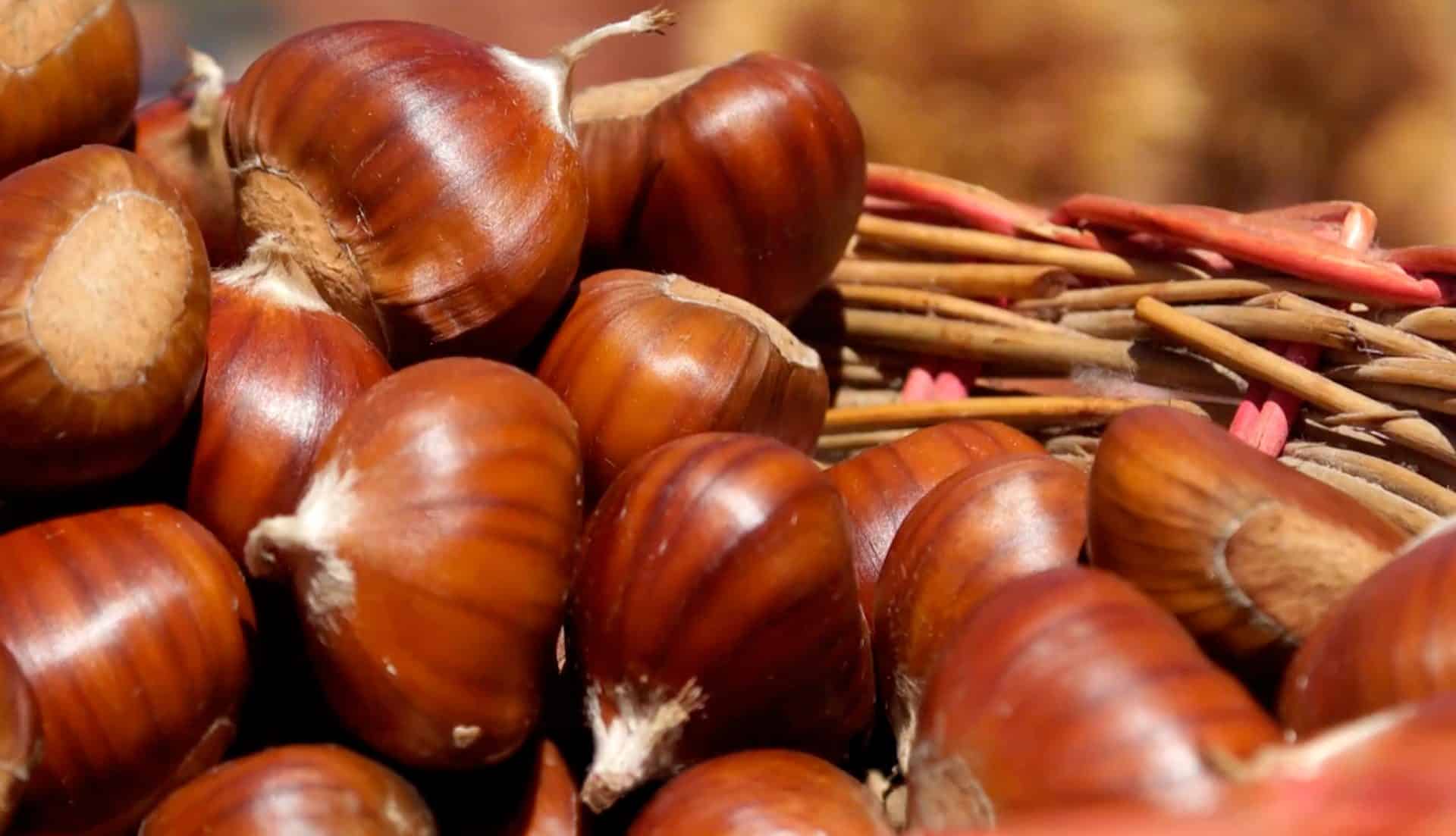
The Montelanico chestnut grows in the chestnut groves surrounding the village, in an environment that is particularly favourable thanks to the climate, humidity and soil characteristics of the Lepini Mountains. Nutritious and versatile, it can be eaten fresh, boiled or roasted in traditional chestnut roasts, and is also used in numerous sweet and savoury dishes. The Montelanico chestnut is thus not merely an agricultural product, but an integral part of the village’s identity, capable of bringing together the landscape, culinary tradition and the community’s collective memory.