
48. Courgette Romanesco with Sabaudia Flower
History
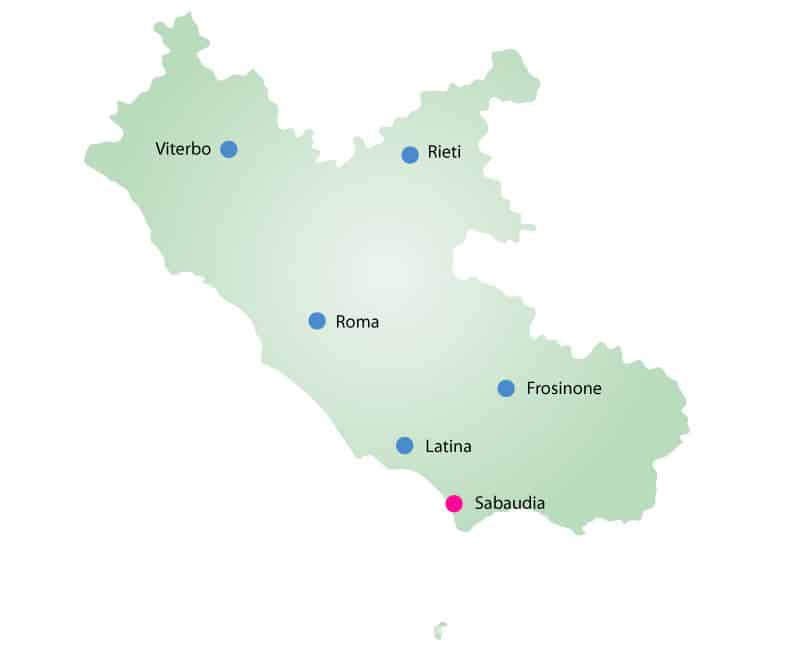
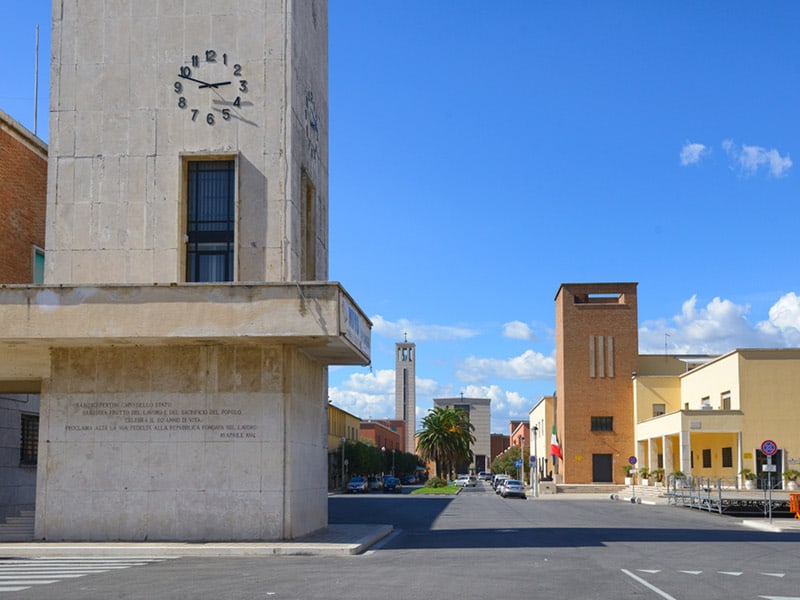
The cultivation of Romanesco flowering courgette, a variety that can be traced back to the Cucurbita pepo species, has been grown in the Sabaudia area, in the heart of Agro Pontino, since the 1950s when cultivation was limited to family vegetable gardens. In the following years throughout the plain, thanks to improvements in irrigation and transport, as well as increased domestic demand, vegetable cultivation had to become more intensive and supplant the pre-existing citrus groves. Around the 1960s and 1970s, moreover, with the spread of cultivation in greenhouses, a new phase of development began that was destined to revolutionise the agricultural sector. From then on, the cultivation of this vegetable began to cover a vast area of the municipal territory and its marketing focused mainly on the markets of Rome and Florence. Cultivation, of medium difficulty, is done all year round: in summer in the open field, in winter in a cold greenhouse. In seedbeds (protected cultivation), sowing starts in March, in the open field in April. The plants, with their typical decumbent habit, require supports, usually thin bamboo canes. Harvesting is done by hand using the stepwise method, as the fruit, which is characterised by its cylindrical, ribbed shape, reaches commercial size and the flower is about to open. The latter is not cut off at harvest time because it is a sign of freshness.
The product
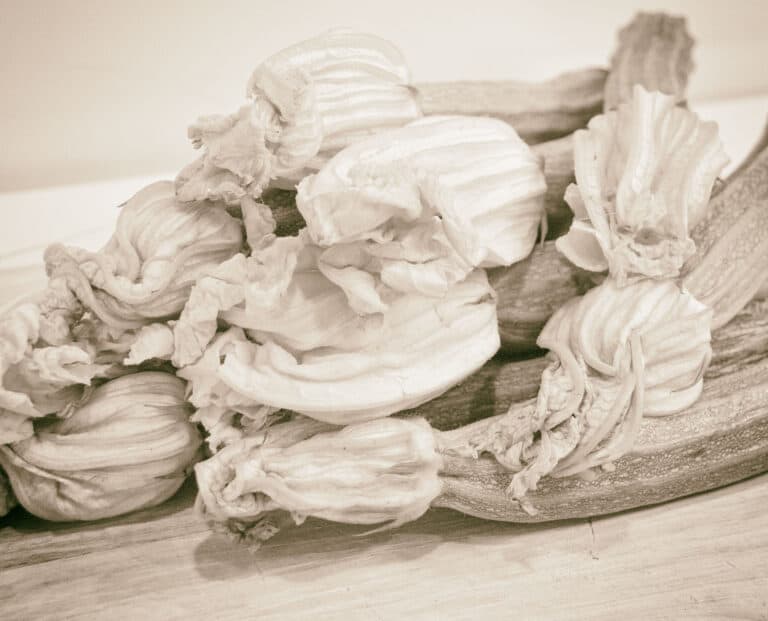
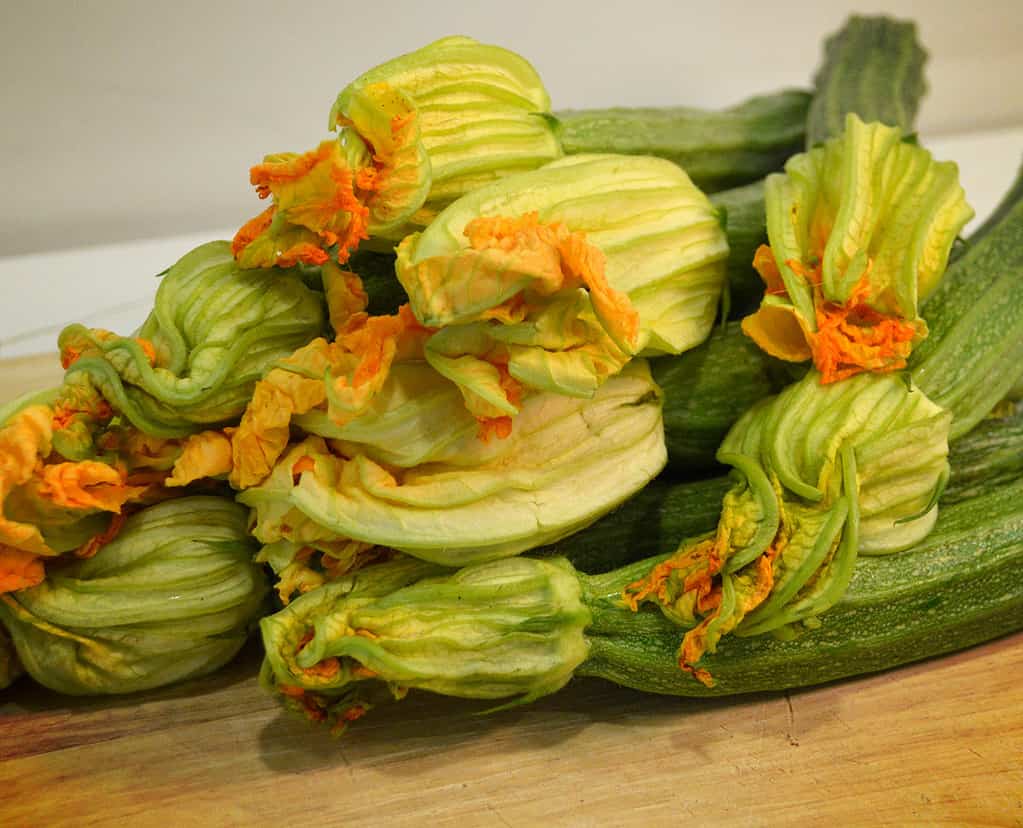
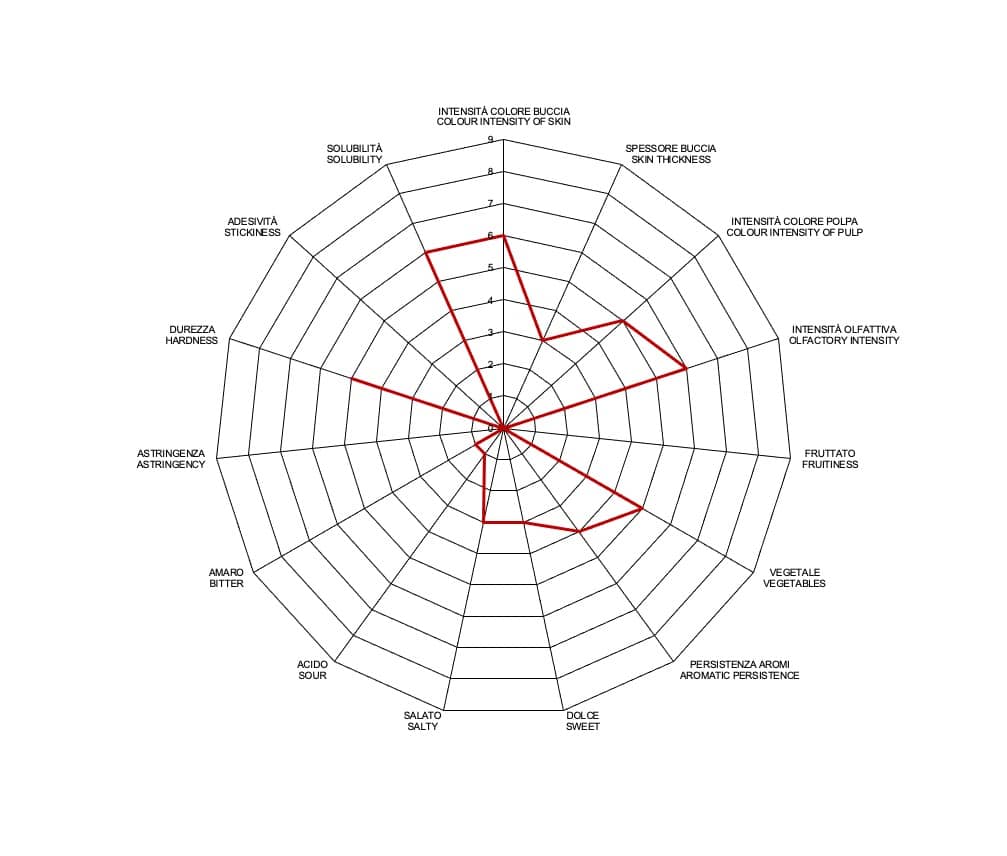
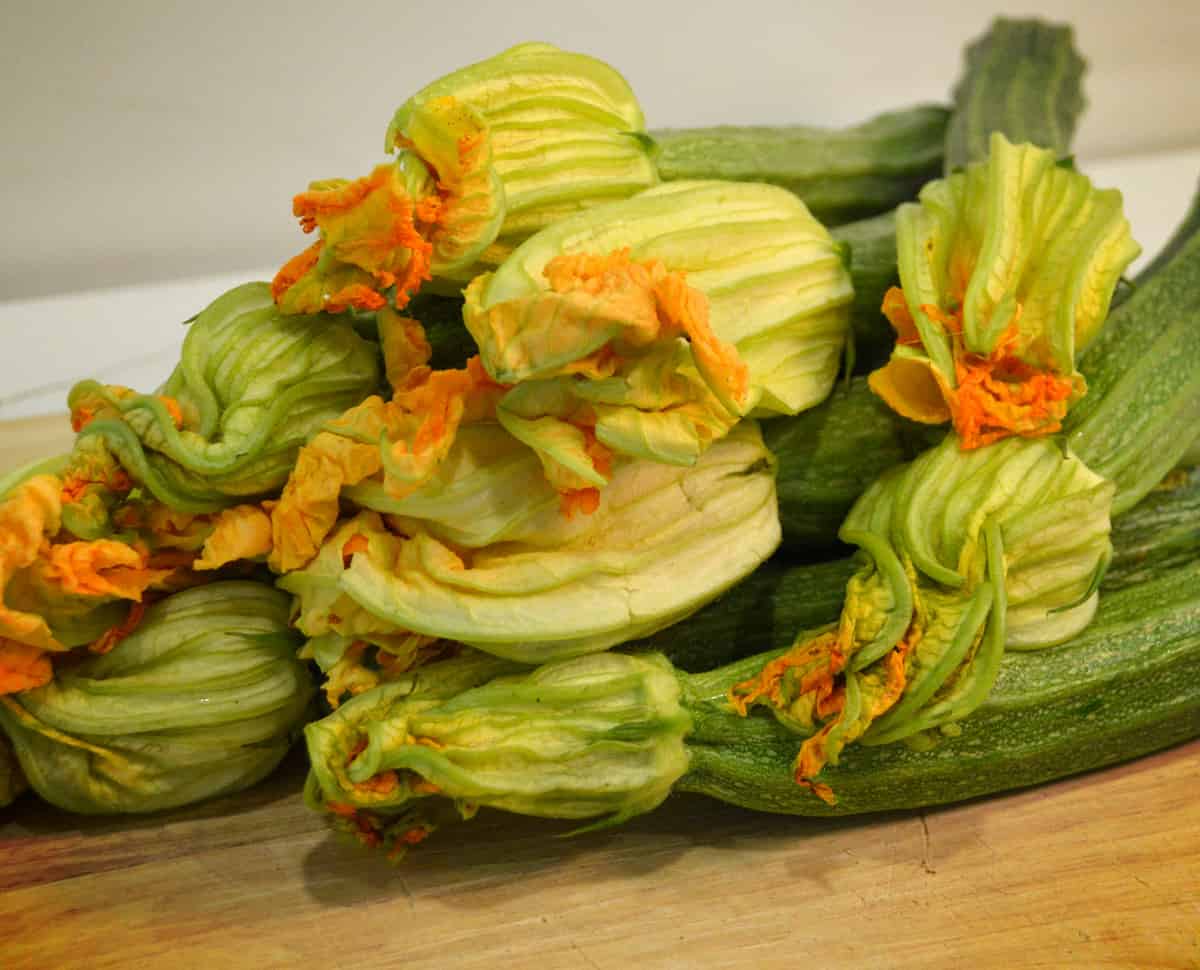
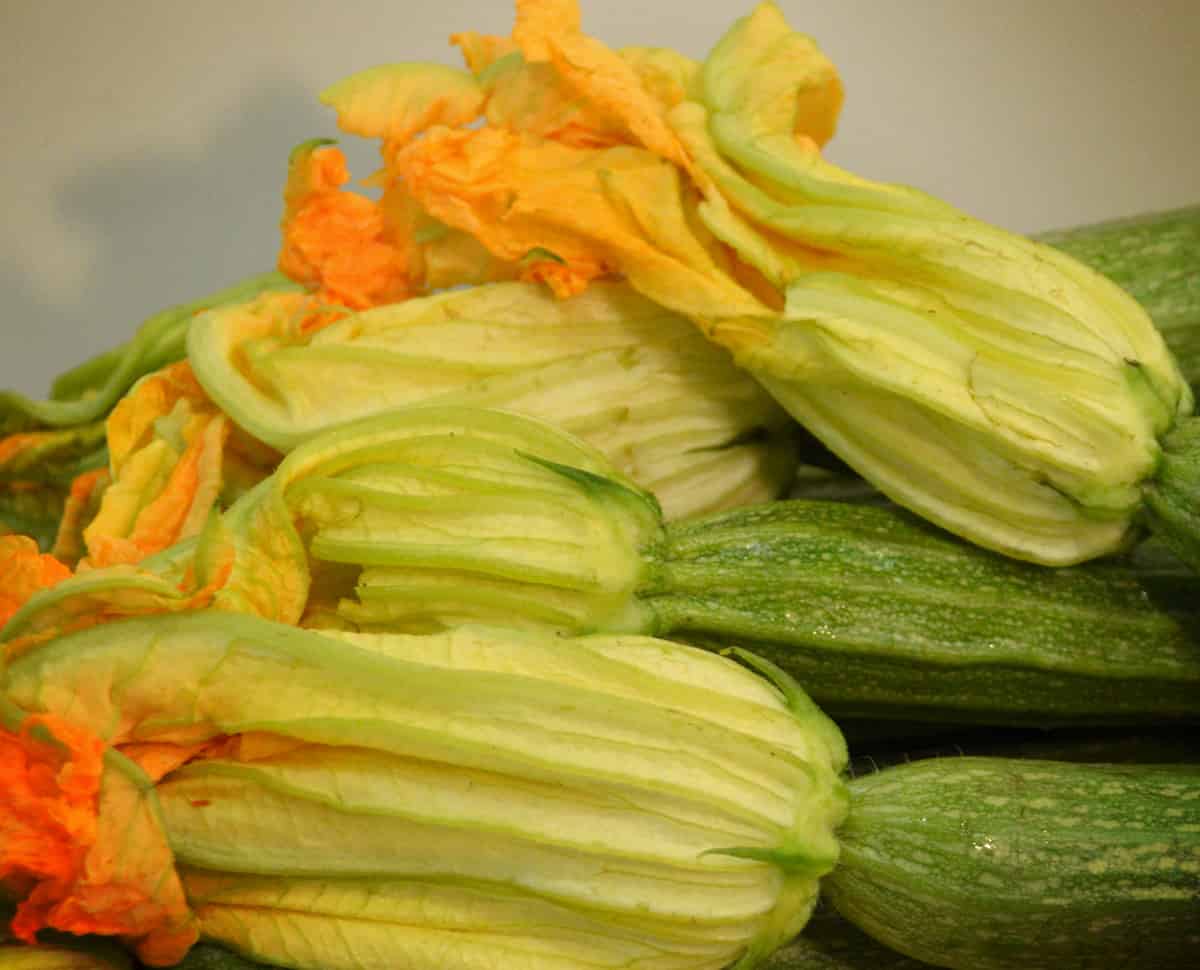
The Romanesco courgette with flower has a light to medium green colour with white streaks. When cut, it has a characteristic star shape and uniform white flesh. Its medium intensity aroma is characterised by marked vegetable notes. The taste is harmoniously sweet and salty, with a slight sour and bitter note. Medium aromatic persistence.
MASSIMO CELEBRIN, MUNICIPAL COUNCILLOR OF SABAUDIA
"The Romanesco courgette with flower is a very important production for our area," says Massimo Celebrin, "in fact, it is grown on our land intensively, in greenhouses and in open fields, all year round. Compared to the Sicilian variety, it is paler, crunchier and tastier, thanks to the climatic conditions, the soil on which it is cultivated (once marshy, now reclaimed), and the salinity of the water. The flower then increases its taste value, as well as guaranteeing its freshness and quality'. The decision to obtain De. Co. status for this product of excellence was - according to the councillor - only the beginning of a long process of valorisation. Among the administration's future projects to promote this vegetable is to affix a QR code on the packaging, so that consumers can find out the origin of the batch, get information on proper storage and recipes, but also connect to the municipality's website and learn more about the history of Sabaudia and its territory. Finally, there is the aim of organising a festival entirely dedicated to it. 'The vegetable is commonly used to season pasta, but it is also good boiled, served with a drizzle of oil. My grandmother, for example,' Massimo Celebrin recalls, 'used to make us eat it to regularise our intestines when we had stomach problems as children. The flower is a real delicacy when prepared in omelettes or battered and fried in hot oil'.