
14. Pan Pepato di Palestrina
History
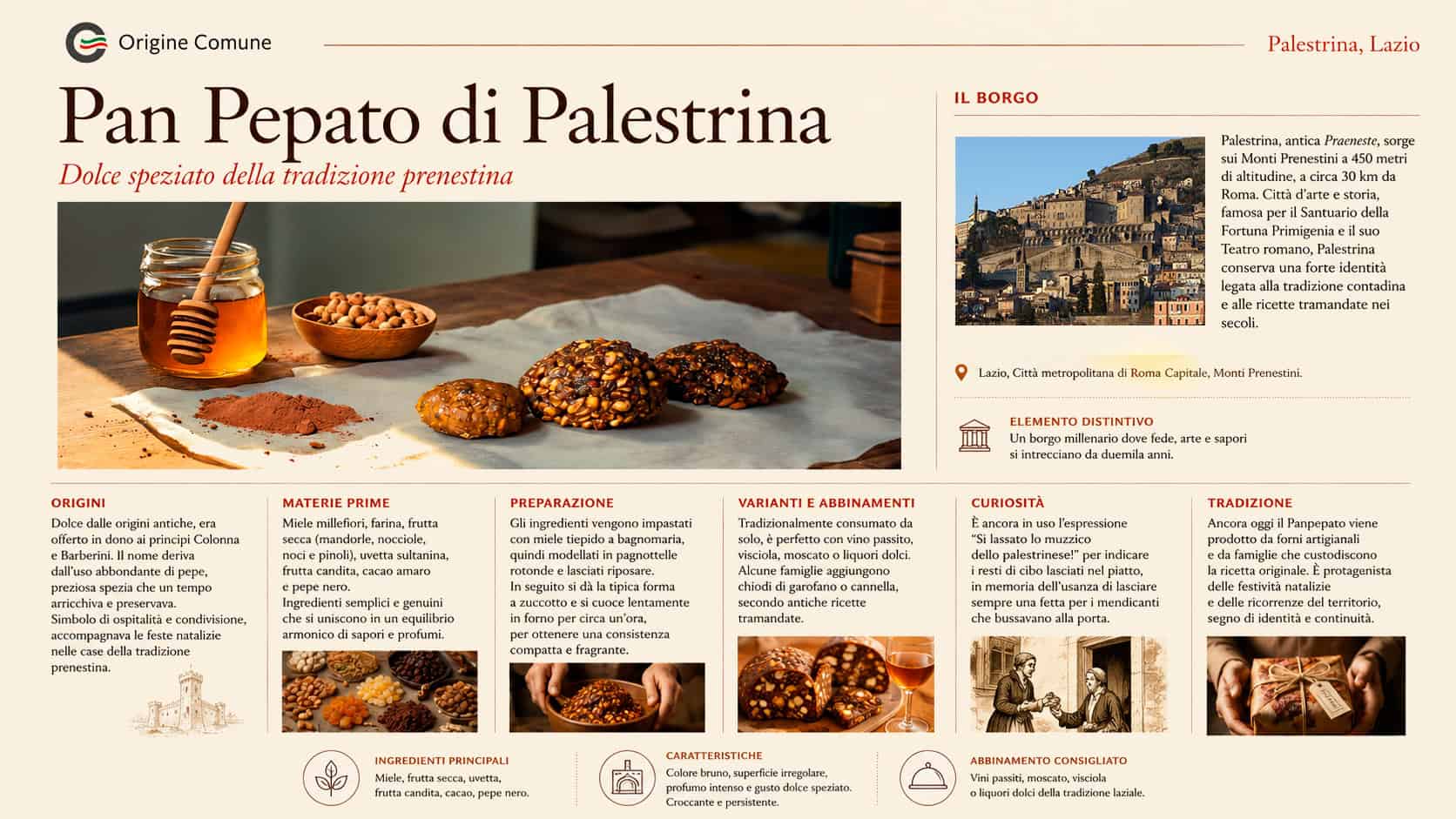
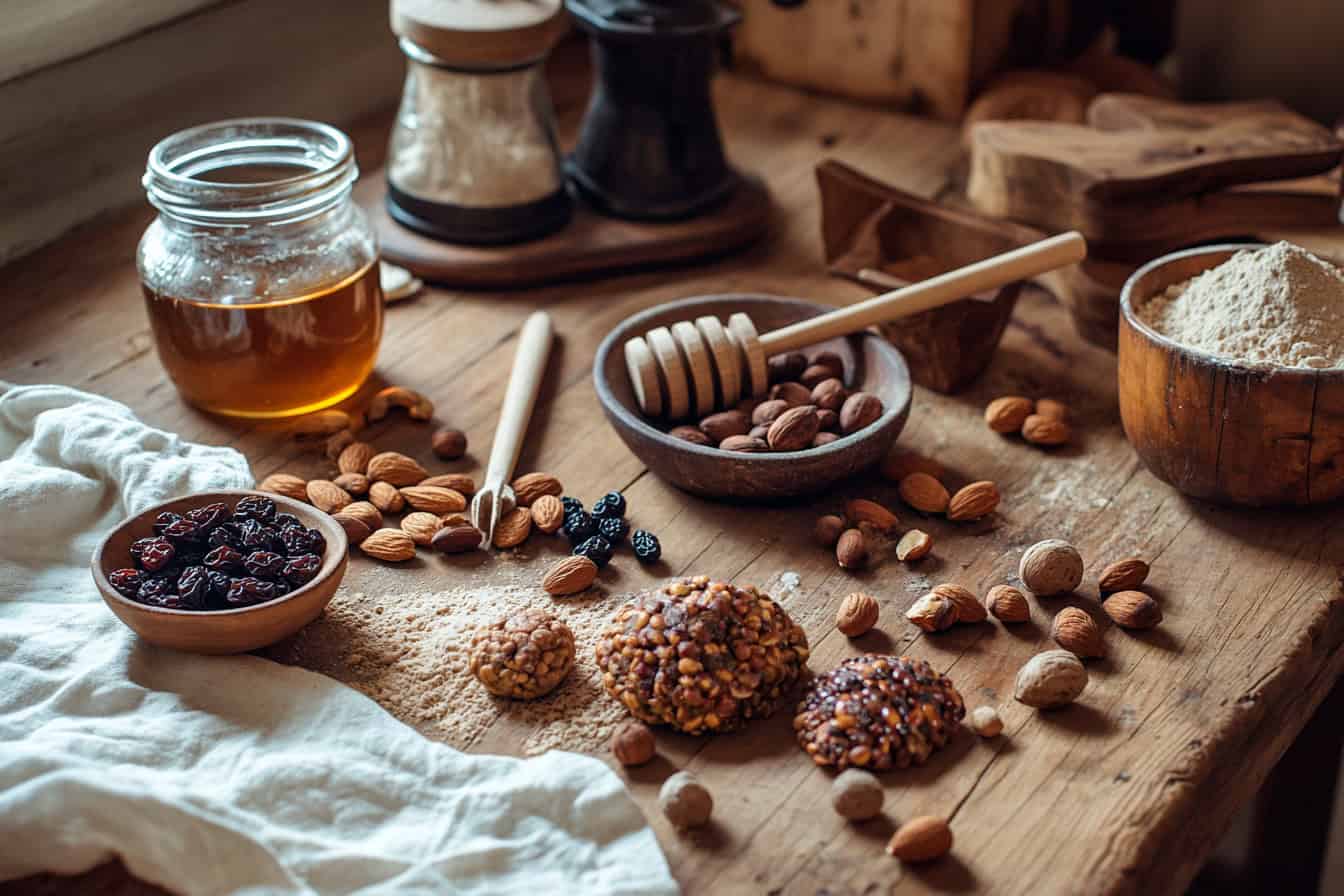
A typical sweet of the Prenestini Mountains, Panpepato, whose name refers to the conspicuous use of pepper with which it was spiced, has very ancient origins. The story goes that already in the times of the Colonna princes first and then the Barberini, the subjects brought this sweet preparation made of flour, honey, candied fruit, sultanas and dried fruit (walnuts, hazelnuts, almonds and pine nuts) as a gift to the lords of Palestrina. In the years that followed, it became a tradition to make this cake throughout the Prenestina area, especially at Christmas time when it was customary for the eldest diner to slice the cake while the youngest was in charge of serving it to the guests, always saving a few slices for the beggars who knocked on the door. The expression 'Si lassato lo muzzico dello palestrinese!' (literally 'You have left the morsel of the inhabitant of Palestrina!') is still used in common parlance to indicate the remains of food left on the plate, in memory of a time and a history long gone. Panpepato is still made today by local bakeries and a few families who preserve the traditional recipe. This involves mixing the raw materials (dried fruit, sultanas, candied fruit, cocoa or chocolate, pepper) with honey melted in a bain-marie, then forming round loaves to be solidified on a covered shelf until the following day. In the next step, the traditional shape of zuccotti with a diameter of 10-20 cm and a height of 5-8 cm should be obtained, to be baked in the oven for about an hour.
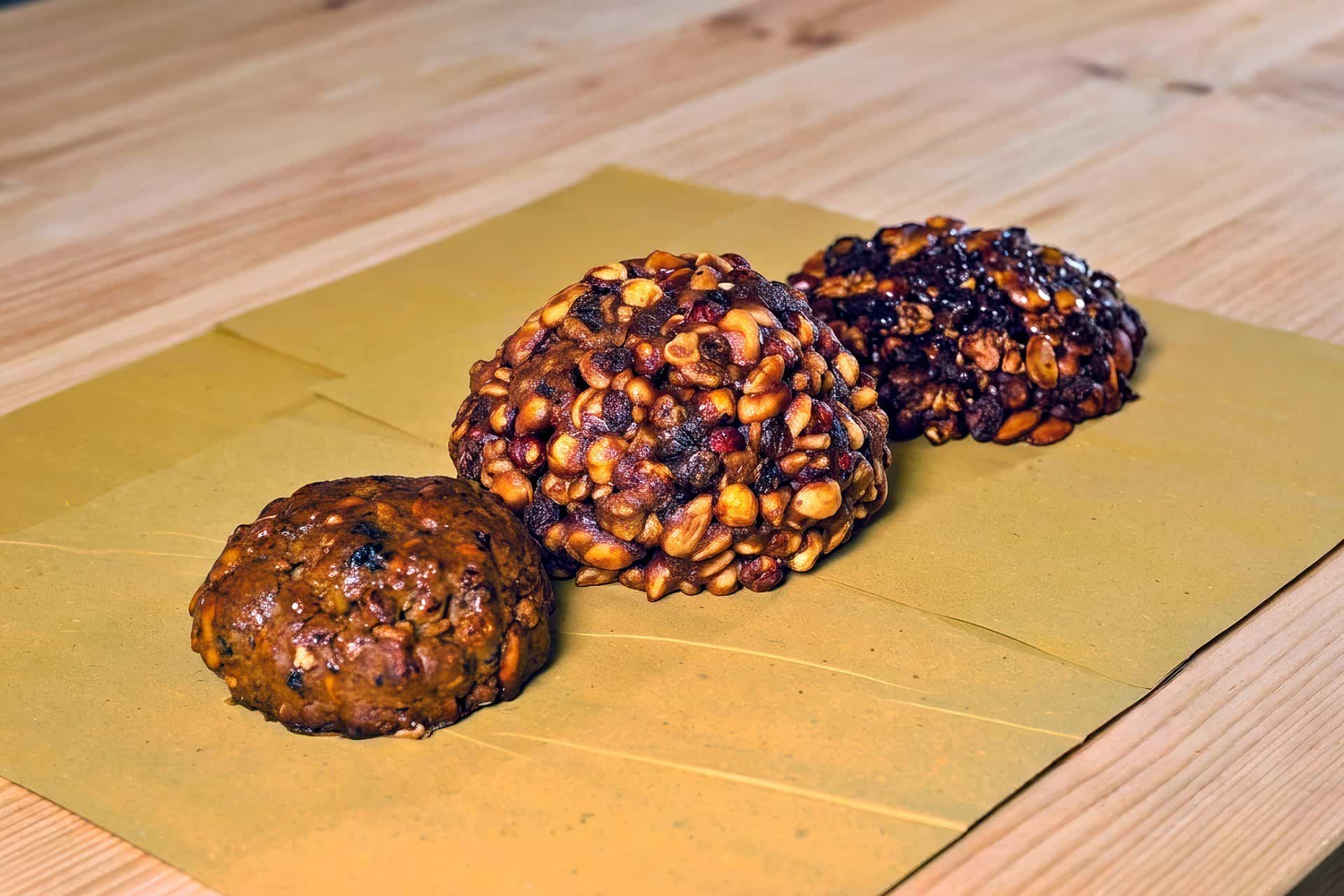
The product
The Panpepato Prenestino, characterised by its zuccotto shape, has a brown colour and an irregular surface due to the dried fruit of which it is made. The high olfactory intensity is characterised by pronounced notes of dried fruit (almonds, hazelnuts, walnuts and pine nuts), honey, cocoa and sultanas, combined with light toasted hints. The taste is harmoniously sweet. Good crunchiness and aromatic persistence.

THE TEMPLE OF PRIMORDIAL FORTUNE IN PALESTRINA
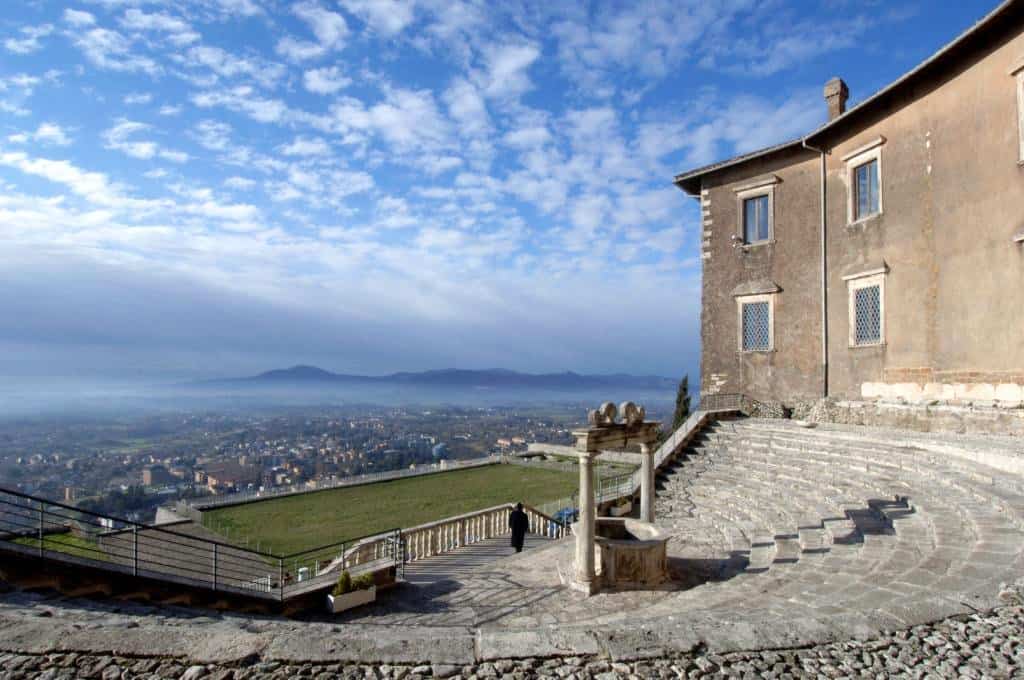
By a strange twist of fate, the bombing raids that struck Palestrina during the Second World War restored the Sanctuary of Fortuna Primigenia to the town. Largely buried beneath the buildings that had been erected over it over the centuries, this complex is now one of the most fascinating sanctuaries left to us from the Republican era of ancient Rome and provides a breathtaking backdrop that leaves visitors to Palestrina – the ancient Praeneste – breathless.
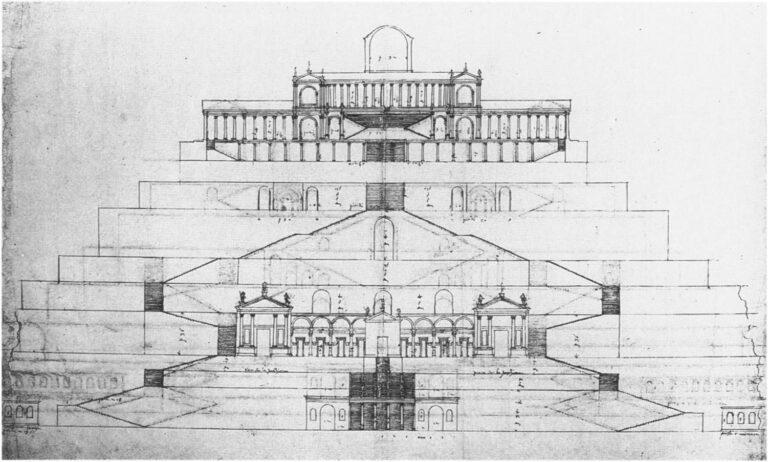
The sanctuary, dedicated to the goddess Fortuna, must have been one of the most revered places of worship for the Italic peoples: they would flock there from afar to consult the ‘sortes’ (wooden tablets from which omens for the future were drawn), which were extracted by a child, as Cicero recounts in a famous passage from *De Divinitate*. The sacred complex follows the architectural style of Hellenistic sanctuaries: it stretched along the slopes of Monte Ginestro – now occupied by the city – featuring a system of artificial terraces, connected by ramps and staircases perfectly aligned with the upper temple, onto which porticoes, nymphaea and colonnades opened. Oracle worship took place on the fourth level, whilst the summit was occupied by a circular temple where the Palazzo Colonna Barberini now stands, home to the National Archaeological Museum. Among its many artefacts, the Museum houses the marvellous mosaic depicting the Flood of the Nile, an Alexandrian work from the 2nd century BC, and the extraordinary sculptural group of the Capitoline Triad.