24. Broccolo Capoccione di Albano
History
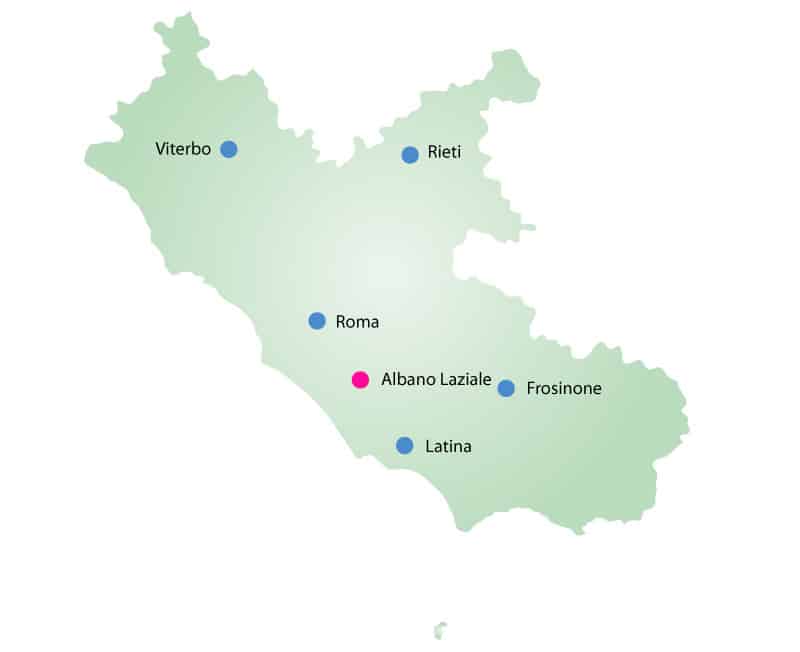
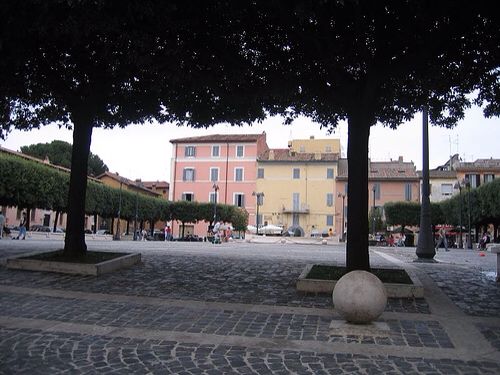
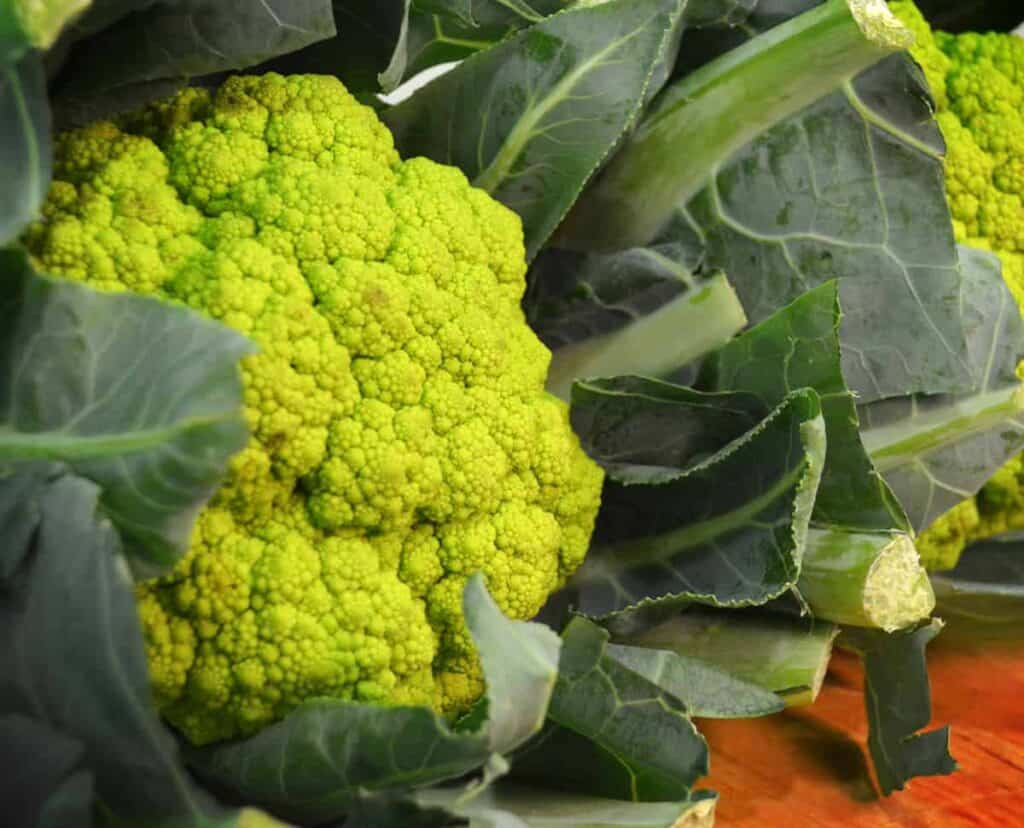
Broccolo capoccione is a variant of Romanesco broccoli, referring to the Brassica oleracea var. Italica species, grown exclusively in the municipality of Albano Laziale, a pretty town in the Castelli Romani area where it is known by the name of Capoccione because of its larger inflorescences. The historicity of the cultivation of this vegetable in Albano's vegetable gardens is attested by the nickname by which the inhabitants of Albano were nicknamed in the past, the broccolari, known for their production and sale at Roman markets. The plant adapts to all types of soil, even sandy soil, as long as it is well drained and enriched with organic substance. It is sown about 35 days before transplanting, in polystyrene alveoli, with a temperature of about 25oC for optimal development. It is very resistant to the coldest temperatures but the best time for sowing is summer. Through irrigation, especially in summer, and fertilisation, an upright plant with ribbed leaves and a height of about 20-40 cm is obtained. Harvesting, which is done by hand and using a scalar method, is done from mid-October onwards, depending on the variety. The vegetable is characterised by a rounded, compact inflorescence, an intense bright green colour and green leaves. In addition to its therapeutic properties, this broccoli is very versatile in the kitchen. It can be eaten boiled, sautéed or raw with oil, salt and lemon. It is the main ingredient in 'broccoli attufati', a typical local recipe, but also in pasta with broccoli in broth, a typical Roman dish.
The product
Broccolo Capoccione has a light green colour with high intensity. Its medium intensity aroma is characterised by marked vegetable notes. The taste is harmoniously sweet with a delicate salty and bitter note. Medium aromatic persistence.

THE BRAMANTE NYMPHAEUM: THE PRENESTINE STONEHENGE
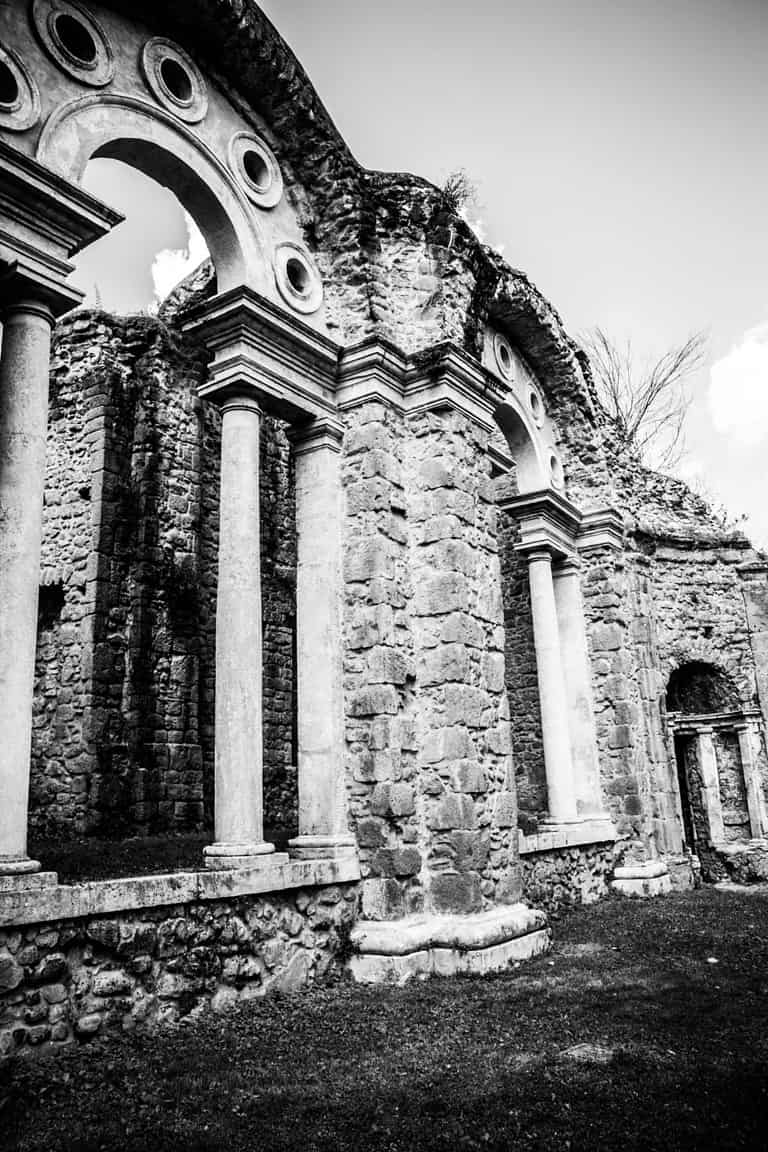
Just outside the historical centre of Genazzano, a short distance from Porta Romana, is an imposing Renaissance complex dating back to the 16th century, called Ninfeo del Bramante (Bramante's Nymphaeum), named after the famous architect and painter Donato Bramante (1444-1514), to whom it is attributed.
The complex is an unusual and magical place, preserving the remains of columns, profiles of load-bearing construction parts and loggias, characterised by typically Bramante-esque stylistic elements such as the serlianas with the five oculi in the archivolts or the shell decorations of the niches, in tuff and travertine. The Nymphaeum - surrounded by greenery and with a stream that feeds the circular basin in the centre of the structure - excellently combines reminiscences of Roman classicism with the new aspirations of Renaissance classicism. With a perfect syncretism between man and nature, the Nymphaeum perfectly testifies to the sumptuous lifestyle of the Renaissance aristocracy, who most probably enjoyed this complex as a place of meeting and recreation. Today uncovered - and perhaps for this reason even more fascinating - it must have been possible to stroll, meet, discuss, but also to attend theatrical performances and take part in public festivities in the architectural complex. The addition of a thermal room, with an octagonal hall and circular pool, made it similar to the Roman baths later on.