
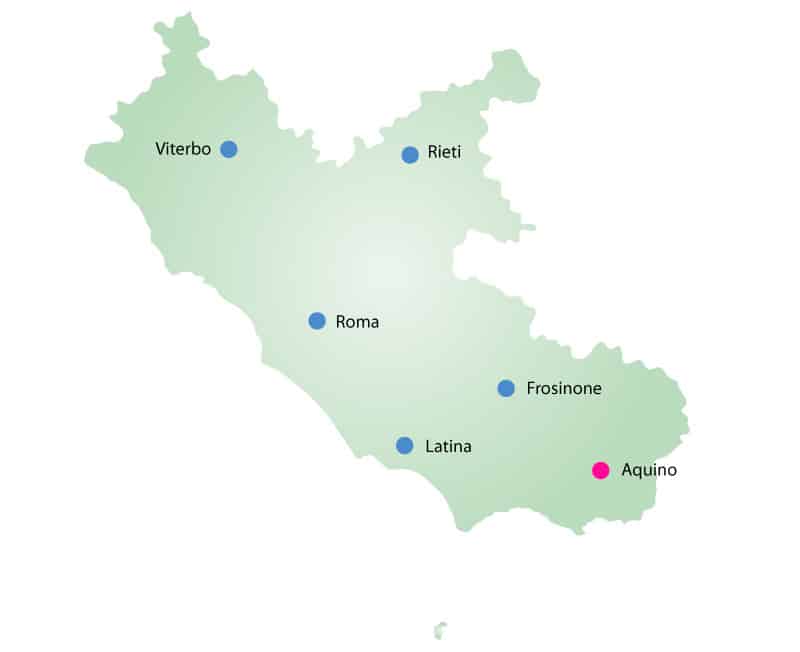
33. Favetta of Aquino
History
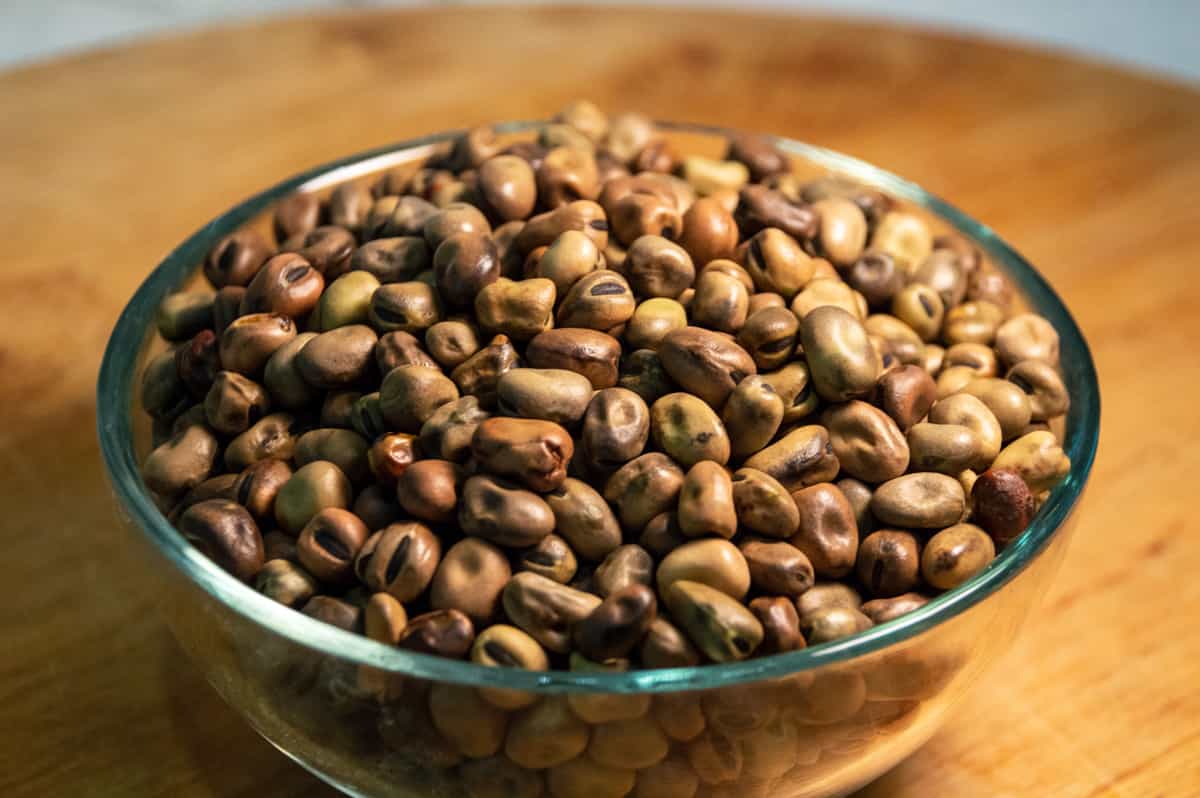
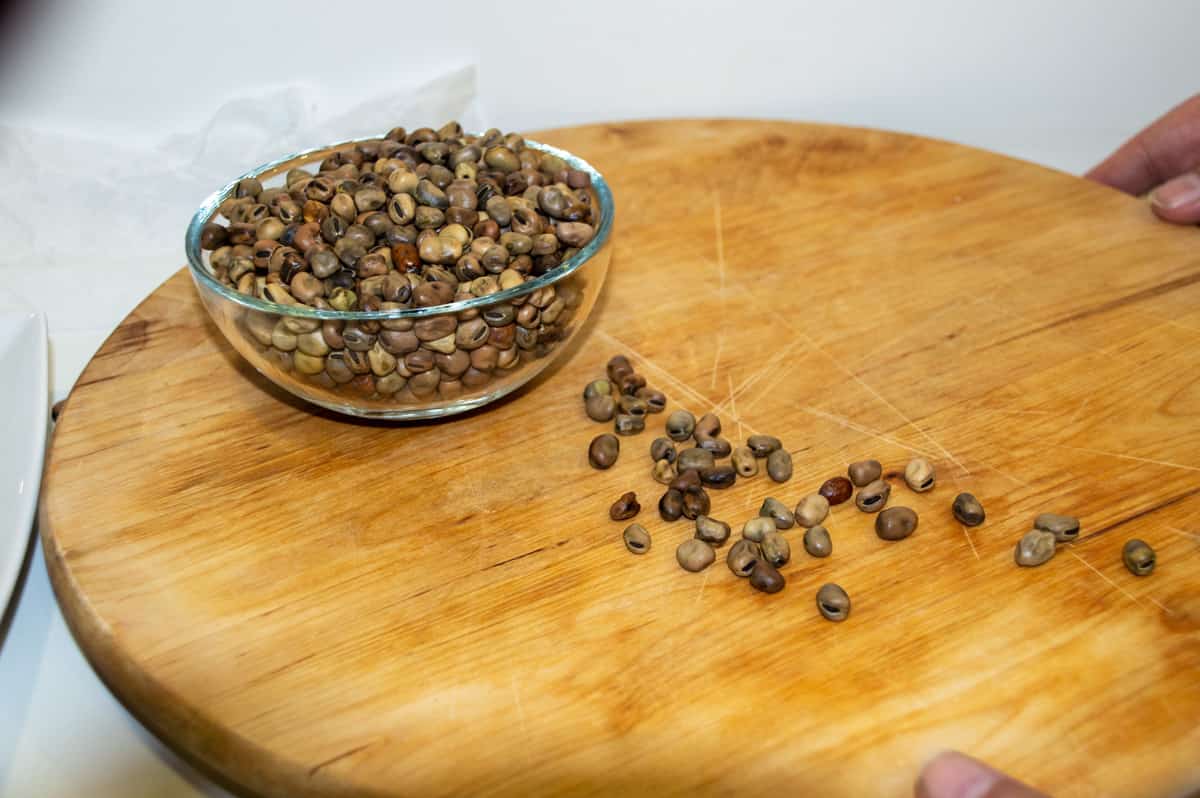
The favetta di Aquino is a local variety of dwarf broad bean, referable to the Faba L. species, cultivated today in very small quantities, to the point of risking extinction, but with a long tradition in the village. Its history, dating back more than two hundred years, is linked to a wealthy family of Aquino, the Pelagalli, who used to prepare a broad bean soup in their palace in Via Giovenale on the night between 1 and 2 November, to be offered the following morning to all the inhabitants of Aquino present in Piazza San Tommaso. This village ritual was carried out with great care by the family, who, starting in the previous summer, set aside about two tomoli of broad beans (corresponding to 80-90 kg). A few days before the second of November, the broad beans were selected, washed and soaked in special containers. The night before the feast, the men would feed the fire in the braziers set up in the palace courtyard and the women would cook the soup. The tradition of the 'Fave dei Morti' was recently revived in Aquino by a cultural association to bring back the ancient distribution and tasting of this local speciality.
The beans are sown on the sandstone and travertine soils of Aquino, between November and February, by tracing furrows then covered with a thin layer of soil. The plant, which reaches a height of around 165-170 cm, is left to dry naturally. The pods are then harvested by hand and shelled. Today, the legume is traditionally used in cooking and for animal feed; the use of the broad bean as hair dye or to dye textiles is currently being investigated.
The product
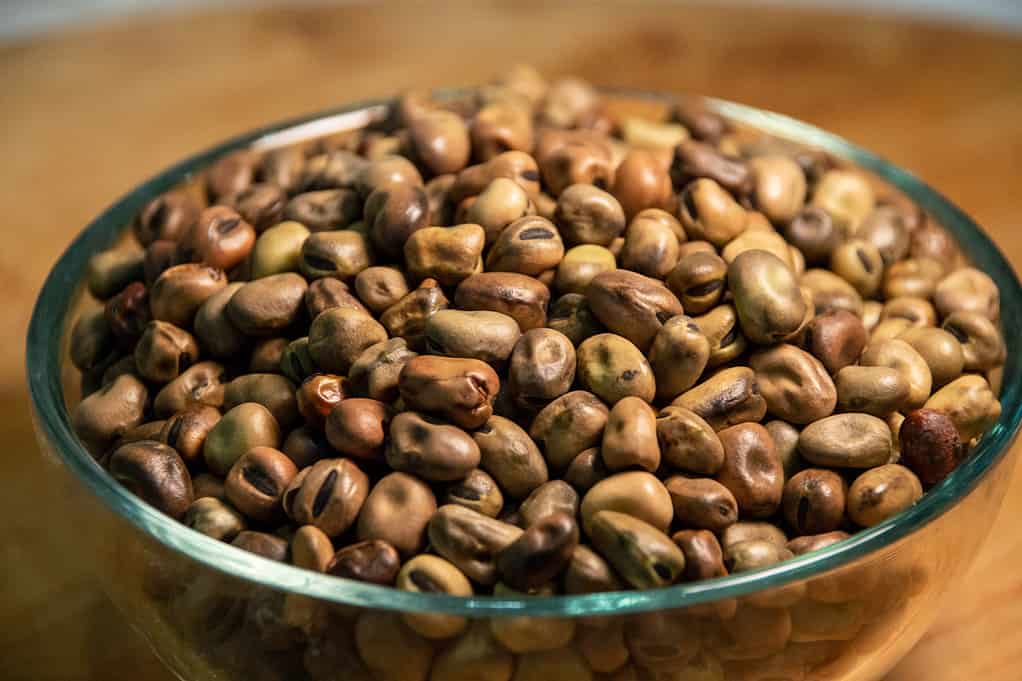
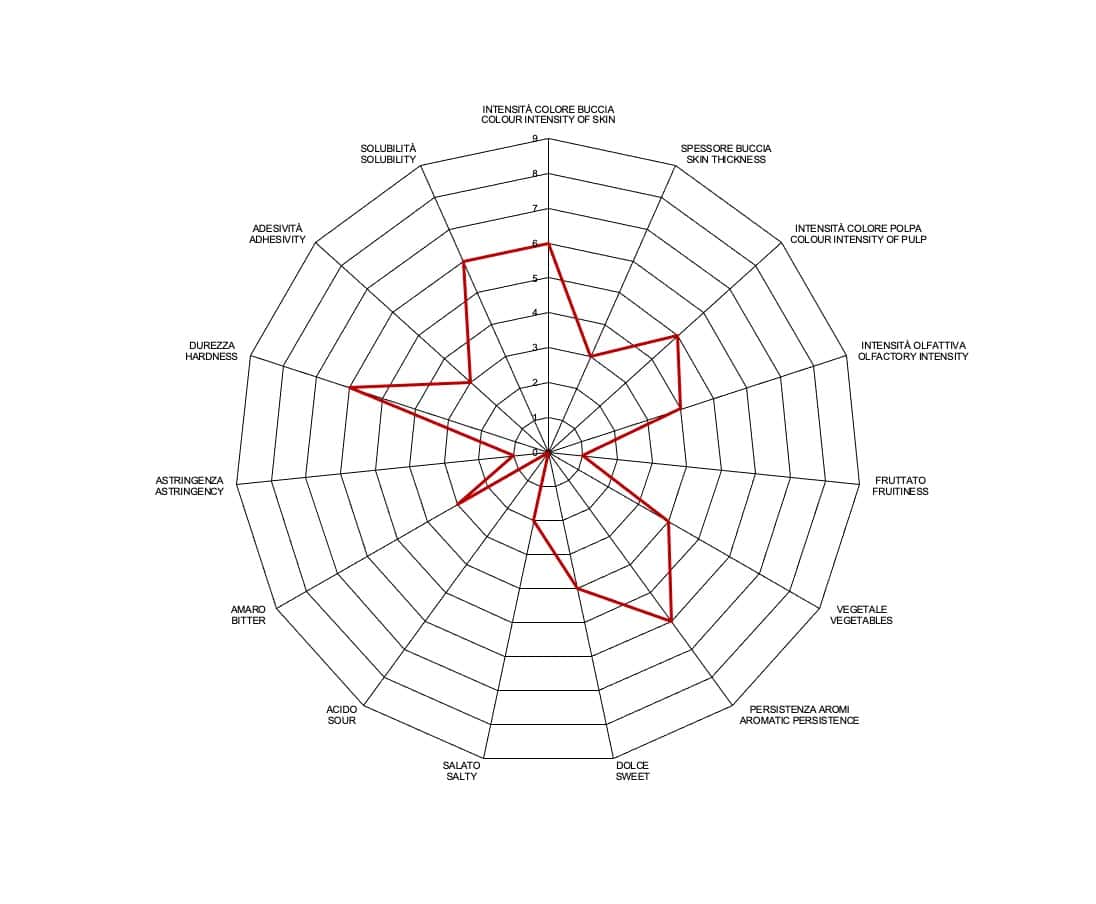
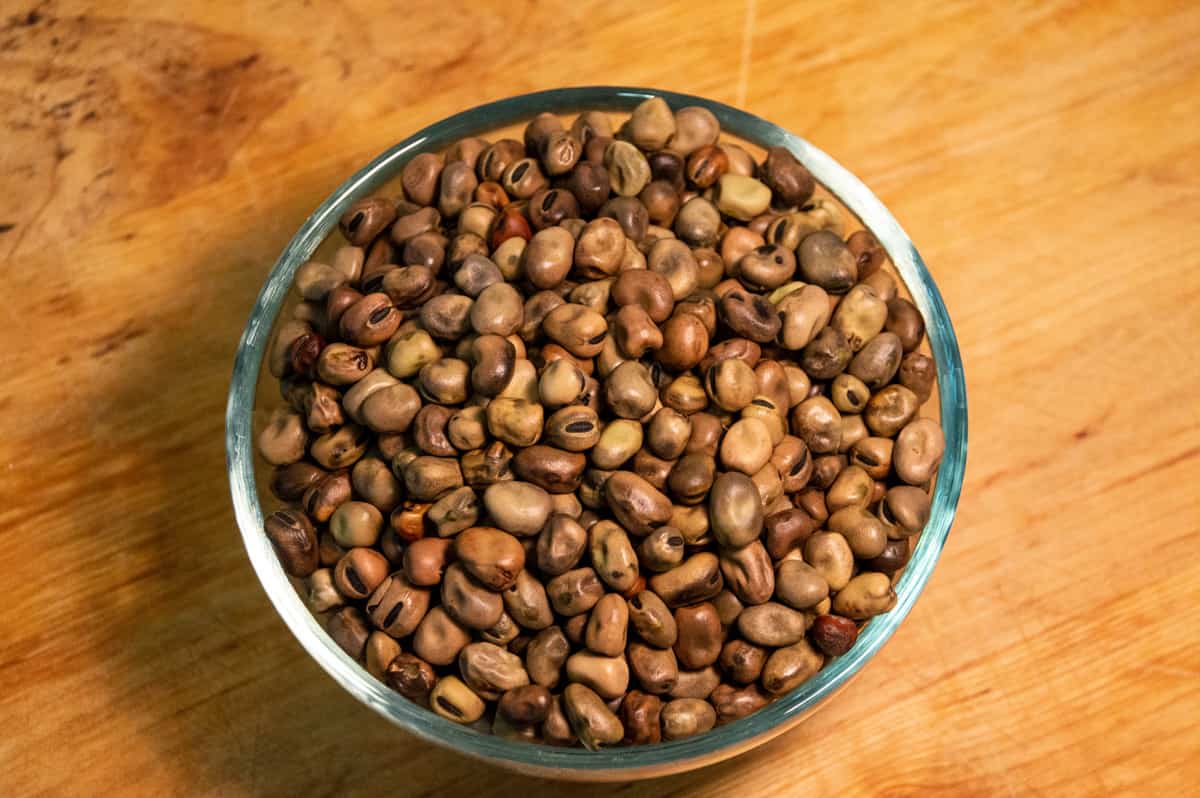
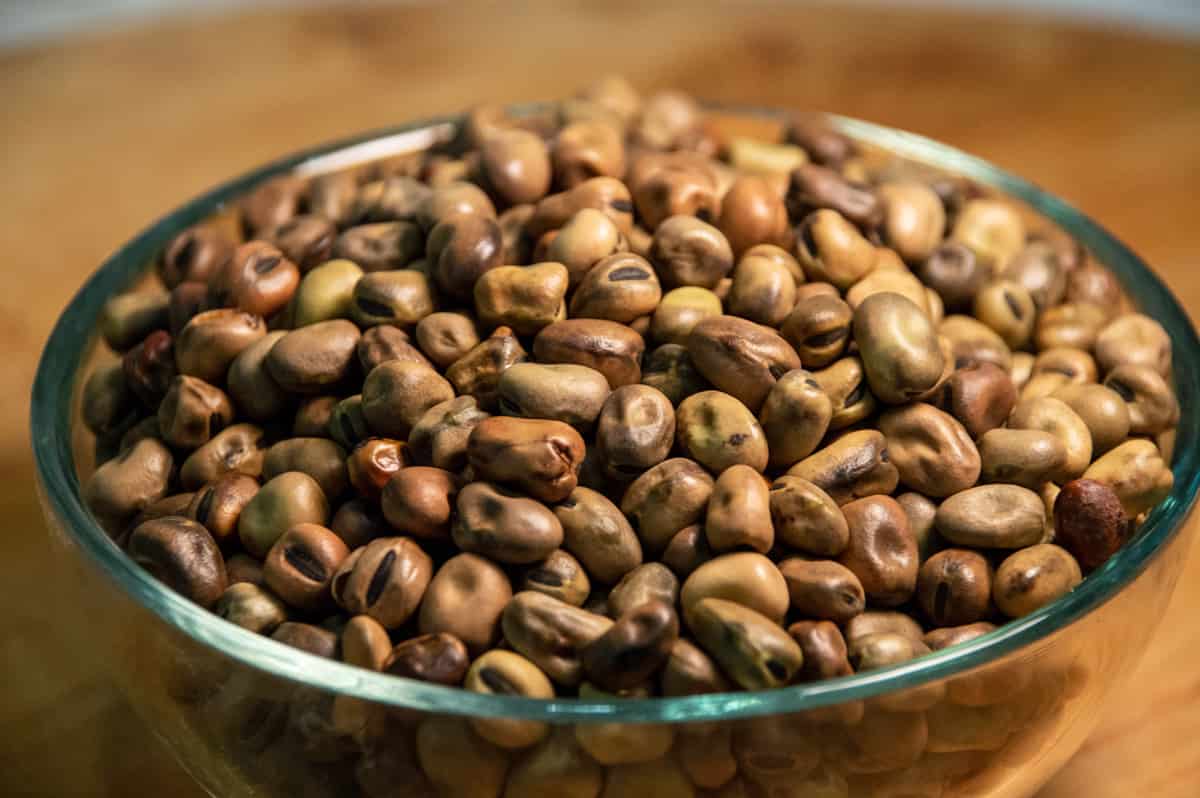
Favetta di Aquino has a more or less intense brown colour and is characterised by high integrity after cooking. Its medium olfactory intensity is characterised by vegetal notes. The taste is harmoniously sweet, salty and bitter. Good consistency and solubility
EVIDENCE OF ANCIENT AQUINUM
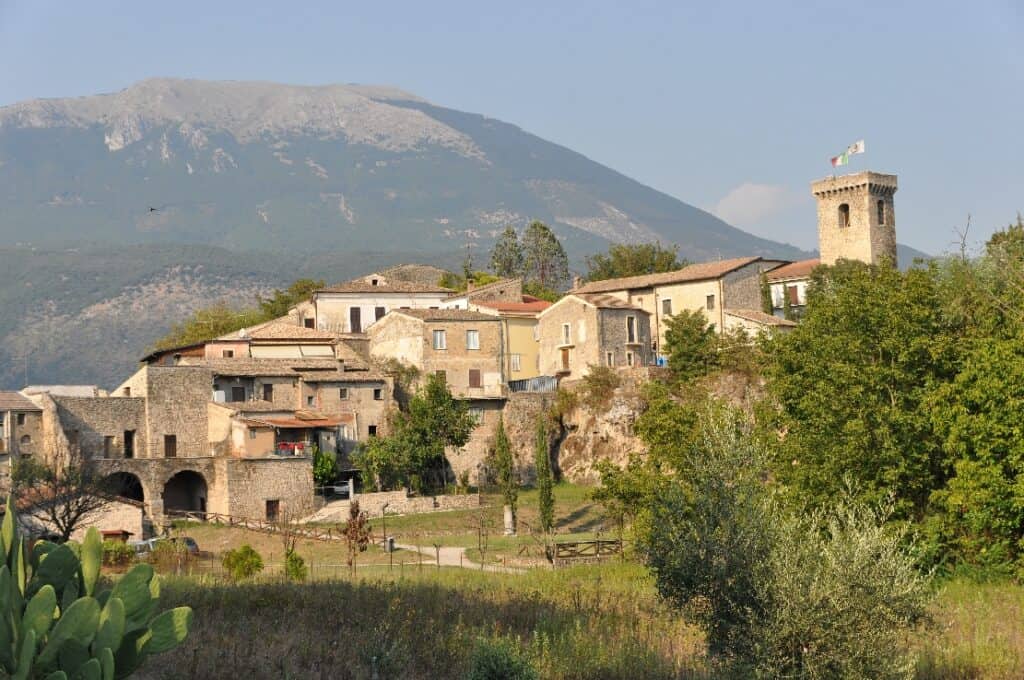
In the lower Liri River Valley lies Aquino, the birthplace of the satirical poet Juvenal and St Thomas. Of the ancient Aquinum, first a Volscian city, then an important Roman colony, majestic testimonies are preserved both in the archaeological centre, some 20 minutes away from the present town, and in the built-up area.
The remains of the ancient walls made of local travertine, which must once have been imposing, are only partly preserved, together with two of the four city gates: Porta Capuana, perfectly intact, and Porta Romana, of which only a few regular boulders remain piled up in bulk. Running through the Roman city as a decumanum was the consular Via Latina, which must have led all the way to Capua and of which a long paved section is still preserved and can still be travelled.
In the centre of the city, the remains of what must have been the city temple, the Capitolium, dedicated most probably to the Capitoline Triad, have been brought to light. Still buried but easily visible are the remains of the Roman theatre from the 1st century BC and the amphitheatre from the Augustan age. Also imposing is the honorary arch of Marcantonio, which precedes the entrance to the city and, built around 40 BC, is certainly one of the oldest arches in Italy.
Destroyed during the barbarian invasions, the Roman town was exploited as a quarry for building materials for centuries, as shown, for example, by the pillars of the portico of the Madonna della Libera church and the large fragments of travertine embedded in the Conti Castle.
